REVIEW · CABO SAN LUCAS
Whale and Dive Combo Tour in Los Cabos
Book on Viator →Operated by Cabo Private Guide · Bookable on Viator
Humpbacks and reef time, all before brunch. This Cabo San Lucas combo tour strings together 1.5 hours of whale spotting and then takes you to nearby underwater spots for close-up marine life, all in a tight, small-group format.
I like how small the group is (max 8 travelers) and how you get an instructor-to-student ratio of about 1:4, which makes the water time feel controlled instead of chaotic. I also like the pacing: after whale watching you get a surface interval to look again, then a second location for better odds. The main drawback is the early start (6:30 a.m.) and the fact that the plan depends on good weather.
In This Review
- Key Highlights at a Glance
- Cabo San Lucas at 6:30 a.m.: Getting There Without Stress
- El Arco and a Morning Brunch on the Way Out
- 1.5 Hours Whale Watching: How the Boat Hunt Works
- From Whales to Reef: Finding a Water Spot Nearby
- Two Water Sessions in One Morning: Better Chances, Not Just More Time
- The Scuba-Friendly Setup: Comfort, Coaching, and Refresher Help
- Wildlife You Can Plan Around: More Than Just Whales
- The Human Side: Guides Who Make You Feel Safe
- Price and Value: Is $260 Worth It?
- Who Should Book This Combo Tour (and Who Might Skip It)
- Booking Call: Should You Do It?
- FAQ
- FAQ
- What time does the tour start in Cabo?
- Where do I meet for the whale and reef combo tour?
- Is the tour offered in English?
- How many people are in the group?
- Do I need scuba experience to go?
- What happens if weather is bad?
Key Highlights at a Glance
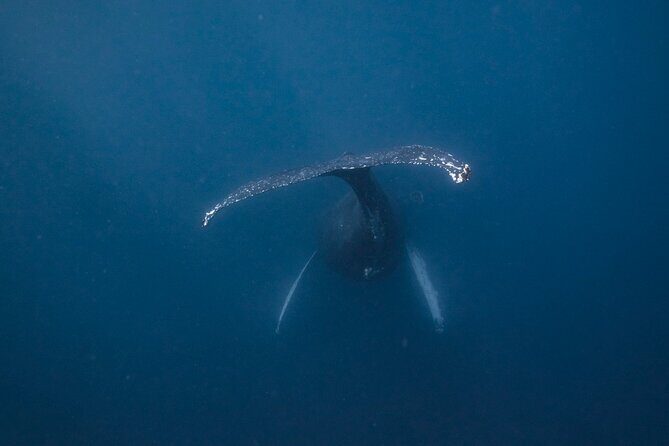
- 1.5 hours of humpback whale breaching time with expert spotting from the boat
- Two separate reef stops to increase your chances of seeing different animals
- Instructor-to-student ratio of 1:4, helpful if you feel nervous in open water
- A second look for whales during a surface interval after the first water session
- Free refresher for anyone who hasn’t done scuba in the last year
- Max group size of 8 travelers, so the guide can manage people and conditions
Cabo San Lucas at 6:30 a.m.: Getting There Without Stress
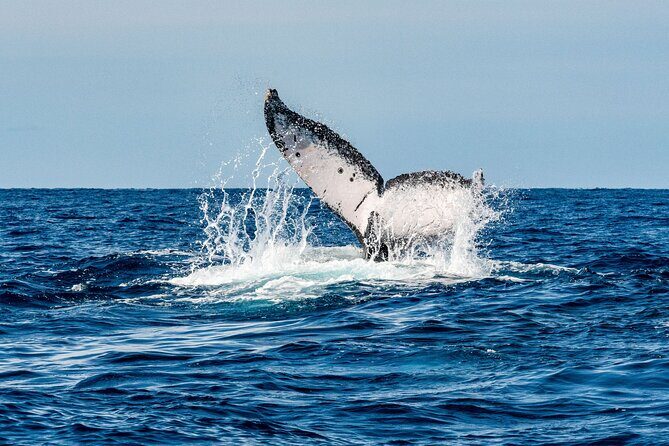
This outing starts early, at 6:30 a.m., and that’s not an accident. Humpbacks can be active in the morning hours, and the first part of your day is all about getting out onto the water while the day is still fresh.
You’ll meet at Cabo Private Guide Plaza Nautica, right on Blvd. Paseo de la Marina 1 in Centro, Marina, and the tour ends back at the same meeting point. It’s a straightforward start-and-finish setup, which matters on vacations when you don’t want your day eaten by logistics.
The tour also lists near public transportation, plus mobile tickets. If you like to travel light and keep things simple, this is the kind of operation that doesn’t make you jump through hoops once you’re in Cabo.
One more note: the tour is described as requiring moderate physical fitness. That doesn’t mean it’s extreme, but plan for being on and off a boat and getting geared up at a relaxed but real pace.
You can also read our reviews of more whale watching tours in Cabo San Lucas
El Arco and a Morning Brunch on the Way Out
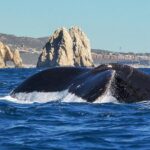
Before you even get into whale-spotting mode, your day begins with a stop at El Arco de Cabo San Lucas. It’s the famous rock arch everyone recognizes, and seeing it early in the day helps it feel more dramatic. Less boat traffic in the morning can also mean better viewing time while you’re on your way out.
This stop comes with more than just scenery. The tour includes a small brunch and a tour around the Arch and nearby bay area. For me, that’s a smart pairing: you get fuel before the ocean portion ramps up. Also, breakfast on the water (even if it’s small) takes some of the edge off an early wake-up.
Practical tip: if you’re the type who needs coffee fast, eat quickly and don’t wait until you’re already on a choppy schedule. The point here is to feel steady for the whale time that follows.
1.5 Hours Whale Watching: How the Boat Hunt Works
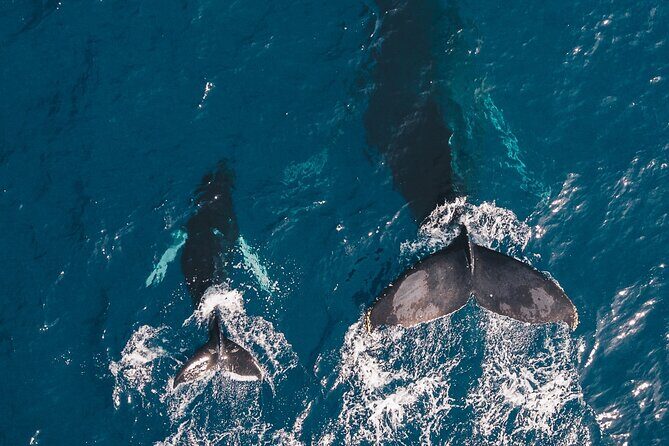
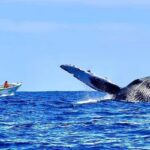
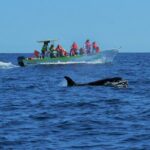
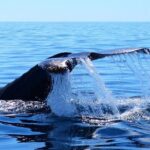
The centerpiece of this tour is about 1.5 hours of humpback whale spotting. The crew is the key factor here. You’re not just cruising and hoping. You’re out with an expert team that’s actively scanning for breaching activity.
This is the kind of wildlife moment that can flip from quiet to unforgettable in seconds. When humpbacks breach, it’s not subtle. You’ll be watching a real behavior cycle, not just a distant blow.
From the information provided, you can also aim for more than breaching. The plan mentions that underwater you might even hear the whales singing. That’s one of those details that changes the experience from visual to sensory. You’re paying attention with more than your eyes.
What you might see can include:
- humpbacks breaching close enough to feel the excitement in the group
- a mother and baby sighting (not guaranteed, but it’s been reported)
- male whales showing aggressive behavior toward a female (also reported)
And yes, it’s possible that you’ll get long, calm sightings rather than constant movement. That’s where the small-group setup can help. When there aren’t too many people, the boat can slow down and position better.
From Whales to Reef: Finding a Water Spot Nearby
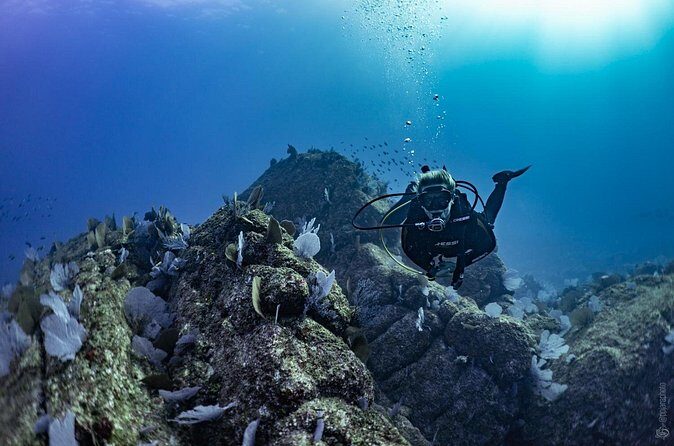
After whale watching, your guide will pick a reef close to where you saw whales. That connection matters. It increases the odds that you’re not just moving from one random activity to another. You’re building on the same animal area, which is a big part of why combo tours can feel more meaningful than separate tours on different days.
The plan also hints that whales might even pass nearby while you’re in the water. You might not get that every time, but the approach is clear: stay in the zone rather than travel far away and hope.
Another detail I appreciate: the guide chooses a reef where the conditions match your experience level and where you can try to escape crowds. In Cabo, crowds are real, especially around the popular viewing spots. Steering toward quieter conditions is a quality-of-day upgrade.
You’ll also be told that the whales may be heard underwater. That means your guide’s job isn’t only navigation. They’re managing how you look, where you go, and what you pay attention to once you’re suited up.
Two Water Sessions in One Morning: Better Chances, Not Just More Time
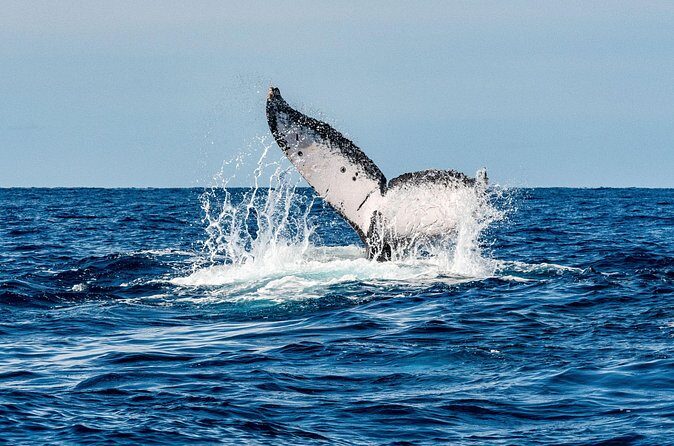
This tour keeps the day efficient but not repetitive. You get:
1) First water session near the reef chosen after whale time
2) A surface interval where you can look again for whales for about half an hour
3) A second water session at a different location to broaden the variety
That surface interval is a big deal. It means you’re not locked into the water for the entire experience with no chance to re-scan the bay for whale action. You get a rhythm shift: scan from the surface, go underwater, then scan again.
Then you get the benefit of a second location. When conditions or animal presence are better at one part of the corridor than another, going to a different site improves your odds. Even if whale activity slows down, reef life can still be strong.
The schedule also lands at roughly 5.5 hours total, which is long enough to feel like you did a real excursion, but not so long that your whole day disappears.






The Scuba-Friendly Setup: Comfort, Coaching, and Refresher Help
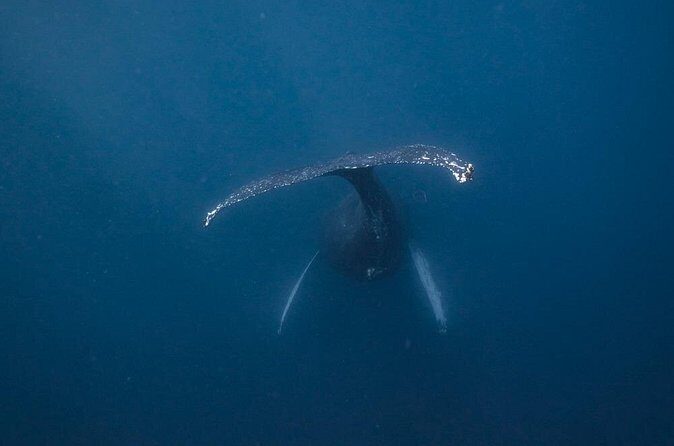
This trip is designed to handle different comfort levels. The group size is capped at 8 travelers, and the tour includes an instructor-to-student ratio of about 1:4. That’s the sort of number that usually means you get individual attention rather than a one-size-fits-all briefing.
That ratio shows up again in the way the tour is described for people who might be nervous. One of the reports specifically calls out that a guide helped calm someone who felt super nervous at the start. That’s not something you can assume on every water tour, so it’s a real quality signal.
There’s also a free refresher for anyone who hasn’t done scuba in the last year. If you’re returning to the water and feel slightly rusty on gear checks, buoyancy basics, or hand signals, that refresher can make the difference between stressed and comfortable.
And because the plan focuses on conditions that match your experience level, you’re less likely to get thrown into a situation that doesn’t fit your skill set. You still need to listen and follow instructions, of course, but the structure supports the learning curve.
Wildlife You Can Plan Around: More Than Just Whales
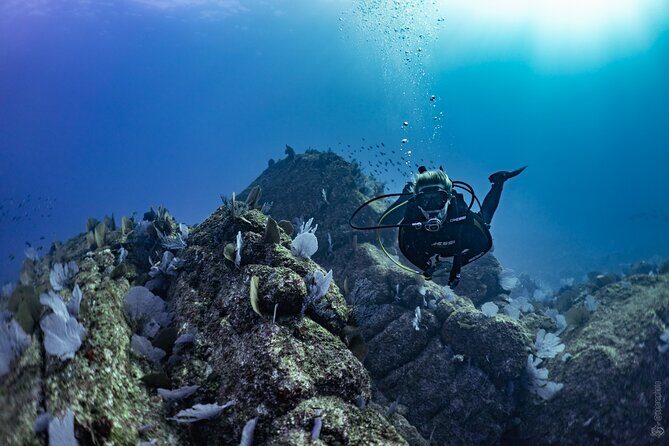
Whales are the headline, but this is not a one-animal tour. The underwater part is set up to deliver lots of reef life.
The tour’s expected wildlife list includes:
- pufferfish
- rays
- eels
- octopus
- reef shark
- and other reef creatures you might spot depending on conditions
That list is useful because it tells you the goal isn’t only to float and stare. It’s to put you in a reef zone where you’re likely to see different types of animals—fish, creatures that hide and peek, and bigger movers that cruise along the structure.
There’s also a surface and shore-side angle. One report includes sea lions hanging out on a rock during snorkeling time. That’s the kind of extra bonus you can’t schedule, but you can earn by choosing a tour that stays active and keeps scanning while you’re on the water.
If you’re hoping for photos: aim to watch first, then shoot. Reef life is busy, but animals like octopus and eels reward patience. Your guide’s role is helping you spot things you might miss on your own.
The Human Side: Guides Who Make You Feel Safe
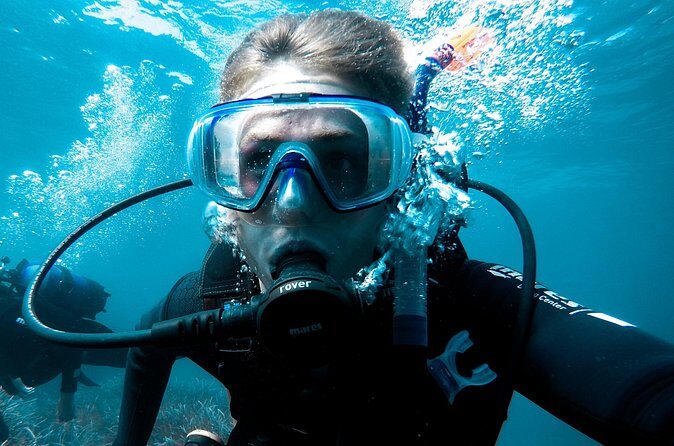
One of the most praised elements in the provided feedback is the way guides manage the experience emotionally, not just technically. Names that came up include Morgan, Diego, and Cesar, as well as Xo and Javi.
The practical takeaway for you: this tour seems to attract instructors who actively support people during the first moments in open water. That matters most when you’re nervous, when you haven’t used your gear in a while, or when you’re sharing the water with a small group and want to feel seen.
It’s also a reminder that whale watching is not only a science-and-scope activity. You’re sharing a boat with real people, and the vibe affects whether you stay calm enough to enjoy the moment when a whale breaches nearby.
Price and Value: Is $260 Worth It?
At $260 per person, this isn’t a casual add-on. But it is a lot packed into a single morning: whale spotting, a brunch and Arch/bay viewing, plus two separate reef water sessions, with surface interval time built in.
Here’s how I’d think about value:
- Small group (max 8) plus an instructor-to-student ratio of 1:4 usually drives cost. You’re paying for attention, not just access.
- Two reef stops can mean more variety and more chances for meaningful underwater encounters.
- The operation is built around morning whale activity, which often requires staffing, boat readiness, and weather timing.
So if your priority is a bucket-list whale morning that doesn’t turn into a rushed checklist, this price can make sense. If you’re trying to do only snorkeling on a tight budget, you might find cheaper single-activity trips—but you’d be giving up the second reef stop and the whale-focused schedule.
Who Should Book This Combo Tour (and Who Might Skip It)
This is a good match if you:
- want a serious whale-focused morning rather than a quick drive-by
- are comfortable doing water activities and you like a clear plan with a guide
- want coaching support (especially with the 1:4 ratio and refresher option)
- prefer fewer people on the boat and a calmer pace in the water
It may not be ideal if you:
- hate early wake-ups and morning travel days
- can’t handle moderate physical activity around boats and gear
- are sensitive to weather changes, since the tour depends on good conditions
The nice part is that it’s designed to fit a range of experience levels with the refresher and the way the guide picks conditions.
Booking Call: Should You Do It?
If humpback whales are on your Cabo wish list, I’d seriously consider booking this. The strongest reason is the structure: you get dedicated whale time, you stay near the whale area afterward, and you don’t waste the day with only one underwater spot.
The second reason is the human setup. A small group and the 1:4 instructor-to-student ratio suggests you’ll be managed closely, especially if you’re nervous or rusty. Add in the chance to see more than just whales—fish, rays, octopus, and even sea lions at the surface—and you get a morning that feels full without feeling frantic.
FAQ
FAQ
What time does the tour start in Cabo?
The tour starts at 6:30 a.m. and lasts about 5 hours 30 minutes (approximately).
Where do I meet for the whale and reef combo tour?
You meet at Cabo Private Guide, Plaza Nautica, Blvd. Paseo de la Marina 1, Centro, Marina, 23450 Cabo San Lucas, B.C.S., Mexico, and the tour ends back at the same meeting point.
Is the tour offered in English?
Yes, the tour is offered in English.
How many people are in the group?
This activity has a maximum of 8 travelers, which helps keep the experience more controlled and personal.
Do I need scuba experience to go?
The tour includes a free refresher for anyone who hasn’t done scuba in the last year, and it’s described as matching conditions to your experience level.
What happens if weather is bad?
This experience requires good weather. If it’s canceled due to poor weather, you’ll be offered a different date or a full refund.
If you want, tell me your scuba level (brand-new, returning after a break, or advanced) and whether you care more about whales or reef life—I’ll help you decide if this morning combo fits your priorities.