REVIEW · CABO SAN LUCAS
ZODIAC Whale Watch Tour | Cabo San Lucas | Biologist | FREE Pics
Book on Viator →Operated by Whale Watch Cabo · Bookable on Viator
There’s something special about whales at Cabo. I love the small-group zodiac setup (max 10) because it keeps the experience personal and less crowded, and I also love that you get free photos so you can actually enjoy the moment instead of filming the whole time. One thing to plan around: there is no restroom on board, so come prepared.
This tour is built around education and respectful viewing. You’ll have a marine biologist onboard, often with real names showing up in recent sessions like Oscar, Josephine, Giselle, Dominique, and Vittoria, and you’ll usually move away from the busiest pockets when the whales show up.
If you’re chasing the classic Cabo humpback experience, this one has a 100% whale sighting guarantee, plus a free second trip in the peak season window (Dec 15 to Apr 15) if whales don’t show. There’s also a hydrophone to hear humpbacks sing when conditions allow.
In This Review
- Key points I’d book for
- Price and value: what $109 buys you on the water
- Meeting point and getting started without stress
- The 2.5-hour plan: El Arco, Lovers Beach, Pelican Rock, then whale hunting
- El Arco stop: the quick Cabo icon shot (and why timing matters)
- Playa de los Amantes and Pelican Rock: scenery plus real wildlife chances
- The whale search: small-boat maneuvering, respectful distance, and the hydrophone
- What species you’re actually likely to see around Cabo
- Free photos: how to use them well (and why they’re worth it)
- The guarantee and whale-watching reality: how to think about risk
- What to pack and what to skip
- Who this tour is best for
- Should you book this Cabo whale watch tour?
- FAQ
- What is the group size for this whale watch tour?
- Who leads the tour and what do I learn?
- Are photos included, and are they free?
- Is there a restroom or bottled water on board?
- Is a whale sighting guaranteed?
- What are the age and weight limits?
Key points I’d book for
- Max 10 people on a zodiac: you get more space and easier repositioning to follow whales.
- Marine biologist guide onboard: expect actual whale behavior talk, not just a slideshow.
- Hydrophone audio when conditions permit, so you can hear humpback calls and singing.
- 100% whale sighting guarantee with a free second tour from Dec 15 to Apr 15.
- Free photos taken during the trip, so you can keep your phone put away.
- Eco-focused boat rules with an Observe, Not Disturb approach and efforts to avoid other boats.
Price and value: what $109 buys you on the water
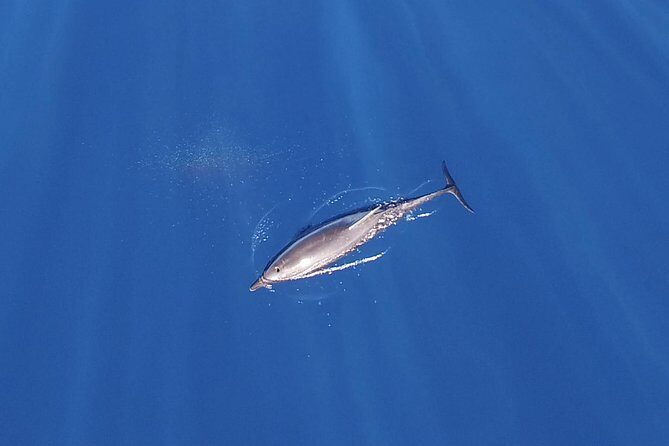
At $109 per person for about 2 hours 30 minutes, you’re paying for far more than a generic boat ride. The big value comes from three things you don’t always get together: a marine biologist onboard, a small-boat format that can move quickly when whales surface, and free photos that the crew captures for you during the trip.
On top of that, the tour includes a whale sighting guarantee. That matters because whale watching is never fully controllable—wind, swell, and whale movement shape what you see. Here, the operator backs up the promise with a repeat option in season (Dec 15 to Apr 15), which is a practical way to reduce the risk of a disappointing outing.
You’ll also notice what’s not included: bottled water, WiFi, and a restroom. That nudges you to pack like an ocean outing, not a cafe stop.
You can also read our reviews of more whale watching tours in Cabo San Lucas
Meeting point and getting started without stress
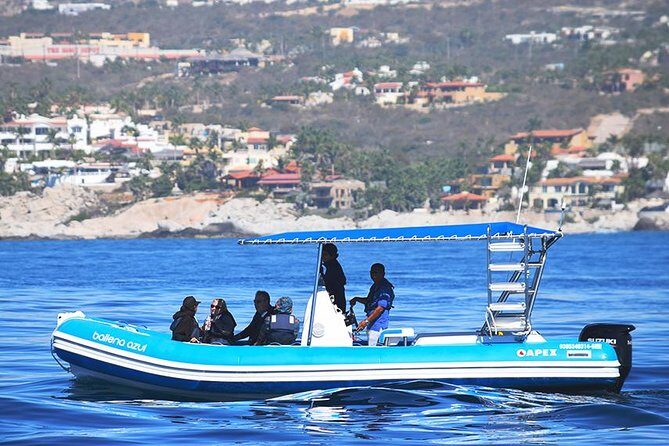
The tour meets at Whale Watch Cabo at Whale Watch CaboPlaza Bonita, Blvd. Paseo de la Marina 17, Centro, Marina, Cabo San Lucas, B.C.S., Mexico. It ends back at the same place, so you’re not dealing with a complicated drop-off.
This activity is near public transportation, but if you’re coming from a cruise port, plan extra walking time. One helpful detail from recent cruise-day experiences: it can be about a 20–25 minute walk from the port to the tour office area, plus time for tendering. If you like calm, not sprinting, give yourself a buffer.
You’ll use a mobile ticket, and the tour is offered in English. It’s also capped at 10 people max, with a minimum age of 8 and a weight limit of 300 lbs.
The 2.5-hour plan: El Arco, Lovers Beach, Pelican Rock, then whale hunting
This is a straightforward flow: you start with scenic passes inside the bay, then your captain and biologist search for whales once you’re out.
Most days follow this rhythm:
- You first cruise past El Arco de Cabo San Lucas.
- Then you head toward Playa de los Amantes (Lovers Beach).
- After that, you pass Pelican Rock.
- Once you’re out, the team looks for whales and stays in the right spot long enough for real viewing.
Two practical takeaways for you:
First, the early stops are about setting you up for great angles and photo moments. Second, the whale search portion is where the small-group zodiac approach earns its keep.
El Arco stop: the quick Cabo icon shot (and why timing matters)
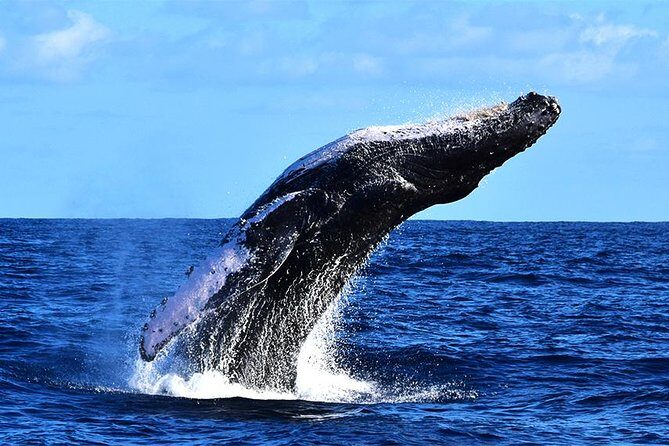
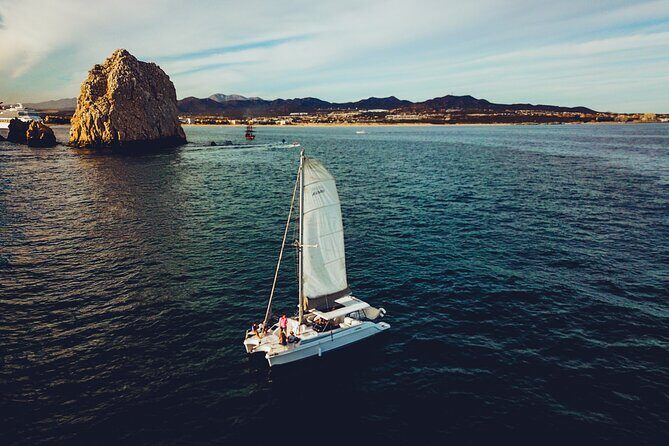
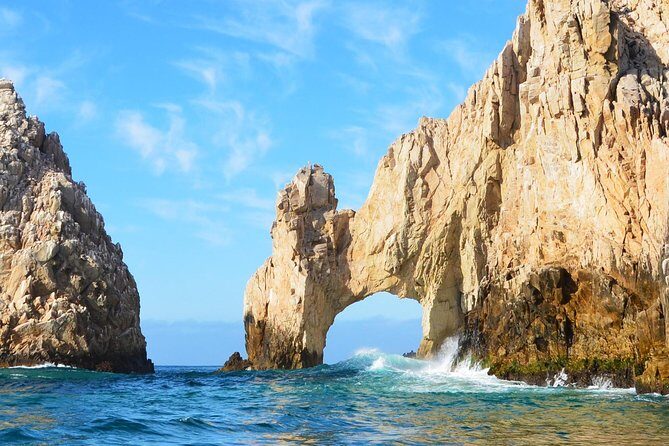
El Arco is the classic Cabo landmark, and this tour uses it as a clean starting point. You’ll cruise close enough for people to get good views and pictures, and it also helps you understand what kind of coastline you’re looking at before the boat turns whale-spotter mode.
Why this stop is useful: it’s a mental warm-up. Whale watching can feel random until you see how the captain and biologist read the water and the wind. That early iconic pass gives you something to focus on while you settle in.
Potential drawback: if you’re hoping for your first big whale sighting immediately, this is not that kind of tour. You’ll likely see wildlife on the way, but the main show comes after the search starts.
Playa de los Amantes and Pelican Rock: scenery plus real wildlife chances
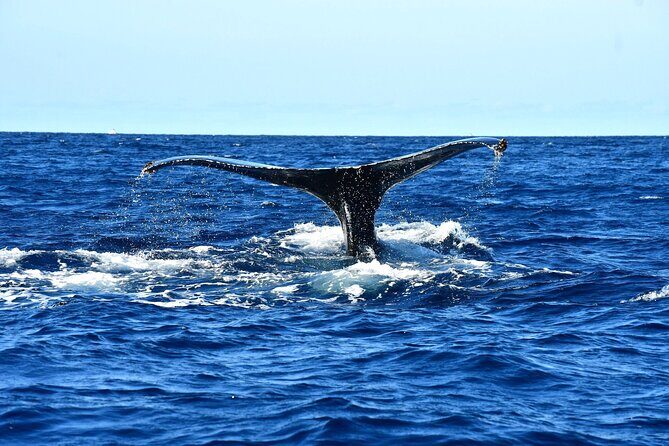
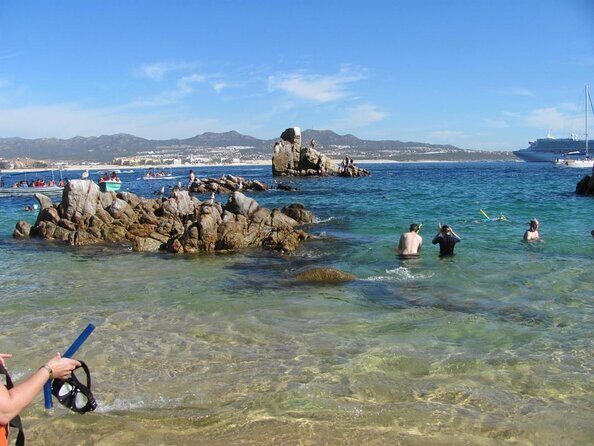
Playa de los Amantes and Pelican Rock are not just postcard stops. They sit in the right zone for the kind of marine activity that often happens around Cabo’s inshore areas.
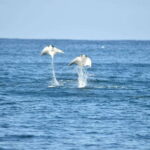
The marine life you might spot on the wider outing includes humpback whales, dolphins (common and bottlenose), olive ridley sea turtles, and mobula rays. Even when the whales aren’t right at the first stops, you can still get small wins: pelicans overhead, dolphins in the mix, or sea lion activity.
One of the smartest things you can do: stay ready. The best sightings often happen when people are thinking they’ve settled for a slower pace. This tour’s format helps because you’re not stuck waiting in one place for a long time.





The whale search: small-boat maneuvering, respectful distance, and the hydrophone
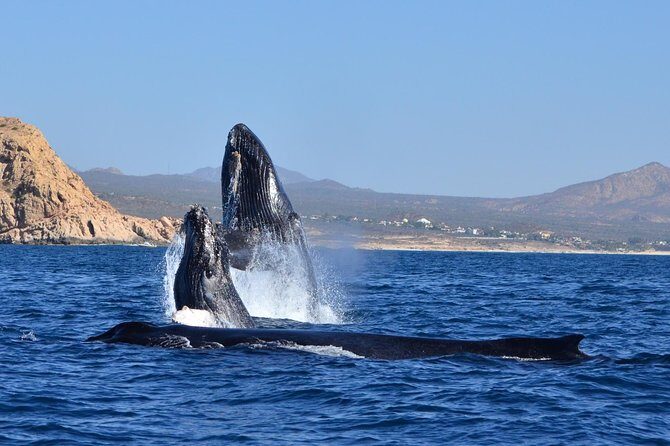
Once you’re out, this is where the small zodiac approach really matters. With a maximum of 10 people, it’s easier to reposition quickly while still keeping things calm and controlled. Several recent experiences highlighted that the crew worked to find whales away from the densest clusters of boats, while still keeping a respectful distance.
You’ll also have a hydrophone to listen for humpback whale calls and singing when conditions allow. The hydrophone piece is more than a gimmick. It adds another layer to what you’re seeing, and it helps if the whales are surfacing out of the best direct line for everyone’s eyes.
If whale singing is off that day, you might still hear or experience recorded audio the guide has on hand. That’s a nice compromise, and it keeps the educational part moving rather than waiting in silence.
One more thing I like about the way this tour is described: the crew focuses on Observe, Not Disturb. That usually translates into consistent behavior on the water—cutting engine when it makes sense, maintaining distance, and not chasing chaos.
What species you’re actually likely to see around Cabo
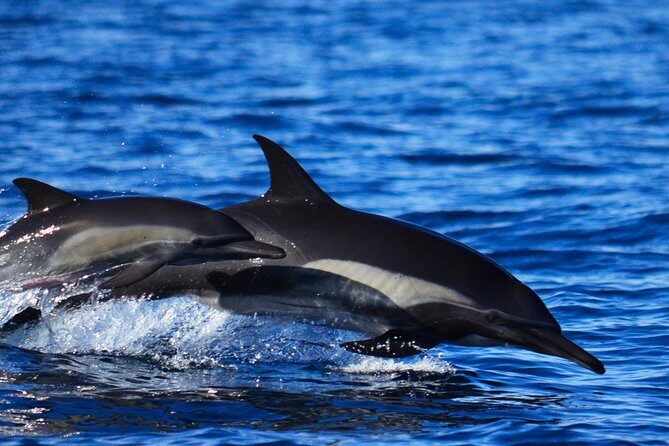
The most common targets for this operator include:
- Humpback whales (the star of the show)
- Common dolphins and bottlenose dolphins
- Olive ridley sea turtles
- Mobula rays
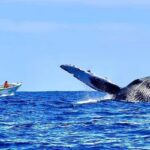
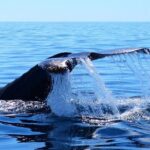
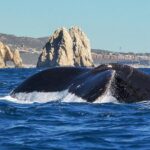
In real-world viewing, you may see more than one humpback encounter type in the same outing. Recent experiences mention dramatic breaching, tail flukes as whales dive, and close passes where whales approach the boat in a way that feels surreal while still staying within a responsible viewing approach.
If you like “behavior reading,” the marine biologist onboard is there for that. You’ll hear what’s going on biologically—why they surface when they do, what breaching can indicate, and what you’re likely seeing in terms of social behavior. In different sessions, the biologist role has been played by people like Oscar, Josephine, Giselle, Dominique, Vittoria, and Payo, and the consistent theme is explaining what you’re seeing in plain language.
Tip for you: when the guide starts pointing out behavior, don’t multitask. Put the phone down for a few minutes. Your best memories will come from noticing the pattern, not just the frame.
Free photos: how to use them well (and why they’re worth it)
One of the most practical perks here is that the guide takes photos during the tour and you get them for free. This is a big deal because whale watching is the kind of activity where filming constantly can make the whole thing blur.
Here’s how to use the free photo plan to your advantage:
- Let the crew handle still shots of whales and key moments.
- You focus on watching—especially on breaching, tail waves, and calm surface time.
- If you want video, keep your phone ready, but don’t treat it like a job.
Recent sessions mention that photos are shared quickly, which helps because you’ll still remember the moment clearly when you see the images later. That’s the sweet spot.
Also, if you end up taking the free second tour (the guarantee case), you’re still in the same photo-friendly setup. So the photos aren’t just a one-day consolation prize.
The guarantee and whale-watching reality: how to think about risk
Whale watching comes with uncertainty. Wind and sea state can reduce visibility and comfort, and whale locations change faster than any schedule.
This operator uses two layers of certainty:
- A 100% whale sighting guarantee
- A free second tour if you do not see whales during the season window of Dec 15 to Apr 15
What that means for you in practice: you’re not just gambling on luck. The guarantee is there to protect your time and money, and it gives you another try when whales aren’t cooperating on the first attempt.
Also be aware: the tour requires good weather. If it’s canceled due to poor conditions, you’ll be offered another date or a full refund. That’s a normal reality for the ocean, but it’s still worth planning with flexibility.
What to pack and what to skip
Because bottled water isn’t provided and there’s no restroom on board, plan your essentials like you would for a half-day on open water.
Bring:
- Water you can drink before and during (and consider a refillable bottle)
- Sunscreen and a hat
- A light layer for windier moments
- Motion-friendly mindset if you’re prone to seasickness (zodiac rides can be brisk)
Skip:
- The expectation of WiFi. You’ll be out there for whales, not for internet.
- The idea that the crew will have bottled water waiting. Sustainable ops means no single-use plastic bottles on board.
If you’re sensitive to cold or sun swings, dress in layers. Cabo can shift fast once you’re out past the bay.
Who this tour is best for
This is a great fit if you want:
- A small-group experience with room to move and take in what’s happening
- A biology-minded guide who explains humpback behavior
- A responsible approach that emphasizes distance and calm observation
- A boat that can reposition effectively when whales surface
It’s also a strong choice for families with kids 8 and up, couples who want a more intimate zodiac day, and anyone who gets annoyed by cattle-call boat trips.
One caution: the tour has a weight limit of 300 lbs, and there’s no restroom on board. If either of those is an issue for you, consider that before booking.
Should you book this Cabo whale watch tour?
Yes, if your priority is a small-boat, biologist-led whale watch with free photos and real accountability around sightings. At $109, the value comes from the combo: marine biologist education, active whale searching from a zodiac format, and photos that keep you present.
If you’re the type who needs comfort comforts like onboard WiFi or an onboard restroom, you’ll want to look elsewhere. Otherwise, this is exactly the kind of Cabo outing that feels focused: you’re on the water for whales, and the crew is set up to help you see them without turning the ocean into a theme park.
FAQ
What is the group size for this whale watch tour?
The tour is a maximum of 10 travelers, which keeps it more personal and easier for the crew to reposition the zodiac when whales surface.
Who leads the tour and what do I learn?
You’ll go out with a marine biologist guide onboard. The focus is education about humpback whales and what you’re seeing on the water, plus other species you might encounter.
Are photos included, and are they free?
Yes. The guide takes photos during the tour, and they’re provided for free.
Is there a restroom or bottled water on board?
No restroom is listed on board, and bottled water is not included. The operator also notes they no longer provide single-use plastic bottles.
Is a whale sighting guaranteed?
Yes. The tour offers a 100% whale sighting guarantee, and if you don’t see whales between Dec 15 and Apr 15, you can take a free second tour.
What are the age and weight limits?
The minimum age is 8 years old. There is also a weight limit of 300 lbs.