REVIEW · CABO SAN LUCAS
Humpback Whales in Cabo San Lucas
Book on Viator →Operated by Cabo Trek · Bookable on Viator
Humpback whales turn Cabo into a drama. This Cabo San Lucas boat tour pairs a marine biologist onboard with a small-group setup, so you’re not stuck listening to a megaphone while you wait. I like the way you get a classic Cabo introduction first (El Arco and sea lions) and then shift into humpback whale watching with a team focused on where the action is. One thing to keep in mind: the ride can feel choppy at times, and it’s also a longer outing since the captain may need to search for the whales.
If you want the calmest start, I’d target the early departures at 08:00 or 11:00. That timing is a smart move for seasickness-prone folks and for families with young kids or older travelers, because the ocean is often kinder in the morning. Also note: there’s no hotel pickup included, so you’ll be using the CaboTrek meeting point near the marina area.
In This Review
- Key things to know before you go
- Cabo whale watching with a guide you can actually talk to
- Where the tour starts (and how to plan your timing)
- The first stretch: Cabo San Lucas Beach, El Arco, and sea lions
- Finding humpbacks: why the captain’s route depends on conditions
- The marine biologist angle: more than facts, it’s pattern-spotting
- What kinds of sightings you can realistically hope for
- Comfort and seasickness: choose the right departure time
- Value check: how $99 fits what you actually get
- Who this tour suits best
- Should you book Cabo Trek’s humpback whale tour?
- FAQ
- How long is the Cabo San Lucas humpback whale tour?
- What does the $99 price include?
- Is hotel pickup included?
- Where do I meet for the tour?
- How many people are on the boat?
- Which departure time is best if I get seasick?
- What if the weather is bad?
Key things to know before you go
- Marine biologist onboard: you’ll learn what you’re seeing while you’re on the water, not after the fact.
- Small-group boat (10–12 people): fewer people makes it easier to hear, look, and actually stay engaged.
- Classic Cabo sights first: El Arco and the sea lion colony come early in the trip.
- Morning departures often mean calmer seas: 08:00 and 11:00 are the best bet if you’re sensitive to motion.
- You may see big behaviors: breaching, whale tales, and close mama-and-calf moments are a recurring theme in the best outcomes.
Cabo whale watching with a guide you can actually talk to
Cabo San Lucas has a way of turning “a boat ride” into a full-on wildlife moment. What makes this tour feel worth your time is the combination: you’re on the water long enough to wait for whale activity, but you’re also with a guide who can explain the scene as it unfolds.
I especially like that the tour isn’t just about spotting a whale somewhere offshore. You’re looking at an ecosystem in motion: whales, sea lions, and dolphins in the same outing, plus the dramatic shoreline around El Arco de Cabo San Lucas. And unlike tours where you’re mostly passively watching from a distance, this one is built around education while you’re there.
A small caution: whale watching can’t be forced. Even with a skilled captain, conditions and whale movement decide what you see that day, so you’re buying the chance for unforgettable moments, not a guarantee of a specific breach.
You can also read our reviews of more whale watching tours in Cabo San Lucas
Where the tour starts (and how to plan your timing)
You’ll meet at CaboTrek Hotel Tesoro, Blvd. Paseo de la Marina 20-Local A, Centro, Cabo San Lucas. The activity ends back at the same meeting point, which simplifies the end of the day.
The tour runs about 2 hours 30 minutes total. That duration matters because it gives the captain room to both show you iconic sights and then spend real time searching for humpbacks. In short: you’re not rushed through the experience like you’d be on a short coastal hop.
Also pay attention to the fact that this is offered in English, though a multi-lingual guide may operate the tour as well. If you have specific language needs, it’s worth confirming at booking so you’re comfortable during the explanations.
The first stretch: Cabo San Lucas Beach, El Arco, and sea lions
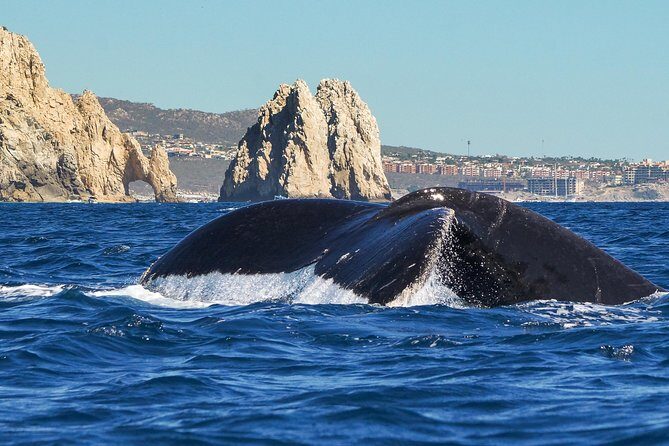
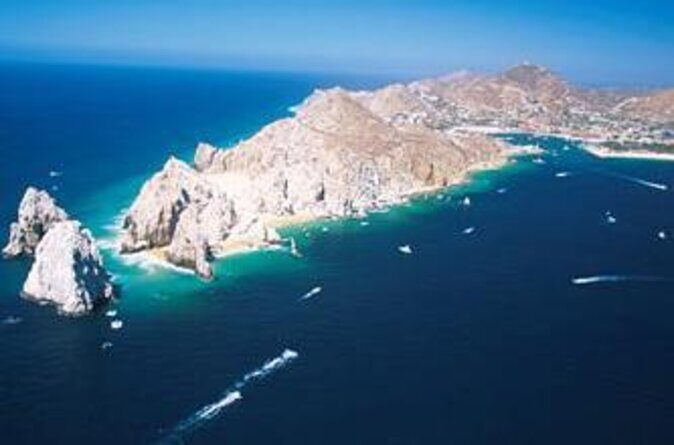
The tour begins with a quick, high-impact intro to Cabo. You’ll start at Cabo San Lucas Beach, then head to El Arco de Cabo San Lucas. This is the postcard moment most people come for, and it’s a good way to get your bearings before you head out for the whales.
Next comes the sea lion colony stop. This is more than a background detail. Sea lions help set the tone: you’re in a marine zone where animals feed, move, and sometimes ignore humans entirely. That’s useful context when humpbacks show up later, because you’ll recognize that you’re not just chasing one species. You’re watching a system.
What I like about this “start with landmarks, then go deeper” flow is that even if whale activity is slower at first, you still have strong scenery and wildlife to watch right away.
Finding humpbacks: why the captain’s route depends on conditions
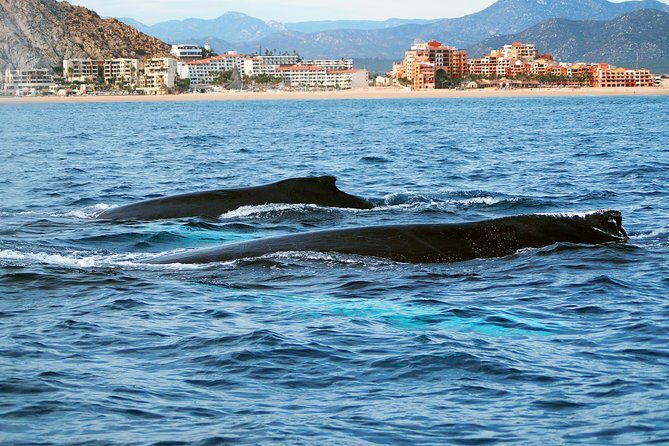
After those early Cabo sights, your crew decides where to go next based on weather and guidance from the captain and guide. You may head to the Pacific side or the Sea of Cortez, depending on what conditions look best.
That decision is a big part of the value. Weather doesn’t just affect comfort; it affects where marine life is likely to be active and how well you can maintain safe positioning. And whale watching success is often about timing and location, not luck alone.
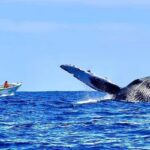
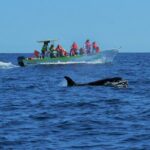
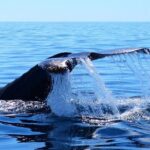
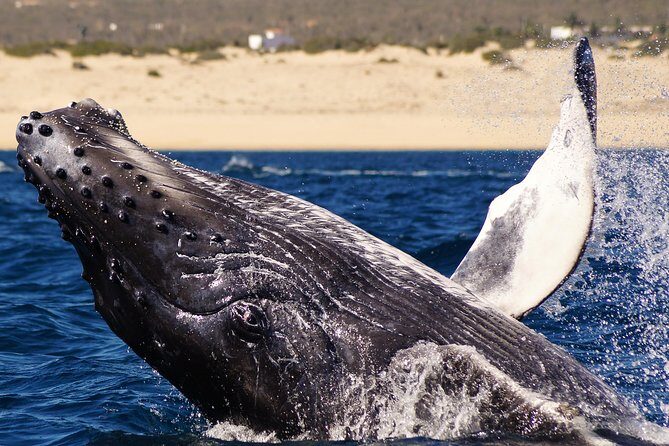
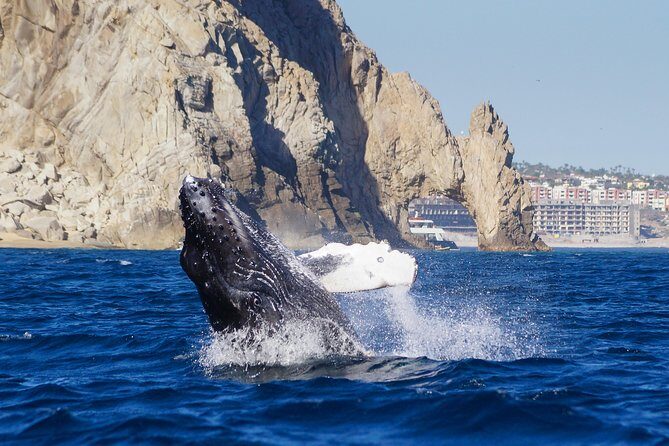
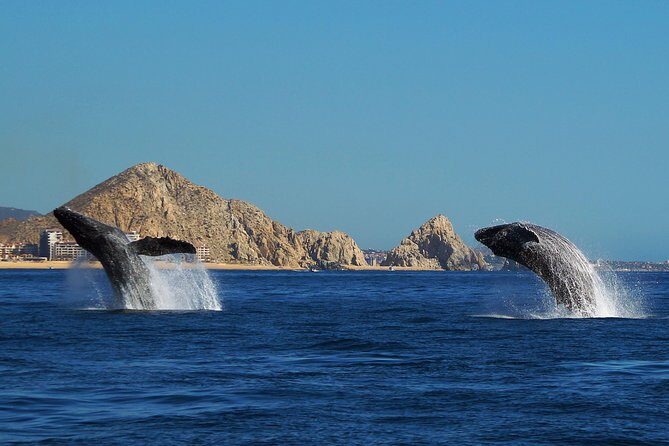
On days when things line up, the best whale encounters described for this tour are the kinds that make you forget your phone exists: breaches (including full breaches), whale tales, and close interactions. There are also accounts of a long stretch with a mama humpback and her calf, including calm time with the whales staying nearby and even moving under the boat.
One more practical note: you should expect some travel time as the captain searches. Some rides feel longer while you’re waiting for the first big sighing moment, but that searching time is part of what makes longer sightings possible.
The marine biologist angle: more than facts, it’s pattern-spotting
The tour includes a marine biologist guide, and it changes the whole experience. When you understand what you’re looking for, you stop thinking of whales as just big shapes and start seeing behavior.
Here’s what this kind of onboard teaching helps you do:
- Notice patterns in whale movement (surface time, direction changes, and activity bursts)
- Understand what different behaviors mean in a practical way
- Ask questions in real time while you’re still seeing the animal
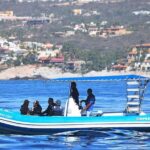
I also like that this tour has a small group size (10–12), which makes it easier to hear explanations without competing with a crowded deck. In that setting, questions don’t feel like interruptions. You actually get answers while the action is still happening.
From guide and crew profiles mentioned in the experience, names like Maria, Andrea, and Vanu come up often, alongside captains such as Freddy and Frank. Even when the exact team varies by day, the overall format stays the same: learning and spotting happen together.





What kinds of sightings you can realistically hope for
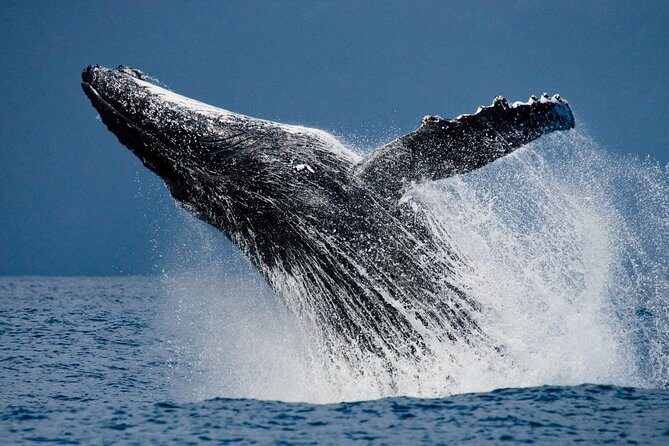
This tour is built around humpback whales, and that’s the headline. But you’re not limited to one species.
Based on the outcomes shared from recent experiences, you may also see:
- Sea lions (including at the colony stop)
- Dolphins, sometimes with active surface behavior
- Other marine life in the mix, depending on the day and season (a few accounts even mention marlin and other whales)
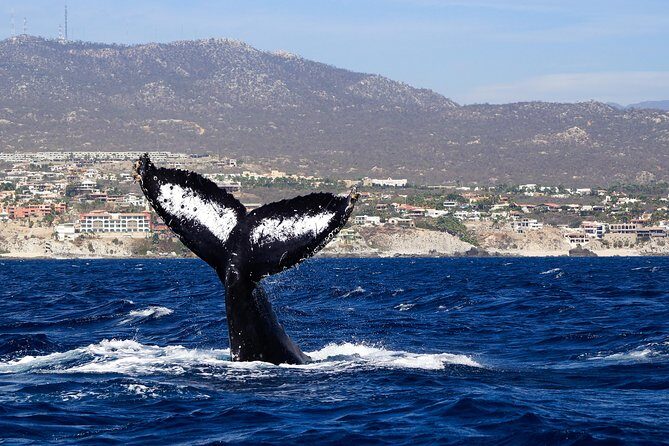
The most memorable whale moments tend to involve dramatic surface behavior. Breaching is the big one, plus whale tales and close approaches where you can clearly see body movement and timing. There are also descriptions of whales staying close enough that you can observe extended interactions, including moments when a whale stays beneath the boat longer than you’d expect.
Real talk: you won’t control where the whales are. But the best-case outcomes are exactly what you want from a dedicated whale-watching trip: repeated sightings, not just one brief glimpse.
Comfort and seasickness: choose the right departure time
If you get motion sick easily, pick your time carefully. This tour explicitly suggests choosing early departures at 08:00 or 11:00 for calmer oceans. That advice is worth listening to. Cabo’s water can change fast, and morning often gives you smoother conditions.
If you’re prone to seasickness, I strongly recommend you bring your own remedy. One practical tip mentioned is taking Dramamine before you go, especially since the boat may start and stop while searching.
Other comfort tips that help:
- Wear motion-friendly clothing (nothing bulky near your center of balance)
- Bring a light layer even in warm weather, because boat wind can sneak up on you
- Bring water with you even though bottled water is included, just so you’re not dependent on refills
One possible drawback that shows up in the experience: a few people felt the ride was bumpy or that acceleration felt abrupt at times. That doesn’t mean your trip will be like that, but it’s a reminder to be ready for the realities of open-water driving.
Value check: how $99 fits what you actually get
At $99 per person, you’re paying for two things at once: time on the water and expert wildlife interpretation.
Here’s what’s included:
- Marine biologist guide
- About 2.5 hours on the water
- Marine park fees
- Bottled water
What’s not included:
- Souvenir photos (sold separately)
- Hotel pickup and drop-off
When I judge value, I focus on the trade you’re making: you’re not buying a short “look and leave” tour. You’re buying a real chunk of time where whales can surface more than once and where the guide has a chance to explain what you’re seeing as it happens.
The small-group size (around 10–12 on a boat) matters here too. If you’ve ever been stuck on a large vessel where you can’t hear the guide or you’re stuck behind shoulders, you’ll appreciate a setup designed for easier viewing.
One extra note for planning: the tour listing mentions a private option where the displayed price is per group up to 8 people. If you’re traveling as a tight group, that’s something to price-check so you’re comparing apples to apples.
Who this tour suits best
This is a strong fit if you want:
- A guided whale-watching outing, not just a boat cruise
- A small group so you can hear and ask questions
- A mix of Cabo icons (like El Arco) and wildlife
It’s also a smart pick for families and mixed ages because the early departure times are recommended for calmer water. If you’re older or sensitive to motion, going in the morning is the easiest way to stack the deck in your favor.
If your travel style is more “chill scenery and no rules,” you might prefer a sightseeing cruise instead. But if you want nature talk on the ride and the chance at real whale behavior, this one is made for you.
Should you book Cabo Trek’s humpback whale tour?
I’d book it if you can say yes to three things: you want to spend a good chunk of time on the water, you want a marine biologist onboard, and you’re aiming for the best odds of seeing humpbacks behave like whales do (breaching, surfacing repeatedly, and sticking around in active zones).
Skip it or rethink the timing if you’re extremely sensitive to motion and you can’t handle open-water boat travel. In that case, choose 08:00 or 11:00 and come prepared with seasickness protection.
Overall, for the money, this is one of those Cabo experiences where the structure matches the goal: see El Arco and sea lions quickly, then give the crew enough time to hunt intelligently for humpbacks.
FAQ
How long is the Cabo San Lucas humpback whale tour?
The tour lasts about 2 hours 30 minutes.
What does the $99 price include?
It includes the marine biologist guide, a 2.5-hour boat ride, marine park fees, and bottled water.
Is hotel pickup included?
No. Hotel pickup and drop-off are not included, and the tour meets at CaboTrek Hotel Tesoro.
Where do I meet for the tour?
You start at CaboTrekHotel Tesoro, Blvd. Paseo de la Marina 20-Local A, Centro, Cabo San Lucas.
How many people are on the boat?
The boat is limited to about 10–12 people, with a maximum of 16 travelers for the activity overall.
Which departure time is best if I get seasick?
The tour suggests early morning departures at 08:00 or 11:00, since they tend to have calmer oceans.
What if the weather is bad?
The experience requires good weather. If it’s canceled due to poor weather, you’ll be offered a different date or a full refund.