REVIEW · CABO SAN LUCAS
Cabo Turtle Release
Book on Viator →Operated by Cabo Trek · Bookable on Viator
Baby turtles and sunset make Cabo unforgettable. This Cabo Turtle Release tour is built around a very human, very real moment: you watch Olive Ridley hatchlings make their first steps into the Pacific, with scientists explaining the why behind the work. I love the small group feel and the chance to learn from marine biologists like Sylvia and Juan. I also like that the tour is low-effort and works well for families, including little kids. The one drawback is simple: there’s no hotel pick-up, so you’ll need to get yourself to the meeting point.
Plan to meet at CaboTrekHotel Tesoro in downtown Cabo (a short, easy target address), then ride together to the beach. At 4:00 pm, you’ll trade phones and shopping streets for salt air, conservation talk, and a guided hatchling release that feels special in a way a souvenir can’t touch.
In This Review
- Key Things I’d Zoom In On
- Why a 4:00 pm Turtle Release Fits a Cabo Vacation
- Getting There: Meeting at CaboTrekHotel Tesoro (No Hotel Pick-Up)
- The Marine Biology Lesson: Olive Ridley Basics You Can Actually Use
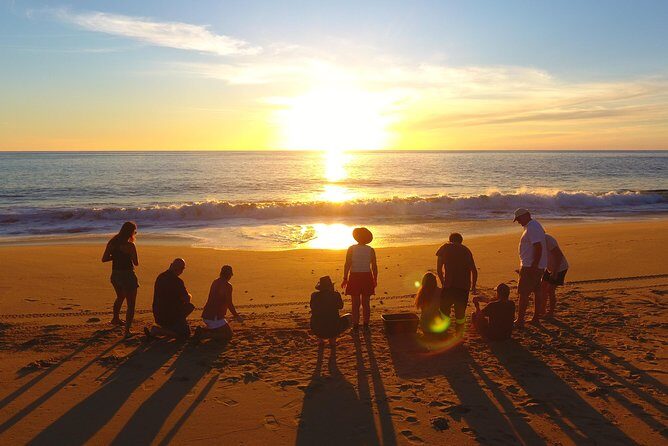
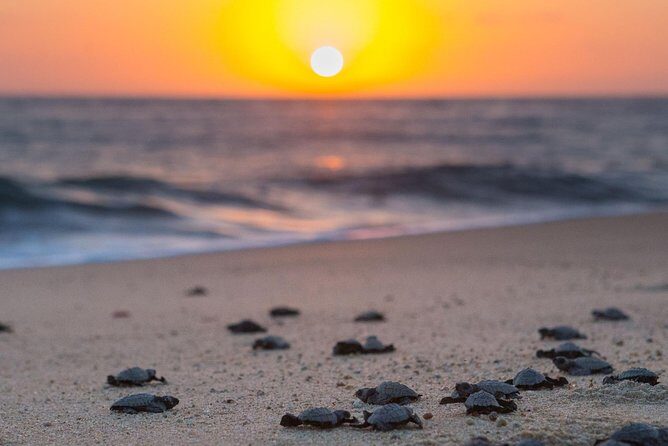
- On the Beach at Sunset: How the Hatchling Release Works
- Conservation Impact: Why Your Help Isn’t Just Symbolic
- What’s Included (and What You’ll Probably Want to Bring)
- Group Size and Atmosphere: Why Small Feels Better Here
- Price and Value: Is $109 for 3 Hours Worth It?
- Who This Tour Is Best For (and Who Should Rethink It)
- Should You Book Cabo Turtle Release?
- FAQ
- What time does the Cabo Turtle Release start?
- How long is the tour?
- Where do I meet for the tour?
- Is there hotel pick-up?
- Is the tour offered in English?
- How many people are in the group?
- What’s included in the ticket price?
- What should I expect during the release?
- Do I need to be very physically fit?
- What happens if weather is bad?
- What is the cancellation window?
Key Things I’d Zoom In On
- A 4:00 pm sunset schedule that lines up with when you’ll see hatchlings moving toward the ocean
- Marine biologists leading the experience, including guides such as Sylvia and Juan
- Olive Ridley focus with practical explanations about nesting and what your help supports
- A hands-off release setup where hatchlings are placed from a bowl onto the sand
- Max 8 travelers, which keeps questions and attention from turning into a crowd scene
Why a 4:00 pm Turtle Release Fits a Cabo Vacation
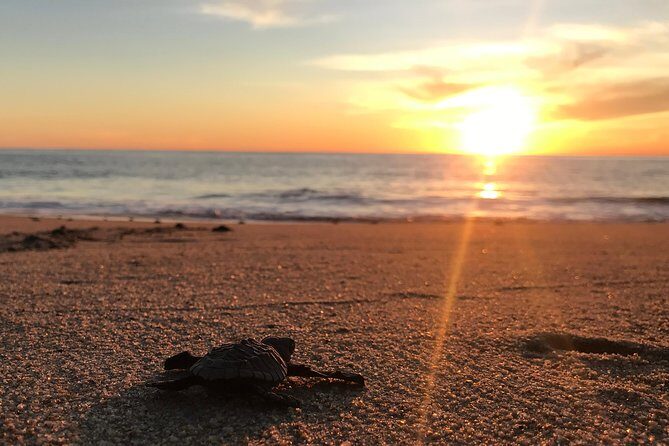
Cabo is famous for quick highlights. This one works because it’s short—about 3 hours—but it lands emotionally. The timing matters too. Starting at 4:00 pm, you’re in the golden-hour window when the experience turns visual: beach light, sunset color, and the hatchlings’ path toward the sea.
What makes it click is that it’s not just a photo moment. You’re learning as you go, with a marine biologist leading you through what Olive Ridley turtles need to survive, and what conservation efforts try to protect. You’ll also get a clear, guided process for the release itself, so you’re not left guessing what to do.
One more reason I like this kind of tour: it’s built for mixed ages. The tour is designed with very little physical effort required, so it’s realistic for families that don’t want a long hike—or a long wait in heat.
You can also read our reviews of more tours and experiences in Cabo San Lucas.

Getting There: Meeting at CaboTrekHotel Tesoro (No Hotel Pick-Up)
Here’s the practical part that can make or break your day: no hotel pick-up. The tour starts and ends back at the meeting point, CaboTrekHotel Tesoro, Blvd. Paseo de la Marina 20-Local A, Centro. If you’re staying outside downtown, you’ll want to plan transport early so you arrive on time.
The good news: the meeting location is in the center of Cabo and serves as a clear anchor point for getting everyone together. Once you’re there, the tour includes round-trip transportation from the meeting point to the activity area and back, so you’re not left coordinating rides at dusk.
This is also where you’ll do the quick pre-move routine: check in, get set, then head out as a group. With a tour cap of 8 travelers, it tends to feel organized instead of chaotic.
The Marine Biology Lesson: Olive Ridley Basics You Can Actually Use
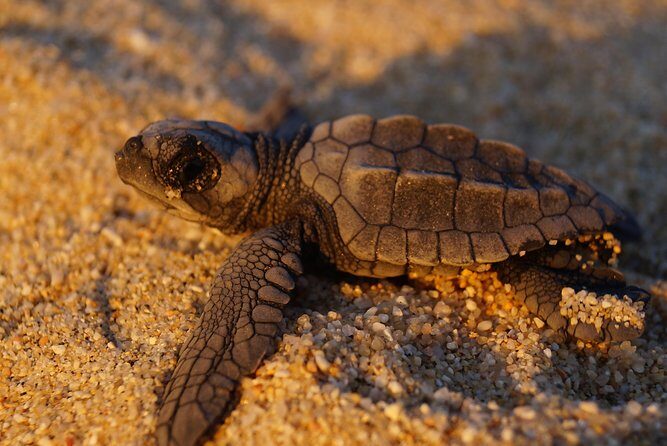
The best turtle tours don’t treat animals like props. This one spends time on the animal’s story in plain language: what Olive Ridley turtles do in Baja California Sur, how the nesting cycle works, and why the hatchlings are so vulnerable.
You’ll learn that Olive Ridley is one of the six species that visit Baja California Sur, and that every year they return for reproduction and nesting. The tour is timed for a very specific window—right after the disclosure of the eggs—when hatchlings are ready for their first move into the wild.
I like the way this kind of conservation education improves the whole experience. When you understand the timeline (nesting, eggs, hatchlings, first reach toward the ocean), the release stops being a vague feel-good act. Instead, you’re part of the careful work that gives hatchlings a better start.
And the guides make a difference. Reviews spotlight marine biologists like Sylvia and Juan for explaining turtle biology in an engaging way, with answers for questions from kids to adults. One reason families rave about this tour is that the science isn’t dumped as a lecture—it’s offered alongside the moment you’re standing in.
On the Beach at Sunset: How the Hatchling Release Works
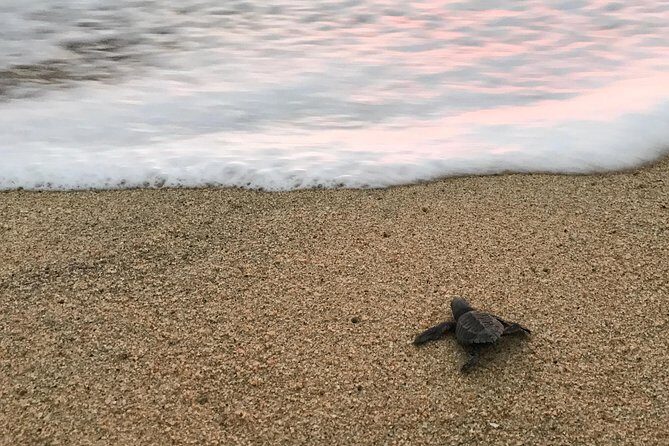
This is the main event, and it’s structured so you can participate without turning it into a free-for-all.
Here’s what you can expect during the release:
- You’ll be briefed on the hatchlings and what you’re doing.
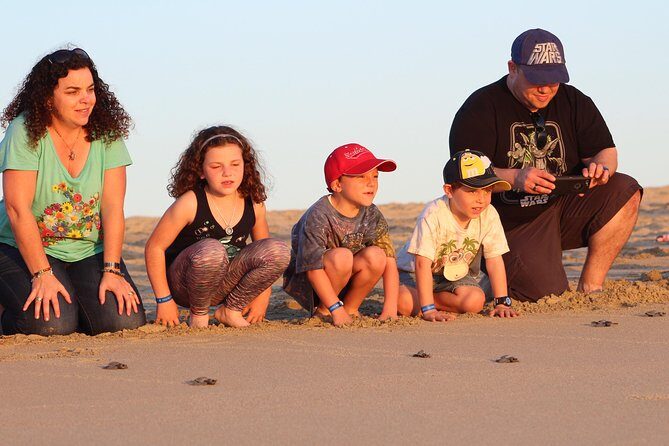
- You’ll help release hatchlings into their natural path.
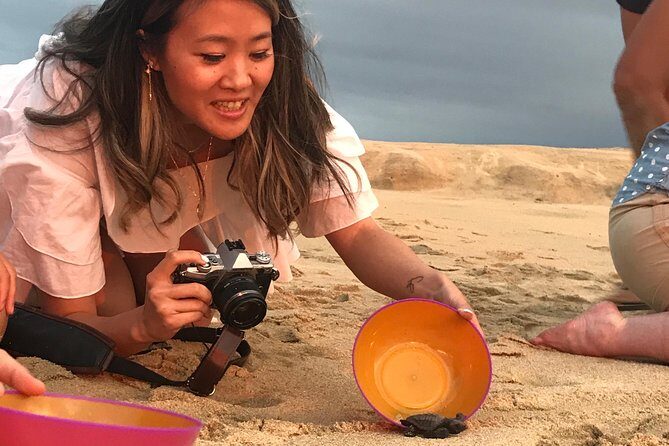
- The hatchling is placed onto the sand from a bowl, not held in your hands.
That bowl detail matters. It reduces stress for the turtles, and it also keeps the process calm for you. You’ll still get close enough to see what’s happening, but you’re not in direct contact.
During the release, the tour emphasizes a guided, careful approach. That’s partly for animal welfare and partly because timing is everything. Hatchlings need the right conditions and the right opportunity to make it to the ocean.
One thing I appreciate about a sunset release is the emotional contrast: bright science talk in the early part, then a quiet beach moment. Reviews repeatedly connect the sunset setting with the experience staying in your memory—especially when you can watch the hatchlings begin moving toward the sea as the light shifts.
Yes, there’s a “wow” factor. But the “wow” has a reason behind it: you’re seeing a conservation action designed around a real biological timeline.
Conservation Impact: Why Your Help Isn’t Just Symbolic
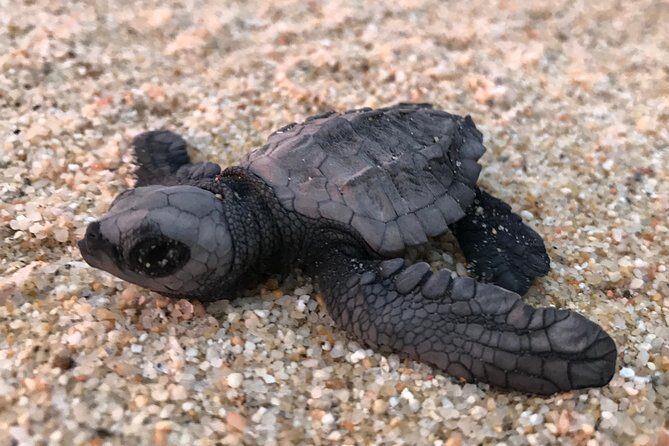
Let’s keep this grounded. You’re not going to save the ocean in 3 hours. What you are doing is supporting a conservation workflow during a narrow, high-stakes period.
The tour framework is about improving hatchling survival at the exact time they’re most at risk—right after eggs are disclosed and hatchlings are ready to start their journey. The idea is simple: when conservation teams help hatchlings take their first steps into the wild, it supports the next stage of the species’ life cycle.
The most convincing part of conservation experiences like this is when they’re specific. Here, the specifics are built in:
- The focus is on Olive Ridley turtles.
- The timing lines up with nesting and hatchling readiness.
- A marine biologist explains the animal and the conservation effort while you’re present.
You’ll also likely hear answers to the questions that pop up naturally: How do hatchlings know where to go? Why is this stage critical? What threats make conservation necessary? Reviews praise the guides for being engaging and for keeping kids involved, which usually means the science is explained in a way that sticks.




What’s Included (and What You’ll Probably Want to Bring)
The tour includes:
- Water
- Transportation from the meeting point to the activity location (and back)
That’s it on the formal “included” list. But there are comfort items you may find helpful based on what people have reported: at least one review notes that snacks, drinks, and bug repellent were provided. Don’t count on that every time, but it’s a strong sign the operator tries to set you up for the beach portion of the evening.
What I’d bring based on the reality of a beach-at-sunset activity:
- A light layer for late-day breeze
- Sunscreen (even if you’re starting at 4 pm)
- Sand-friendly shoes or sandals you don’t mind getting dusty
- Your camera ready—because you’ll want photos of the release process
And because this is a marine moment, I’d keep extra personal items minimal. You’ll be focused on the hatchlings, the guide’s instructions, and the sunset.
Group Size and Atmosphere: Why Small Feels Better Here
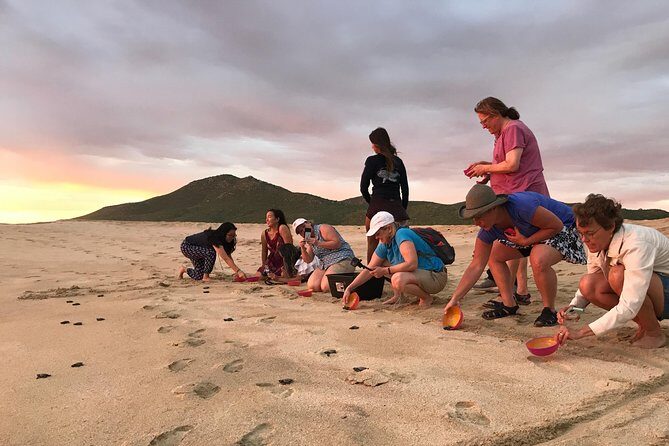
A max group size of 8 travelers is a big deal on this kind of tour. Turtle releases are visual, but the science part is conversational too—questions from kids, follow-ups from adults, and constant guidance so everyone stays on track.
With a small group, you don’t spend the whole tour trying to hear over other people. You can actually ask something and get an answer that fits what you’re seeing in front of you.
Reviews also highlight how engaging the team is, including kids surprising adults with their questions and attention. That usually happens when the group stays small enough for the guide to keep everyone part of the moment.
Price and Value: Is $109 for 3 Hours Worth It?
At $109 per person for about 3 hours, this isn’t a budget add-on. You’re paying for four things at once:
- Guided scientific interpretation with marine biologists
- A conservation-linked hatchling release (not just a viewing)
- Transportation included from the meeting point
- A small-group setup (max 8 travelers)
That’s why the value feels strong for the people who book it with their family. You’re buying an experience that’s difficult to recreate on your own. You can’t easily reproduce the exact timing with the right conservation steps, and you definitely don’t get the same structured education.
If you’re the type who likes animals plus a real explanation—and you want something that feels meaningful in a short window—this price starts to make sense. If you’re strictly price-driven and want long entertainment for less, you might compare options. But for a guided conservation turtle release at sunset, $109 feels like a fair, experience-heavy rate rather than a sightseeing-only fee.
Who This Tour Is Best For (and Who Should Rethink It)
This is a good fit if you:
- Want a family-friendly activity that doesn’t require a lot of walking
- Enjoy animal-focused experiences with real science guidance
- Like the idea of contributing during a conservation moment, not just watching from a distance
It’s also a great match for mixed groups—adults who want the biology, and kids who just want the hatchlings (and usually end up loving the science once it’s explained well).
Who might rethink it? If you’re not comfortable with outdoor beach conditions at sunset, or if the lack of hotel pick-up makes logistics hard for your schedule, you may find it more stressful than fun. Also, the experience depends on good weather, so plan for the fact that conditions matter.
Should You Book Cabo Turtle Release?
If you want one Cabo moment that feels different from the usual list, I’d book it. The combination of sunset timing, a small group, and guided conservation education turns this into more than a quick thrill.
I’d especially recommend it if you:
- Like guided animal experiences with clear instructions
- Want a kid-friendly activity that still respects the seriousness of conservation
- Can handle meeting downtown at CaboTrekHotel Tesoro without needing pick-up
If you’re still on the fence, here’s my simple test: would you pay for a 3-hour guided experience where you learn and participate in a hatchling release in a safe, structured way? If yes, this tour is likely your kind of evening.
FAQ
What time does the Cabo Turtle Release start?
It starts at 4:00 pm and ends back at the same meeting point.
How long is the tour?
The duration is listed as about 3 hours.
Where do I meet for the tour?
Meet at CaboTrekHotel Tesoro, Blvd. Paseo de la Marina 20-Local A, Centro, 23450 Cabo San Lucas, B.C.S., Mexico.
Is there hotel pick-up?
No. The tour does not include hotel pick-up, but it does include transportation from the meeting point to the activity location and back.
Is the tour offered in English?
Yes, the tour is offered in English.
How many people are in the group?
The tour has a maximum of 8 travelers.
What’s included in the ticket price?
Included items are water and transportation from the meeting point to the activity location.
What should I expect during the release?
You’ll release Olive Ridley turtle hatchlings into the wild while a marine biologist explains the turtles, the nesting cycle, and conservation efforts. Hatchlings are placed from a bowl, not held in your hands.
Do I need to be very physically fit?
No. The tour requires very little physical effort, and it’s described as suitable for all ages, including toddlers.
What happens if weather is bad?
The experience requires good weather. If it’s canceled due to poor weather, you’ll be offered a different date or a full refund.
What is the cancellation window?
You can cancel for a full refund up to 24 hours before the experience’s start time. Changes less than 24 hours before start time aren’t accepted, and refunds don’t apply then.