REVIEW · CABO SAN LUCAS
Gray Whale-Watching 2-Day Experience in Magdalena Bay
Book on Viator →Operated by Cabo Trek · Bookable on Viator
Gray whales in Magdalena Bay feel strangely close. This 2-day trip from Cabo San Lucas gives you two different time windows on the water, plus time on land in a real fishing town—sand dunes, mangroves, and a gray whale sanctuary built for winter calves. You’ll also get guided bird and marine-life spotting while you’re moving between the bay’s channels.
What I really like is the two whale-watching tours spread across late afternoon and early morning, which lines up well with when whales are most likely to interact. The second big win is the family-run overnight and meals in Mateos/Lopez Mateos, so the experience isn’t just a quick drive-and-boat grab.
The main thing to consider is simple: this is a long, basic, nature-first outing. Expect a long drive each way and fairly straightforward lodging, and pack light because comfort on the road (and in simple rooms) can vary.
In This Review
- Key things to know before you go
- Why Magdalena Bay matters for gray whales (and for your photos)
- Price and logistics: what $799 is really covering
- Getting from Cabo San Lucas to Mateos/Lopez Mateos: long drive, steady rhythm
- Day 1 in Magdalena Bay: check-in, tacos, sunset dunes, then the late boat
- Stop at the bed and breakfast: warm meals, not a big hotel scene
- First whale-watching tour: search the lagoon and look for curious whales
- Sand dunes at sunset: a simple but memorable stop
- Dinner and rest: lobster and fish, then early-ish preparation
- Day 1 whale tour time window: late afternoon near sunset
- Day 2: pre-sunrise whale watching and the calm power of morning light
- Dress like it might be cold, because it often is
- Life beyond whales: birds, mangroves, dolphins, and even coyotes
- The guides: finding whales and handling real-world problems
- Food and overnight in Lopez Mateos/Mateos: local, filling, and often basic
- Boat, comfort, and photography: how close encounters really work
- Value check: who gets the best deal from this 2-day plan
- Should you book Gray Whale-Watching in Magdalena Bay with Cabo Trek?
- FAQ
- What’s included in the 2-day experience?
- How long are the whale-watching tours?
- Where does the tour start and where does it end?
- What time does the tour start?
- Is the tour offered in English?
- What group size should I expect?
- Do I need hotel pickup?
- How will I receive my ticket and when will I get confirmation?
- Can I cancel for a refund?
- What lodging type is provided?
Key things to know before you go
- Two timing styles on the same sanctuary: late-day search near sunset, then a pre-sunrise run the next morning.
- Boat time inside mangroves and sand dunes: you’re not just scanning open water.
- Food is part of the deal: fish and shrimp tacos at lunch, plus lobster/fish for dinner and a full breakfast.
- Small group size: minimum 4 people, maximum 8, which usually means more attention when you’re searching for whales.
- Expect simple lodging: a cozy family bed and breakfast, sometimes with basic room details that aren’t hotel-luxury.
- Pack for chilly mornings: reports note it can feel cold late afternoon and even more in the early morning.
Why Magdalena Bay matters for gray whales (and for your photos)
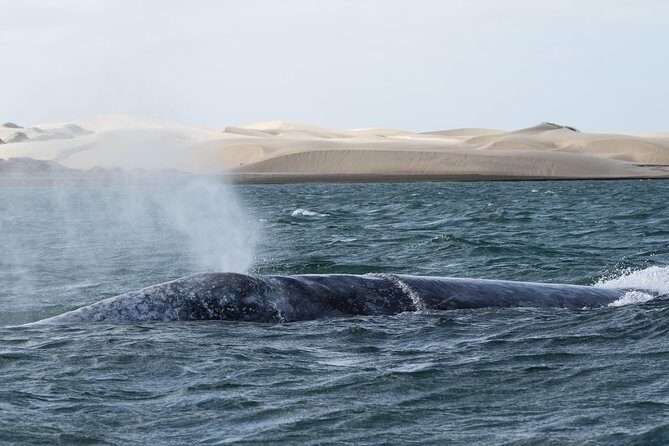
Magdalena Bay is famous for a reason: it’s a sheltered nursery. In winter, gray whales migrate along the Baja Peninsula and use this secluded bay—protected by sand dunes and mangroves—as a calm place for breeding and for raising calves. That sheltered setup matters because it changes the vibe of the trip. You’re not just chasing whales across the ocean. You’re cruising through calmer channels where whales often choose to linger.
This is also why the timing of the two boat days matters so much. Late afternoon light can help you see behavior clearly, and early morning often brings a different feel to the water. On a 2-day program like this, you’re not forced to get everything right on a single outing.
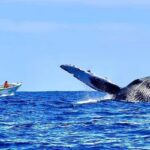
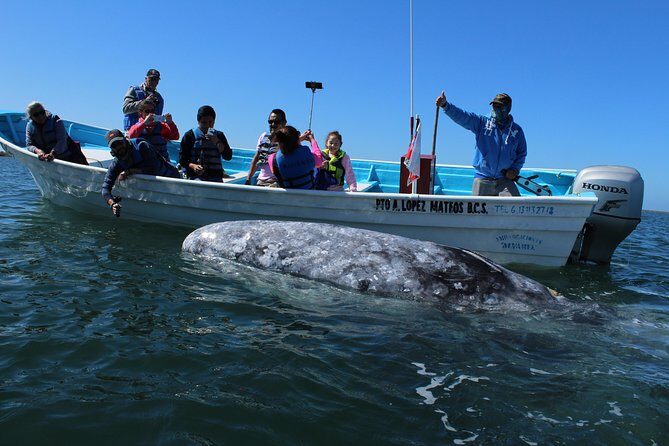
The best part for most people is that close encounters can happen. Some groups report seeing mother and baby whales extremely near the boat and even very curious behavior inside the channel.
You can also read our reviews of more whale watching tours in Cabo San Lucas
Price and logistics: what $799 is really covering
At $799 per person, you’re paying for the whole “get there and run it” package, not just the boat rides. Included are transportation, two whale-watching tours, an overnight stay, and meals (breakfast and dinner plus lunch twice). That’s the value story here: the cost mainly covers the time, distance, and effort to operate a multi-day trip in a remote winter whale area.
Two practical notes to keep your expectations realistic:
- Hotel pickup is not included. You’ll meet at the Cabo Trek location in Cabo San Lucas.
- Accommodation is part of the experience, but it’s not trying to compete with resorts. One report describes spartan rooms with basic setups (and even a hot-water issue in a specific room), so think “cozy and local,” not “luxury.”
Group size also affects comfort. The tour caps at 8 travelers, which is great for attention. On the road, though, you can still experience leg and shoulder squeeze depending on the van layout and the group’s fit.
Getting from Cabo San Lucas to Mateos/Lopez Mateos: long drive, steady rhythm
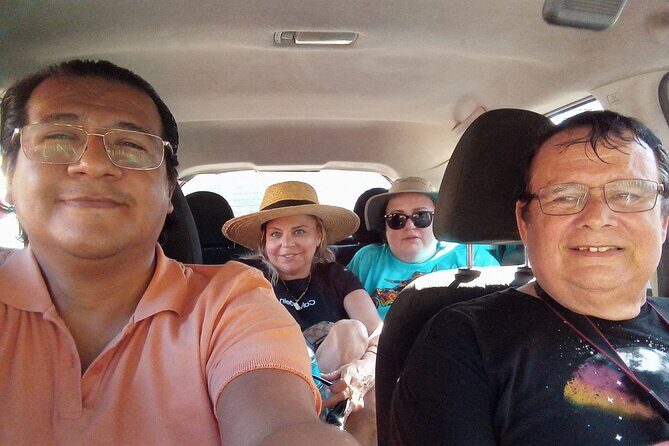
The day starts from Cabo San Lucas with a morning meetup, then you head roughly 5 hours north toward the Lopez Mateos area. The official start time listed is 6:00 am, and the schedule is built around getting you into position for your whale-watching windows.
This long drive is part of why the tour feels different from many one-day options. You’re not just transporting people; you’re moving the whole plan into the whale sanctuary zone so you can do two days of different conditions.
If you’re sensitive to motion or long rides, plan for it:
- Bring layers for the car and for the water.
- Pack light. Some groups specifically mention cramped conditions in a smaller van setup.
- Use breaks when they come. One report noted a good breakfast stop on the way, plus ample restroom breaks.
Also note the remote nature of the area. Reports mention there are no ATMs nearby, so bring cash ahead of time for small purchases you might want.
Day 1 in Magdalena Bay: check-in, tacos, sunset dunes, then the late boat
Day 1 has a clean flow: arrive, settle in, eat something local, then head out in the afternoon.
Stop at the bed and breakfast: warm meals, not a big hotel scene
Once you reach the fishing village area (Mateos/Lopez Mateos), you check into a cozy, family-run bed and breakfast. The lodging is described as cozy and family-managed, and the food is cooked and served on-site rather than coming from a big tourist restaurant chain.
You’ll have lunch with local fish and shrimp tacos before your first boat outing. It’s a nice way to start, because it keeps you from arriving to the bay hungry and rushed.




First whale-watching tour: search the lagoon and look for curious whales
Your first time on the water runs in the afternoon. You’re out to explore the lagoon and search for gray whales inside the protected channels. This is where the “sanctuary” idea becomes real: you’re moving through mangroves and sand-dune edges while looking for whales that are calm enough—or curious enough—to show behavior that stands out.
Some groups also mention extra wildlife during this part of the trip, like dolphins and lots of birds. Even when whales aren’t perfectly “performing,” you’re still in a place where marine life and birdlife show up as you cruise.
Sand dunes at sunset: a simple but memorable stop
On the way back, you stop at the sand dunes to watch the sunset. It’s the kind of pause that helps you process what you just saw, and it also makes the day feel like more than just “boat, lunch, boat.”
Dinner and rest: lobster and fish, then early-ish preparation
Dinner is served before you hit the bed. The program notes an exquisite lobster and fish dinner, and breakfast the next day is included too. You’ll want to sleep well, because Day 2 starts early and the air can feel chilly.
Day 1 whale tour time window: late afternoon near sunset
The late tour is designed to start around 3:00 pm and go until just before sunset. That matters because behavior changes with light and water conditions.
On this boat run, you’re again riding between mangroves and sand dunes, focusing on the best possible whale-human interactions. In practice, this often means:
- you might spend more time positioning rather than just racing across open water,
- you’re more likely to get repeated looks at whale surfaces and movement patterns,
- and your guide can adjust the search based on where whales are showing.
One review-style account describes mother and baby behavior with extremely close interaction (within about five feet) during the friendly, calm moments inside the channel. That’s not something you can demand, but it explains why timing and careful steering matter here.
Day 2: pre-sunrise whale watching and the calm power of morning light
Day 2 starts early for a reason. The second whale-watching tour is set for just after sunrise, when encounters can be especially satisfying. Morning light can make both the whales and the coastline feel sharper, and the calm timing often helps you see what a whale is doing—not just where it was five minutes ago.
You’re back out for another 2-hour style whale tour, again navigating the sheltered channels between mangroves and sand dunes.
Dress like it might be cold, because it often is
A practical packing tip: reports note it can be chilly in the late afternoon and even more so the next morning. With the sun it warms up, but you don’t want to be the person shivering while everyone else is enjoying clear viewing.
Bring:
- a warm layer you can handle on a boat,
- something wind-resistant,
- and water-friendly shoes or gear if you’re hopping around on board.
Life beyond whales: birds, mangroves, dolphins, and even coyotes
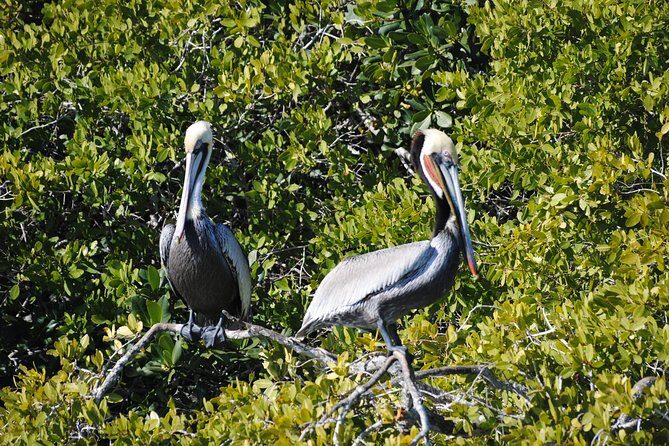
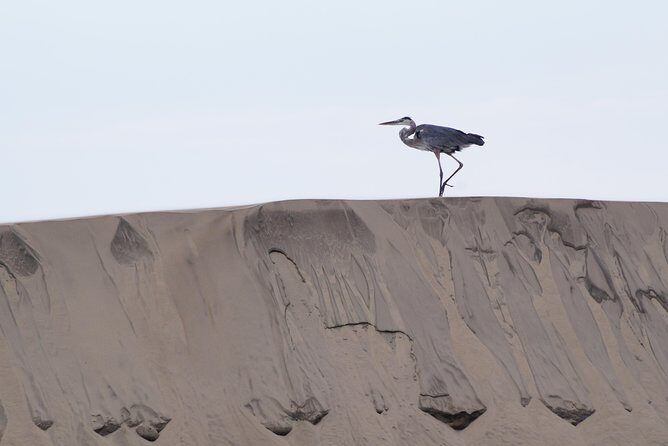
One of the real bonuses of this multi-day setup is that you’re surrounded by more than just whales. Magdalena Bay’s protected environment brings lots of migrating birds, and you’ll likely see them during the boat rides and while cruising near the mangrove channels.
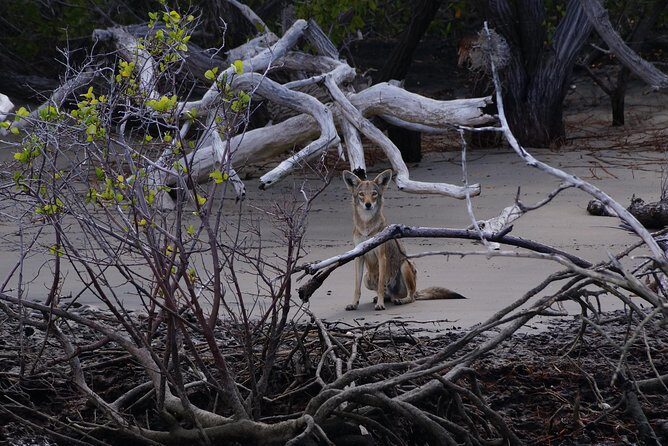
Some accounts list birds like blue herons, ibis, pelicans, and cormorants. There are also mentions of dolphins and even coyotes, which makes sense in a region where land and water wildlife overlap.
If you like nature trips where the “main event” is whales but the supporting cast is just as fun, this is your kind of tour. Two days also means you have more chances for variety, even if whale behavior changes.
The guides: finding whales and handling real-world problems
This tour includes a professional guide, and the operation can be handled by multilingual guides. In accounts tied to this outfitter, you’ll see names like Maria, Andrea, Angie, Carlos, Angelika, and Pablo. You may also meet a boat captain such as Juan Carlos, and in one report Captain Saul adds humor and uses calls/sound cues to get whales’ attention.
What you want from a whale guide is more than facts. You want:
- good scanning and positioning,
- respect for the animals and safe distance,
- and quick decisions when whales change direction.
One of the strongest pieces of confidence comes from a story involving a medical emergency. Guides Carlos and Maria reportedly went beyond the usual scope by driving people to a hospital, staying for hours to interpret and support, then returning to the group and following up afterward. That’s not “tour marketing.” It’s the kind of detail that tells you they take responsibility seriously.
Food and overnight in Lopez Mateos/Mateos: local, filling, and often basic
You sleep in a guesthouse / family-run bed and breakfast in the Mateos/Lopez Mateos area. The food setup feels home-style rather than hotel-buffet style.
From accounts tied to this trip, you can expect:
- lunch with fish and shrimp tacos,
- a dinner that includes lobster and fish,
- breakfast with items like pancakes and eggs,
- plus homemade salsas and guacamole,
- and bottled juices and bottled water.
The lodging is described as simple. Some reports note no TV but free Wi‑Fi. Rooms are sometimes described as sparse but clean, which is a good sign for most travelers who aren’t expecting resort comforts.
The realistic drawback: basic lodging means small issues can pop up. One report called out no hot water in a specific room at the time of stay. So if hot water is a must for you, consider asking ahead of time what rooms typically include.
Boat, comfort, and photography: how close encounters really work
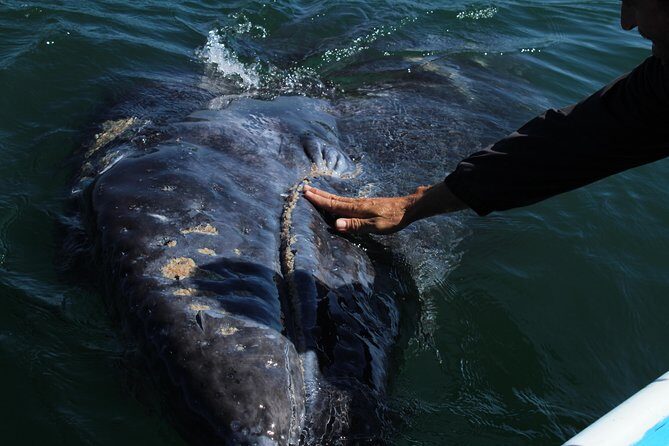
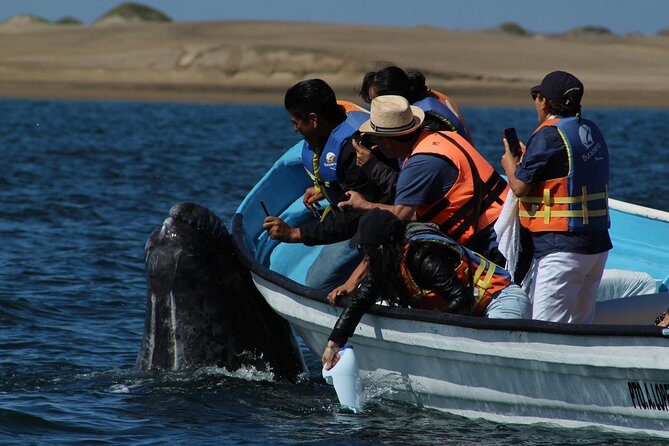
Your main goal is whales, and this tour leans into that with two long windows. When whales are friendly or curious, they may approach closely. Some accounts report extremely close moments—one even described a mother whale brushing the side of the boat, with another guest petting the whale. Those moments are the reason people book this in the first place.
Still, treat closeness as a gift, not a guarantee. The guide’s job is to keep things safe and respectful. A good boat crew also helps you get photos without crowding.
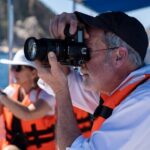
A practical photography note from accounts: some guides and captains focus on the interaction and the viewing, and you may find the crew uses their own camera equipment to capture photos for the group. If you’re a serious photographer, you’ll probably want your own camera too, but be ready for the fact that whale behavior is unpredictable and you’ll spend time waiting, not only shooting.
Also plan for wind and cool air. Even in winter, the water trip can feel sharp.
Value check: who gets the best deal from this 2-day plan
For $799, the best value is for travelers who:
- want two days of whale chances (not one),
- are happy with nature-first travel where comfort is practical rather than fancy,
- enjoy birdlife and marine life, not just whale spouts,
- and want local meals included, so you’re not budgeting every stop.
This may not be the best fit if you:
- want a guaranteed upscale hotel experience,
- dislike early starts and long drives,
- or need very consistent room amenities like hot water at all times.
Should you book Gray Whale-Watching in Magdalena Bay with Cabo Trek?
I’d book it if your top priority is a real shot at gray whales in Magdalena Bay with two different time windows and guided support that focuses on whale-human interaction. The included lodging and meals also make the price feel more reasonable than adding everything up separately.
You should think twice if you’re chasing luxury, perfect room details, or minimum time on the road. This is built for winter wildlife viewing: you’re trading smooth comforts for time in a place where whales actually show up.
My final take: if you can handle a basic guesthouse, a long drive, and cool mornings, this is one of the more complete ways to experience Magdalena Bay’s gray whale season.
FAQ
What’s included in the 2-day experience?
The tour includes a professional guide, two whale-watching tours, breakfast, lunch (2), and dinner, plus overnight accommodation. Transportation is also included.
How long are the whale-watching tours?
Two whale-watching tours are included, each listed as about 2.5 hours in the included section.
Where does the tour start and where does it end?
The meeting point is CaboTrekHotel Tesoro, Blvd. Paseo de la Marina 20-Local A, Centro, 23450 Cabo San Lucas, B.C.S., Mexico. The activity ends back at the meeting point.
What time does the tour start?
The listed start time is 6:00 am.
Is the tour offered in English?
Yes, it is offered in English.
What group size should I expect?
There is a minimum of 4 people and a maximum of 8 travelers.
Do I need hotel pickup?
No, hotel pickup is not included.
How will I receive my ticket and when will I get confirmation?
You receive a mobile ticket. Confirmation is received within 48 hours of booking, subject to availability.
Can I cancel for a refund?
You can cancel up to 6 days in advance for a full refund, with partial refund options available if you cancel closer to the start time.
What lodging type is provided?
You’ll spend the night in a cozy family-run bed and breakfast/guesthouse in the Mateos/Lopez Mateos area.