REVIEW · CABO SAN LUCAS
Cabo San Lucas: 2-Hour Whale Watching Adventure
Book on GetYourGuide →Operated by Cabo Adventures · Bookable on GetYourGuide
A loud dive isn’t the plan.
This Cabo San Lucas whale trip focuses on real whale time: humpbacks and dolphins in the mid-Dec to mid-Apr season, with close viewing from a whale-friendly inflatable boat. It’s built for getting you out quickly and staying in the action.
What I like most is the short, efficient experience. You’re in a small group and on the water fast, which means less time watching other boats and more time watching whales. You also get onboard hydrophone listening, so you’re not just looking—you’re hearing.
One thing to think about: this is not an easy boat for everyone. It’s a high-speed inflatable ride with no onboard bathroom, and it’s not suitable for pregnant women, people with certain back/neck issues, or wheelchair users.
In This Review
- Key highlights worth your attention
- Whale Season in Los Cabos: When You Actually Have a Chance
- From Pickup to Water: How the Timing Really Feels
- The Inflatable Boat That’s Built for Whale-Friendly Viewing
- On the Water: What Happens During the Boat Cruise
- Humpbacks to Watch For: Breaches, Play, and Flukes
- Listening to Whales with the Hydrophone Audio
- Dolphins Are Not an Afterthought Here
- Small-Group Value: Why Fewer Boats Can Mean Better Sights
- Price and Value: What $99 Really Means (Plus Fees)
- What to Bring (So You’re Comfortable and Ready to Shoot)
- Who Should Book This Tour, and Who Should Skip It
- The Best Way to Have a Smooth Day on the Water
- Should You Book This Cabo Whale Watching Adventure?
- FAQ
- When is the best time to see humpback whales in Los Cabos?
- How long is the whale watching experience?
- What wildlife can I expect to see?
- What does the onboard hydrophone do?
- Is snacks and bottled water included?
- What is included in the tour price?
- Are there extra fees besides the $99 price?
- Where are pickup locations and what language are the guides?
- Is the tour suitable for everyone with mobility needs?
Key highlights worth your attention
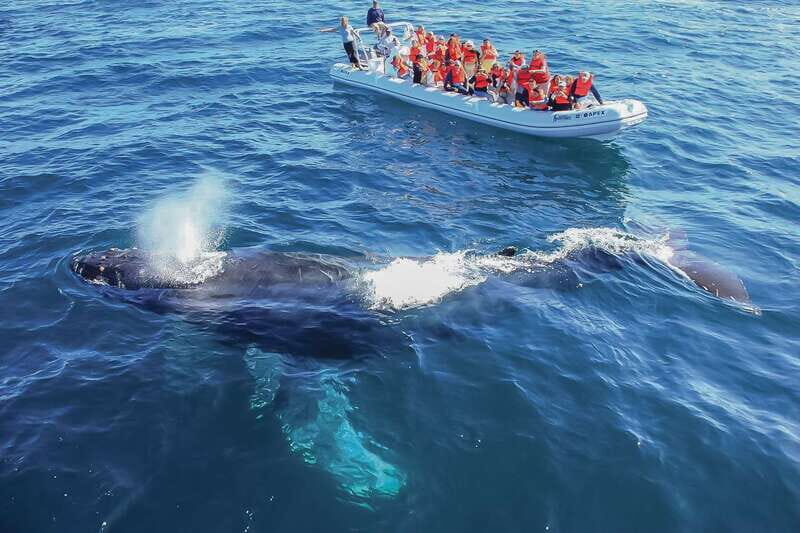
- Mid-December to mid-April is the best window for migrating humpbacks in Los Cabos
- Whale-friendly inflatable boats that aim for safe, close viewing
- Hydrophone so you can listen to whale communication underwater
- Small-group setup for a more personal feel on the water
- You’ll watch breaches and dolphins weaving around the boat
- Snacks and bottled water keep the trip comfortable for a 2-ish hour outing
Whale Season in Los Cabos: When You Actually Have a Chance
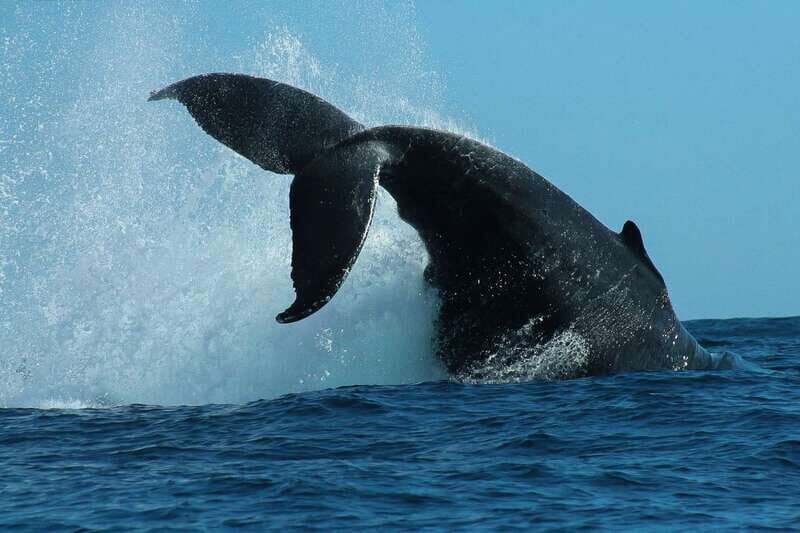
Cabo whale watching is all about timing. The reliable window for seeing migrating whales in the Los Cabos area runs from mid-December through mid-April. That’s when humpbacks move through these waters and start showing up in good numbers.
Once you’re there in season, the goal becomes simple: find whales, follow their pace, and keep your eyes up. Humpbacks aren’t predictable like a theme park schedule. They show up, feed, rest, travel, then change direction. Your best move is to go in ready to adapt.
If you’re traveling during the shoulder months—early December or late April—your odds can drop. Not because the tour is bad. Just because the whales aren’t there yet, or they’re already moving on.
You can also read our reviews of more whale watching tours in Cabo San Lucas
From Pickup to Water: How the Timing Really Feels
You get pickup from two options: San José del Cabo or Cabo San Lucas. After pickup, there’s a van transfer phase of about 1.5 hours, so the total day flow depends on which pickup spot you choose.
After you reach Cabo San Lucas, you’ll do a guided portion that includes safety briefing and scenic views on the way before you head out on the water. The in-water part is listed as about 2.25 hours for the whale watching cruise and sightseeing time, which matches the overall “about two hours” experience marketing.
Practical takeaway: treat this as a half-day outing, not a quick hop. Wear your game-face, pack your warm layer, and plan to be out for a chunk of time once the van wheels start.
The Inflatable Boat That’s Built for Whale-Friendly Viewing
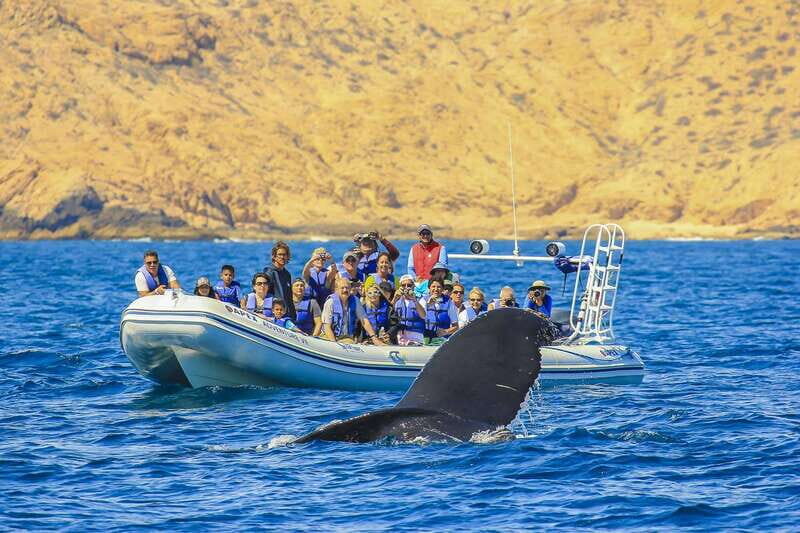
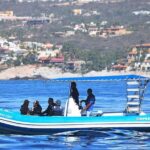
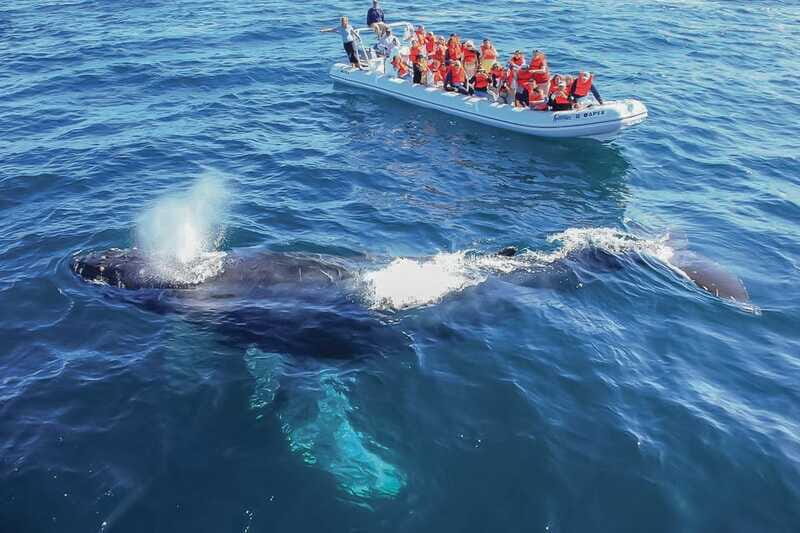
The boat choice matters more than people think. This tour runs on comfortable, high-speed inflatable boats designed to be whale friendly. Inflatable and soft is the key idea here: it’s meant to reduce harsh impact on the water and keep the ride safer and calmer compared with harder, heavier vessels.
It also helps with what you came for: close viewing and better sightlines for photos. The tour is structured around getting out where whales are, then staying in range without turning the experience into a long stampede across the bay.
One more detail that matters when you’re trying to watch and film: fast access. A quick run to the whales increases your chances of seeing whales do multiple behaviors—like a breach and then, later, some surface play. You don’t get that if you spend most of the outing slowly cruising in search mode.
On the Water: What Happens During the Boat Cruise
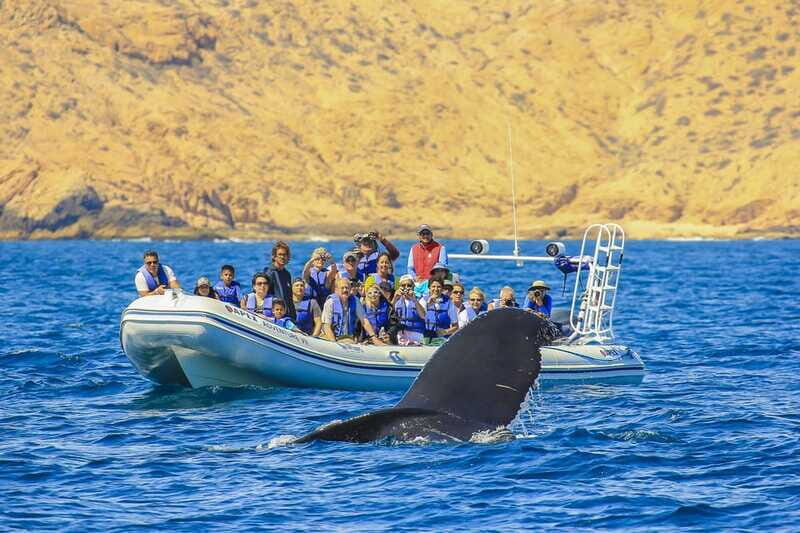
Once you’re aboard, you get a real safety briefing before heading out. Then it’s hands-on whale watching: the guides help you spot animals, explain what you’re seeing, and point you toward likely action without forcing anyone into unsafe stunts.
You’ll also have snacks and bottled water during the cruise, which sounds small but makes a big difference. A whale trip is long enough for people to get chilly, hungry, or both. Having something on board keeps the mood steady.
Group size is part of the value. This is set up for small groups, which usually means less noise and fewer boats clustered around you. When there’s less chaos on the water, you can actually watch—without constantly getting blocked by neighbors.
And yes, you should expect some weather reality. Bring your warm layer and jacket. Even in good Cabo weather, the wind on a boat can feel sharp once you’re moving.
Humpbacks to Watch For: Breaches, Play, and Flukes
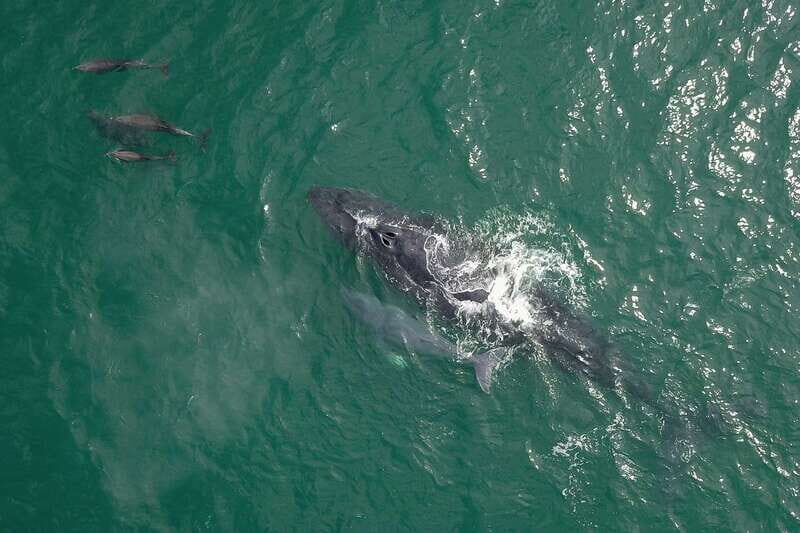
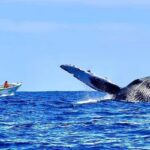
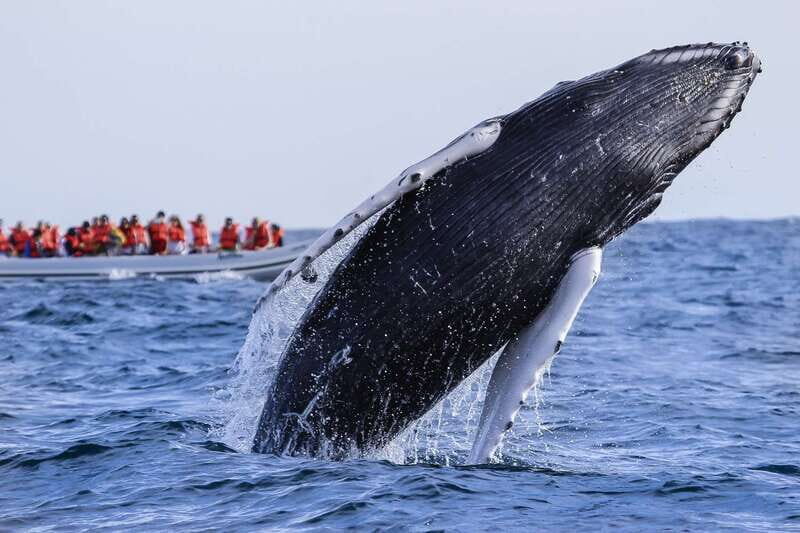
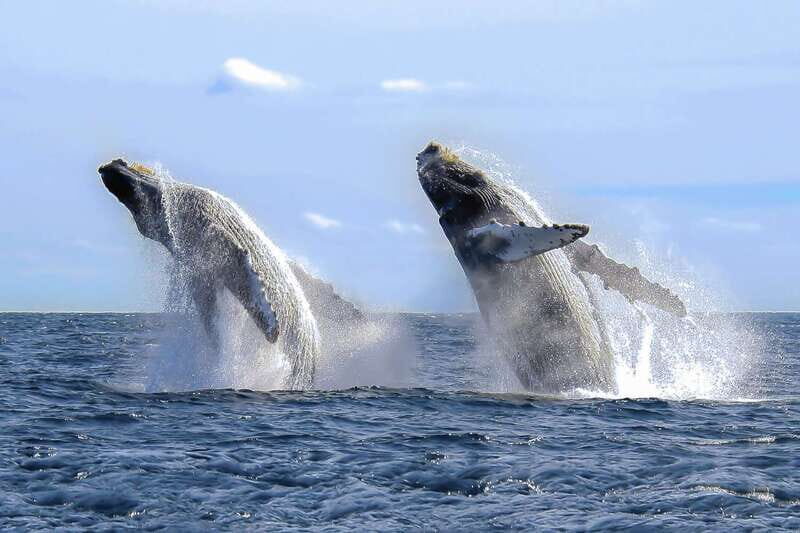
Humpbacks are the star of this tour, and the behaviors you’re most likely to see are the ones that happen at the surface. The tour experience is built around playful humpbacks—things like:
- Breaches: that full-body jump out of the water
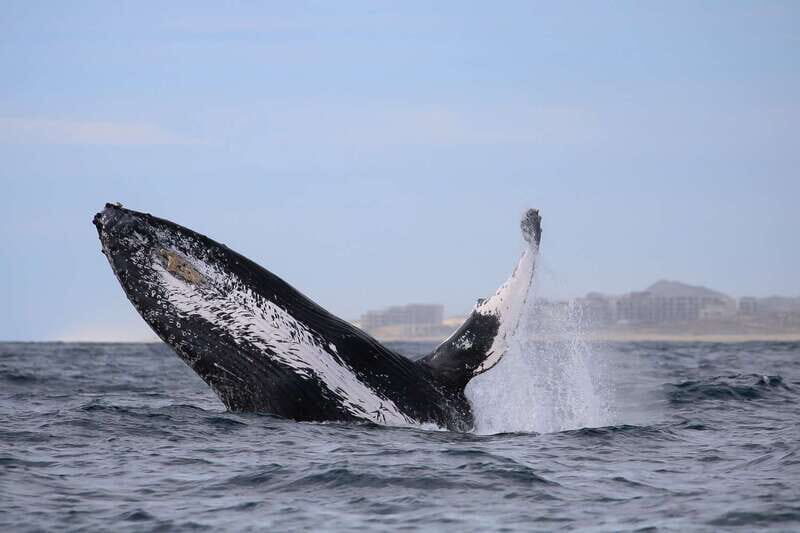
- Surface activity: rolling, flipper display, and general play
- Travel moments: when they change direction and you follow their pace
- Time at the surface: when whales pause long enough for you to watch closely
Here’s what to remember as you watch. Don’t lock onto one whale’s exact position like it’s a dot on a map. Instead, watch for patterns: a whale lifting its head, then a shift in direction, then a burst of movement. When humpbacks do something big, it often comes after a short lead-up of smaller motions.
Guides help with this by telling you what the whale is doing and why it might do the next behavior. It turns the trip from random sightings into a story you can follow.
You can also read our reviews of more tours and experiences in Cabo San Lucas


Listening to Whales with the Hydrophone Audio
One of the most distinctive parts of this experience is the onboard hydrophone. You get hydrophone onboard listening technology, which lets you listen to whale communication underwater.
That changes the whole mood of whale watching. Looking is great, but hearing adds another layer. You start noticing how whales interact with their environment and with each other.
This is also why the tour works well for both first-timers and repeaters. If you’ve seen whales before, hydrophone audio is a “new sense” upgrade. If you haven’t, it gives you more to focus on than just spotting movement.
If you like science-y details without turning the day into a lecture, this is the right kind of tech. It’s practical. It supports what you’re doing outside.
Dolphins Are Not an Afterthought Here
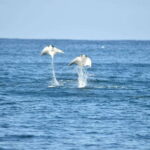
Dolphins usually show up as part of the action, not as a bonus. This cruise is set up to look for dolphins alongside the humpbacks, with chances to see them frolic around the boat.
That matters because dolphins often provide more constant movement. Whales can be more “sit, surface, travel, repeat.” Dolphins can add quick bursts—fast turns, playful weaving, and frequent surface time.
So if you’re taking photos, you get two chances at great shots: whales when the bigger behaviors happen, and dolphins when the action becomes fast and playful.
Small-Group Value: Why Fewer Boats Can Mean Better Sights
One theme that makes this tour feel worth it is how it handles proximity. The setup is described as small groups, and the experience is built around not turning the trip into a crowded boat parade.
Fewer boats helps in two ways. First, it keeps the water more readable, so you can spot spouts and movement sooner. Second, it reduces the stress of constant repositioning.
This is also where the inflatable boat’s performance helps. Getting to whales quickly matters, but it also matters how you arrive: you want to be in range without spending the whole ride stopping and starting in traffic.
If you’re the type who hates getting boxed out by crowds, this format is a strong fit.
Price and Value: What $99 Really Means (Plus Fees)
The listed price is $99 per person for the whale watching adventure. On paper, that’s a straightforward headline number. In real life, you’ll want to budget for the extra required fees:
- $10 USD per person round-trip transportation fee (and $5 for children) due at check-in
- $2 USD dock fee per person required at check-in
- Optional extras like photo packages (not included)
So the true spend is often higher than the $99 headline once you add the transport and dock fees. But the value can still make sense because you’re paying for more than a boat ride: you’re paying for guided whale spotting and the hydrophone experience, plus snacks and bottled water.
If you’re comparing options, I’d measure value by two things:
1) how fast you reach whales, and
2) how much actual “animal time” you get, instead of time spent drifting in hopes.
The boat speed and small-group approach are the reason the math can work.
What to Bring (So You’re Comfortable and Ready to Shoot)
Bring the basics and then upgrade for wind and cold. The tour notes what to pack, and it’s worth following:
- Warm clothing (even if the sun is out)
- Jacket for wind on the water
- Sunglasses
- Sun hat
- Camera (and make sure it’s protected from splashes)
- Extra cash (useful if you want photos or add-ons)
- Clothes suitable if you get wet
Also plan your boarding mindset. This tour requires you to be able to walk and board the boat without assistance. There’s no mention of extra help steps, and there’s no wheelchair access.
One more comfort note: there are no bathrooms on board. Plan accordingly before you head out.
Who Should Book This Tour, and Who Should Skip It
This whale watching experience is a great match for:
- People who want real whale time rather than long downtime
- First-timers who like guided spotting and simple explanations
- Photo lovers who want a boat setup designed for close viewing
- Anyone who will enjoy the hydrophone audio component
It’s not for everyone. The tour is not suitable for:
- Pregnant women
- People with back or neck surgery or injuries
- Wheelchair users and people with mobility impairments
- Anyone who can’t walk and board the boat without assistance
- Children under 5 years (minimum age is 5)
If any of those apply, skip this one. It’s not a value debate. It’s a safety and comfort reality.
The Best Way to Have a Smooth Day on the Water
You’ll have the best experience if you plan like a pro:
- Dress in layers so you can handle sun and wind
- Bring sunglasses to cut glare when whales surface
- Keep your camera ready, but don’t block your own view while you’re waiting
- Listen for guide cues—if they say a whale is likely to surface soon, pay attention
- Stay flexible. The whales are in charge, and the tour is designed to follow them
And don’t treat this like a checklist. The goal is to watch behaviors you can’t fake—breaches, play, and those moments when a whale and dolphin interaction becomes obvious.
That’s when the whole afternoon turns into a memory.
Should You Book This Cabo Whale Watching Adventure?
I’d book it if you’re traveling in mid-December to mid-April and you want a whale experience that feels focused, not chaotic. The small-group feel, fast access on a whale-friendly inflatable boat, plus the hydrophone listening are the reasons it’s strong value for the money.
I’d pass if you need wheelchair access, have limitations around boarding, or you’re pregnant. Also, if the idea of no bathroom on board makes you sweat, plan your timing tightly before you set off.
If you’re okay with dressing for wind, staying flexible, and following the whales rather than forcing a schedule, this tour is the kind of outing that delivers real sightings and real connection—not just a drive-by.
FAQ
When is the best time to see humpback whales in Los Cabos?
Humpback whales are most likely to be seen from mid-December through mid-April.
How long is the whale watching experience?
The experience is described as about 2 hours, and the in-water whale watching portion is listed around 2.25 hours.
What wildlife can I expect to see?
You’re set up to look for migrating humpback whales and dolphins, with chances to see humpbacks breach and dolphins frolic.
What does the onboard hydrophone do?
The hydrophone lets you listen to whale communication underwater during the cruise.
Is snacks and bottled water included?
Yes. Snacks and bottled water are provided during the sail.
What is included in the tour price?
The tour includes a marine guide and hydrophone onboard. It does not include certain transportation and dock fees.
Are there extra fees besides the $99 price?
Yes. There’s a $10 USD per person round-trip transportation fee for adults (and $5 for children) and a $2 USD per person dock fee required at check-in. Optional photos are not included.
Where are pickup locations and what language are the guides?
Pickup is available from San José del Cabo and Cabo San Lucas. The live tour guide speaks Spanish and English.
Is the tour suitable for everyone with mobility needs?
No. It’s not suitable for pregnant women, wheelchair users, and people with back or neck surgery or injuries. You must be able to walk and board the boat without assistance.