REVIEW · CABO SAN LUCAS
Cabo San Lucas: 2.5-Hour Whale Watching Tour
Book on GetYourGuide →Operated by Cabo Trek · Bookable on GetYourGuide
Whale songs carry farther than you think. I love that this tour brings in a marine biologist and uses hydrophones so you can hear humpback calls underwater. I also like the small-group vibe. The one practical catch: there’s no hotel pickup, so you’ll need to get yourself to the marina meeting point.
Cabo San Lucas is one of the places where humpbacks funnel through in winter. The tour focuses on that migration—think 10,000 humpback whales passing through Baja each year from mid-December to mid-April—plus the famous Arch of Cabo San Lucas and a local sea lion area. It’s a lot packed into a 2.5-hour tour, run daily with departures at 8 AM, 11 AM, and 2:30 PM, and capped at limited to 10 participants.
What really makes it feel special is that you’re not just looking. You’re learning in real time, and you’re hearing it too. The boat time is paired with hands-on whale knowledge, and you’ll also get out onto the water with guidance from experienced captains (names like Andre and Freddy show up in guest notes), which matters when you’re trying to stay close while still respecting wildlife.
In This Review
- Key highlights I’d circle before you book
- Humpback migration timing in Cabo San Lucas is the whole game
- Marine biologist + hydrophones: what you hear underwater changes everything
- Small-group sailing (max 10): more room to see, less chaos on board
- The Arch of Cabo and sea lion colony: how the route keeps it interesting
- What to expect on the water during a 2.5-hour outing
- Getting there: the Tesoro Hotel marina meeting point, clearly
- Price and value: does $109 make sense for Cabo whale watching?
- Packing and comfort for a winter boat ride in Baja
- Who should book this Cabo whale watching tour (and who should skip)
- My booking call: should you reserve this tour?
- FAQ
- How long is the whale watching tour?
- What time do tours run each day?
- How large is the group?
- Do hydrophones help you hear the whales?
- Which whales does the guide talk about, and when is the season?
- Where is the meeting point in Cabo?
- Is hotel pickup included?
- Is the tour wheelchair accessible, and who should avoid it?
Key highlights I’d circle before you book
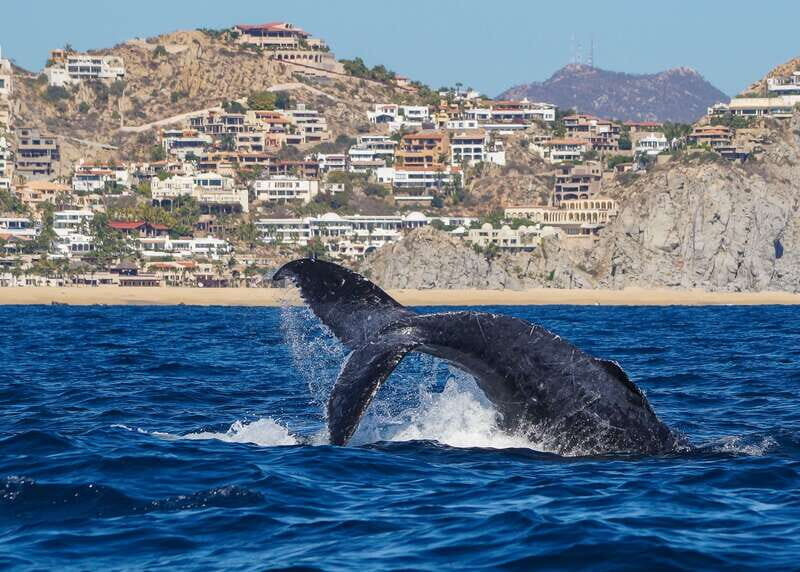
- Hydrophones for whale song: you get to hear the underwater side of the story, not just surface blows.
- Marine biologist-led learning: guides such as Andrea, Angelica, Venusia, and Vanuza are repeatedly praised for clear, real enthusiasm.
- Small-group format (up to 10): more space to move on the boat and actually follow what the guide is pointing out.
- Whale behavior, up close when it happens: from mother-and-calf moments to active slapping and brief underwater passes.
- Cabo classics while you watch: the Arch area and a sea lion colony are built into the route, so it’s not only whales.
Humpback migration timing in Cabo San Lucas is the whole game
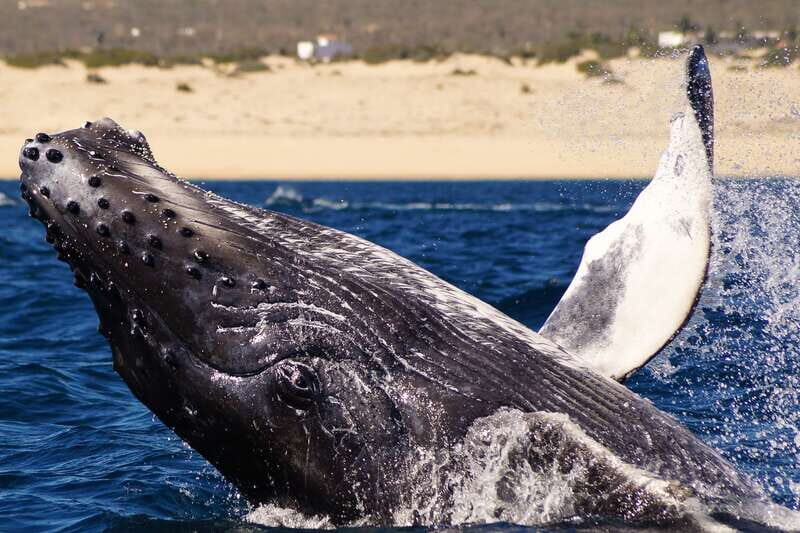
This tour is built around the seasonal migration. Humpbacks pass through Baja California Sur in large numbers, with the tour framing it as about 10,000 humpback whales making the trip each year. The window runs from mid-December to mid-April, which is why Cabo in winter has such a pull for whale watchers.
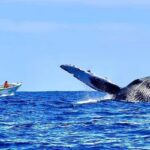
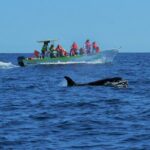
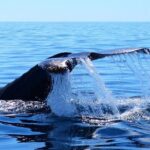
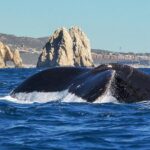
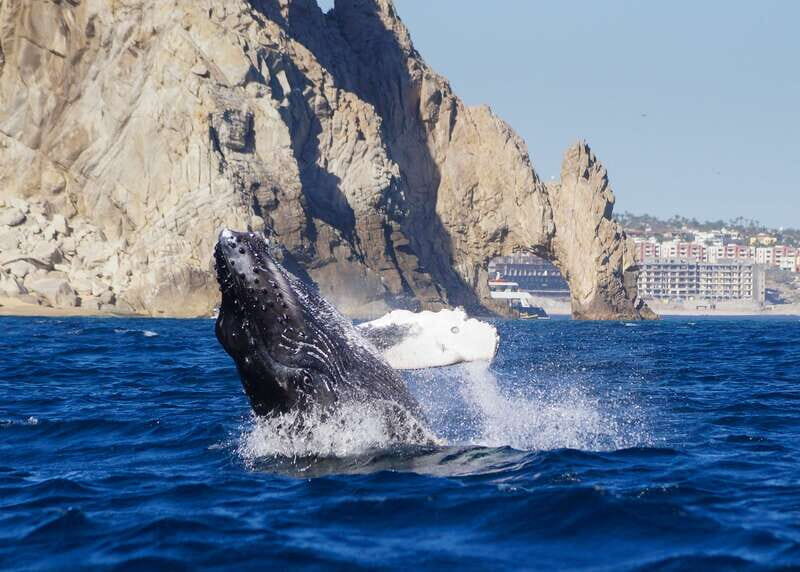
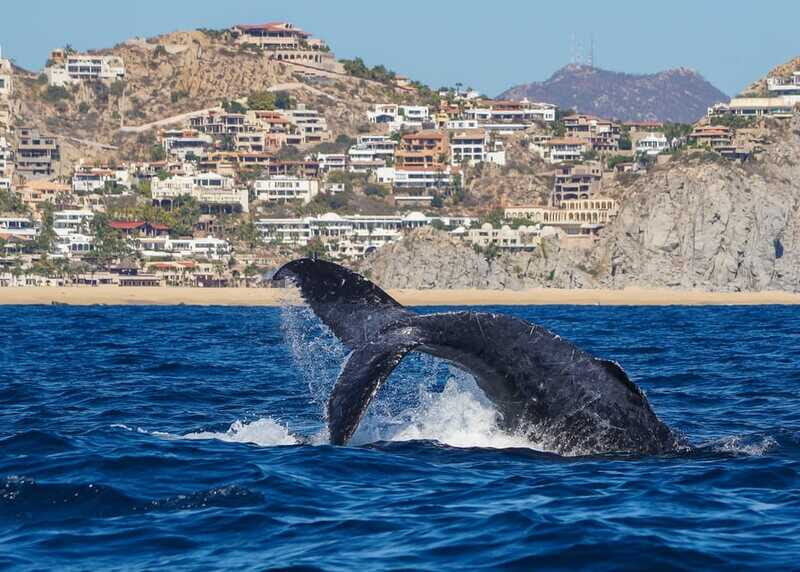
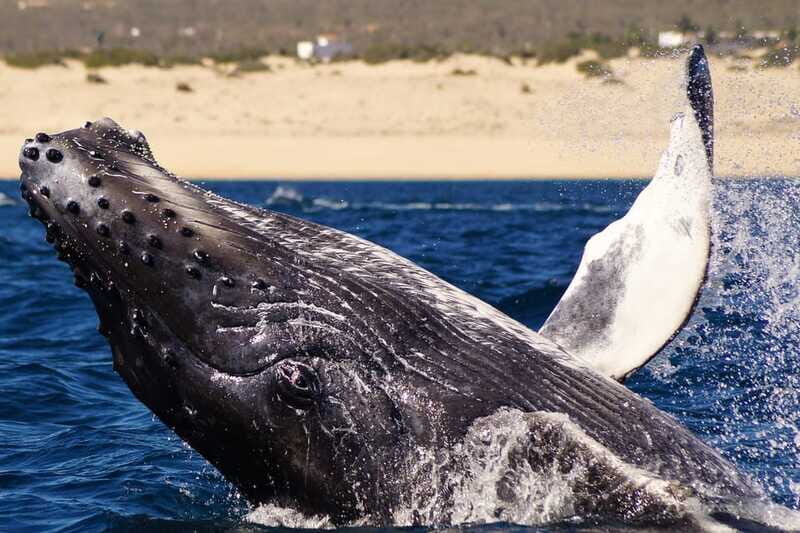
Why does timing matter for you? Because whale watching is never only about luck. When you go during the migration window, you’re stacking the odds that the boat can find active groups—breaching, fluking, tail or fin slaps, and mother-and-calf behavior. In guest experiences, that’s exactly what tends to show up: groups with babies, males competing, and lots of surface activity during some departures.
Also, Cabo can be a place where late-day energy matters. One write-up specifically points out that the late afternoon outing had a lot more action. So if you’re trying to maximize the chance of seeing animated behavior—breaches, close swims, and the kind of moments that make you forget your phone—lean toward the 2:30 PM departure if it fits your schedule.
Just know this: the ocean is the ocean. Even with strong spotting skills, the whales move. What you can control is choosing a time within the migration season and picking a departure that matches your style—morning for a classic outing, later for more energetic sightings.
You can also read our reviews of more whale watching tours in Cabo San Lucas
Marine biologist + hydrophones: what you hear underwater changes everything
A lot of whale watching is visual: spouts, backs, and occasional breaching. What makes this Cabo tour different is the listening. The tour includes hydrophones so you can catch whale calls underwater. That turns the experience from seeing whales to understanding them as living, communicating animals.
The marine biologist role is also more than a lecture. You’re learning in a way that helps your eyes work better. The guide covers humpbacks and gray whales, plus the local sea life, and you’re told what behaviors often mean. In one note, a guide explained that the humpback song can evolve over time and even that the song length changes year to year. That kind of detail doesn’t just sound cool—it gives you context when you hear the calls and watch the rhythm of surface behavior.
What I’d recommend to you: treat hydrophone time like a focus moment. Put your phone away, keep your posture steady, and listen the way you would at a live concert. The point isn’t just to confirm whales are there. It’s to understand that there’s a whole communication channel below the surface.
If you’re the type who usually asks how animals behave, this is a great fit. One of the consistent themes in guest comments is that the guide’s enthusiasm is contagious—people mention the guide’s passion making the science feel real, not packaged.
Small-group sailing (max 10): more room to see, less chaos on board
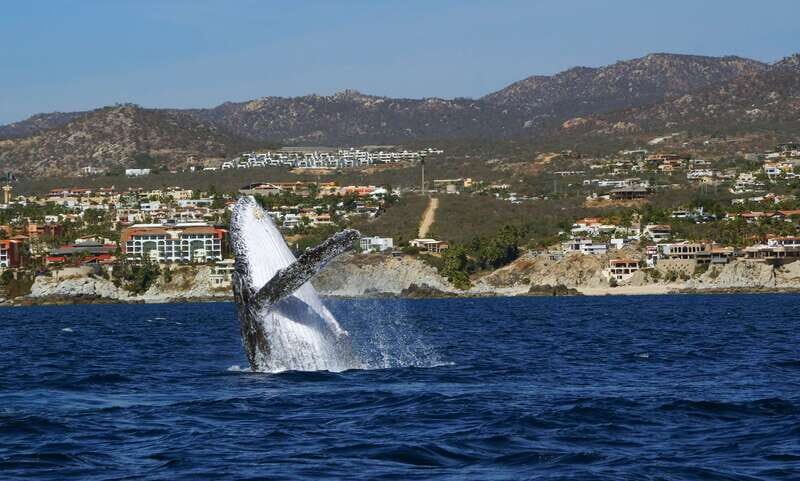
This is a small-group tour, limited to 10 participants. That might sound like a marketing line, but on a boat it matters fast. With fewer people, you have an easier time shifting your viewpoint when whales surface unexpectedly. You’re also more likely to get a clear explanation of what the guide is seeing rather than listening from the back while someone stands in your sightline.
The tour also runs for 2.5 hours, which is long enough to find whales, but short enough that you’re not stuck out there all day. That timing hits a nice sweet spot in Cabo. You can do this in winter without turning your whole vacation into a single activity.
Practical win: life jackets are included. Bottled water is included too. So you’re starting the trip with the basics already sorted, and you’re free to focus on sun protection and comfort rather than scrambling for gear.
And yes, the boat captain’s role really shows up in feedback. Guests mention captains like Andre and Freddy for getting the group into position and for keeping everyone safe. When the whales are active, your spacing and stability matter. A good captain helps you see more while keeping the ride controlled.
The Arch of Cabo and sea lion colony: how the route keeps it interesting
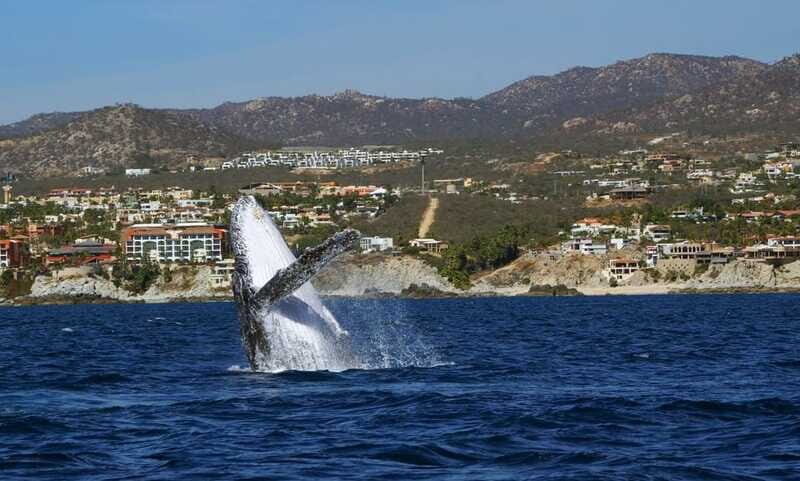
Even if whales are the star, you’ll still want the rest of the trip to feel like Cabo—not just a straight line to wherever the whales are.
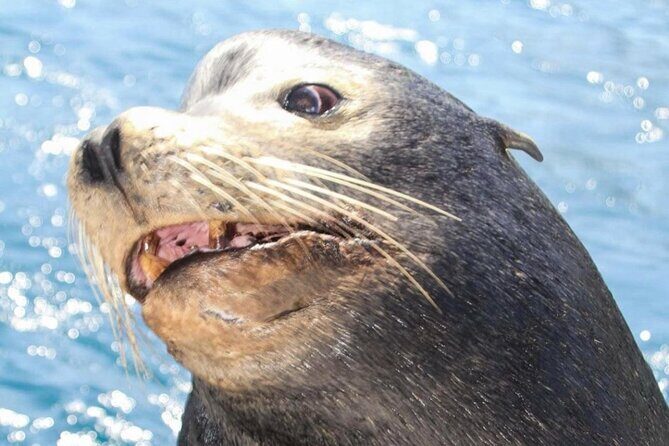
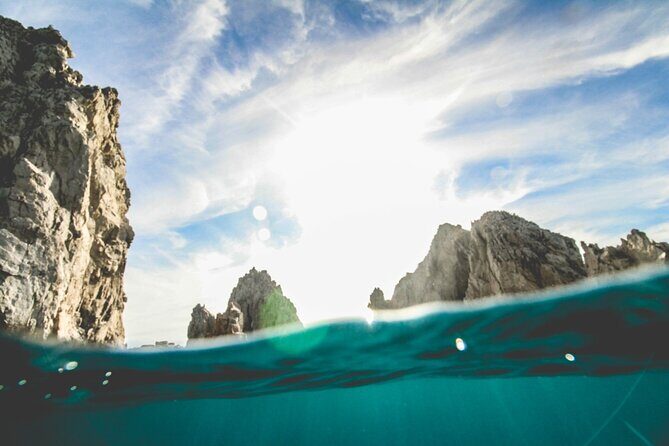
This tour includes time near the Arch of Cabo San Lucas and a local sea lion colony. Think of it as a mix of big famous landmark viewing plus a secondary wildlife moment that doesn’t rely solely on whale behavior.
Why that’s valuable: it reduces the “one-note” feeling. If the whales are being a bit shy at a moment, you’re not sitting there with nothing to watch. You can still enjoy coastline scenery and sea life nearby, and you’re already learning how different species use this coastal environment.
Also, it makes the trip feel more like an actual Cabo morning or afternoon out on the water. You’re not only chasing spouts. You’re seeing the iconic setting that makes Cabo worth visiting in the first place.
What to expect on the water during a 2.5-hour outing
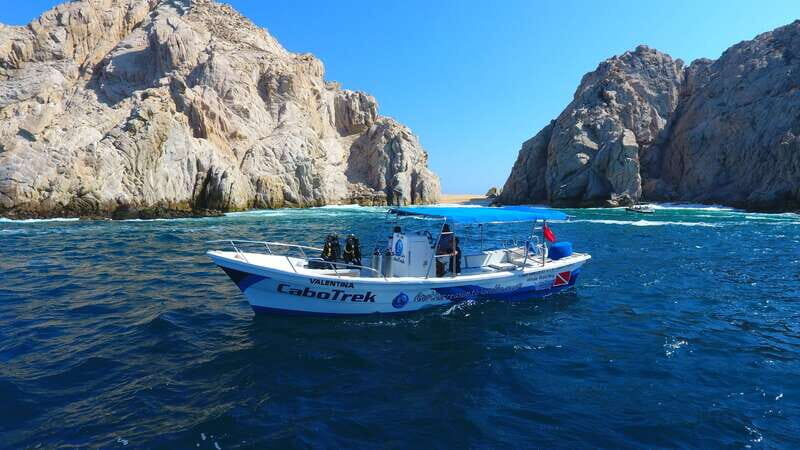
The schedule is simple, but the experience tends to move in bursts. Here’s the flow in plain terms based on how these trips typically run and what’s been described.
1) Meet at the marina office and board.
You’ll meet at the local partner office inside the Tesoro Hotel on the marina. After that, you get geared up and head out.
2) Whale searching + positioning guided by the biologist.
Once underway, the captain works to get the group to where whales are. The biologist watches the behavior as well, so you’re not just seeing a shape; you’re getting the “what you’re looking at” explanation. When humpbacks are active, guests report lots of surface moments—breaches, visible flukes, and slow swims right beneath or near the boat.
3) Hydrophones time when whales are calling.
When the whales are in range, you can listen through hydrophones. This is when the tour often feels most unlike standard whale watching. Hearing calls underwater helps you connect behavior to communication.
4) Cabo landmarks and sea lion time.
Along the route, you’ll also take in the Arch of Cabo San Lucas area and the sea lion colony, so the full 2.5 hours feel like more than just one patch of ocean.
5) Back before you burn the whole day.
You’re done in 2.5 hours, which is a nice fit if you want to keep your other plans intact—dinner, a beach stroll, or one more Cabo stop afterward.
One last point: in the most excited write-ups, whales come close and behave in ways that make you feel like you’re watching something you’d only see in documentaries. Not every day is like that, but going in season plus having a skilled captain and a focused guide gives you your best shot.






Getting there: the Tesoro Hotel marina meeting point, clearly
No hotel pickup means you’ll want an easy plan to arrive on time. The meeting point is inside the Tesoro Hotel on the marina of Cabo San Lucas, at Blvd. Paseo de la Marina 20, Centro, Marina, 23450 Cabo San Lucas, B.C.S., Mexico.
Here’s how to find it without stress:
- Look for the office inside the Tesoro Hotel.
- The closest dock is M-0.
- Look for the Tequila Lighthouse near the office.
- The meeting point is behind Carlito’s Cantina.
My tip: give yourself buffer time. The marina area can be busy, and you’ll feel better once you’ve located the office before check-in. If you’re coming from downtown, this is one of those situations where walking a few extra minutes to confirm the landmark beats rushing.
Price and value: does $109 make sense for Cabo whale watching?
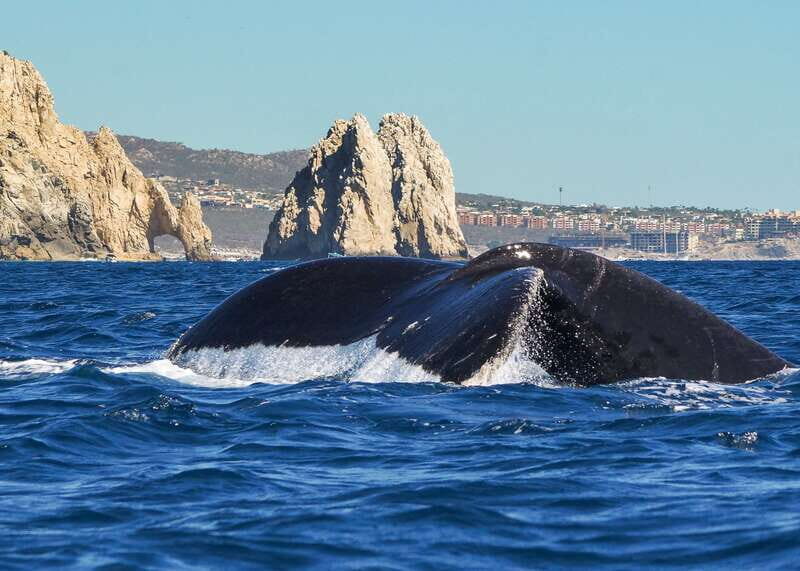
At $109 per person for a 2.5-hour tour, the question isn’t only price. It’s what’s included and how the experience is structured.
You’re getting:
- A life jacket
- A specialized marine biologist guide
- Bottled water
- Hydrophones for underwater listening
- A small group capped at 10
In practice, that means you’re paying for both the wildlife time and the interpretation time. Many tours are just “go look.” Here, you’re paying for a guide who can explain humpback and gray whale behavior, plus an audio component that turns whale watching into a fuller sensory experience.
Is it expensive compared with basic boat trips? Sure. But if whales and understanding them are the reason you came to Cabo, this format tends to feel worth it—especially when whales behave actively. If you’re the type who likes learning and not just watching from afar, the value leans even stronger.
Packing and comfort for a winter boat ride in Baja
This is a simple packing list, but it’s worth taking seriously. You’ll be on the water, likely with wind and sun bouncing off the sea.
Bring:
- Sunglasses
- A sun hat
- A jacket
- Comfortable clothes
Even in warm Cabo weather, a jacket is smart because marine breezes can cool you down once you’re moving. And you’ll want comfortable clothes since you’re likely changing your stance to see whales at the surface.
Also note: the tour is not suitable for pregnant women, people with back problems, or people with heart problems. And it is wheelchair accessible, so if you need mobility support, this is a place to ask about how the boat handles boarding for your specific needs.
Who should book this Cabo whale watching tour (and who should skip)
This tour fits you best if:
- You want real whale education, not just a quick explanation
- You care about hearing whale calls through hydrophones
- You prefer a smaller group where you can move and see
- You’re visiting during the winter migration window (mid-Dec to mid-April)
It may not be your best match if:
- You need hotel pickup, since none is provided
- You fall into the not-suitable categories listed for health and mobility concerns
- You’re sensitive to sun and wind and might not be able to dress with the jacket and hat suggested
If you’re traveling with someone who’s more into facts than “wow,” this tour still works because the biology is tied to what you’re seeing and hearing. And if you’re on a first Cabo trip, the Arch and sea lion colony add a classic local flavor beyond whales alone.
My booking call: should you reserve this tour?
If you want a whale watching experience that’s more than surface spouts, I think this is a strong choice. The combination of hydrophones, a marine biologist, and a small group capped at 10 makes it feel personal without being fussy.
Book it if your dates fall in mid-December through mid-April and you can get yourself to the Tesoro Hotel marina meeting point. If you’re worried about timing, pick the slot that fits your energy. If you care about active behavior, the later 2:30 PM departure has been linked with more action.
If you can handle a boat ride, pack a jacket, and want to leave knowing more than you arrived, you’re exactly the kind of traveler this tour is built for.
FAQ
How long is the whale watching tour?
It lasts 2.5 hours.
What time do tours run each day?
Tours operate daily at 8 AM, 11 AM, and 2:30 PM.
How large is the group?
The group is limited to 10 participants.
Do hydrophones help you hear the whales?
Yes. The tour includes hydrophones so you can listen to whales underwater.
Which whales does the guide talk about, and when is the season?
The migration period highlighted for humpbacks is mid-December to mid-April, and the guide covers humpback whales and gray whales along with other local sea life.
Where is the meeting point in Cabo?
Meet at the local partner’s office inside the Tesoro Hotel on the marina of Cabo San Lucas, at Blvd. Paseo de la Marina 20, Centro, Marina. Look for the Tequila Lighthouse near the office, behind Carlito’s Cantina, and use dock M-0 as the closest reference point.
Is hotel pickup included?
No. Hotel pickup and drop-off are not included.
Is the tour wheelchair accessible, and who should avoid it?
It is wheelchair accessible, but it is not suitable for pregnant women, people with back problems, or people with heart problems.