REVIEW · LOS CABOS
Los Cabos 3-Hour Certified Scuba Diving Tour
Book on GetYourGuide →Operated by Cabo Adventures · Bookable on GetYourGuide
Sea of Cortes scuba can feel like a postcard you can touch. I love the chance to do two tank stops with a small group, so you get more time underwater and less time herding gear. I also like that the plan is built around varied seascapes—shipwrecks, caves, reefs, and sand falls—so you’re not just repeating the same scene twice.
One caution: the headline price is only part of your budget. You may want to plan for the onsite equipment rental fee, optional photos, a round-trip transport charge, plus a small dock fee when you check in.
In This Review
- Key things I’d plan for before you go
- Getting to Cabo’s Marine Playground: Pickup and the Van Ride
- Price and Value: What $129 Really Buys You
- Sea of Cortes Conditions: Visibility, Water Temps, and Timing
- Your Underwater Plan: Two Tank Stops Near Cabo San Lucas
- What You’ll See Underwater: Shipwrecks, Caves, Reefs, and Sand Falls
- Wildlife Encounters: From Eels to Turtles (and How to Spot Them)
- Boat Day Reality Check: Timing, Crew Organization, and Comfort
- Gear, Fees, and the Stuff You Need to Bring
- Who Should Skip This Tour (Medical and Mobility Limits)
- Best Ways to Get More Out of a Short 3.5-Hour Experience
- Should You Book This Los Cabos Underwater Scuba Tour?
- FAQ
- How long is the Los Cabos certified scuba tour?
- How many tank stops are included?
- Where does pickup happen?
- How big is the group?
- What is the equipment rental cost if I need gear?
- Is transportation included in the price?
- Are towels included?
- Do I need my certification card?
- What fees should I expect at check-in?
- What months are best for visibility and calm weather?
Key things I’d plan for before you go
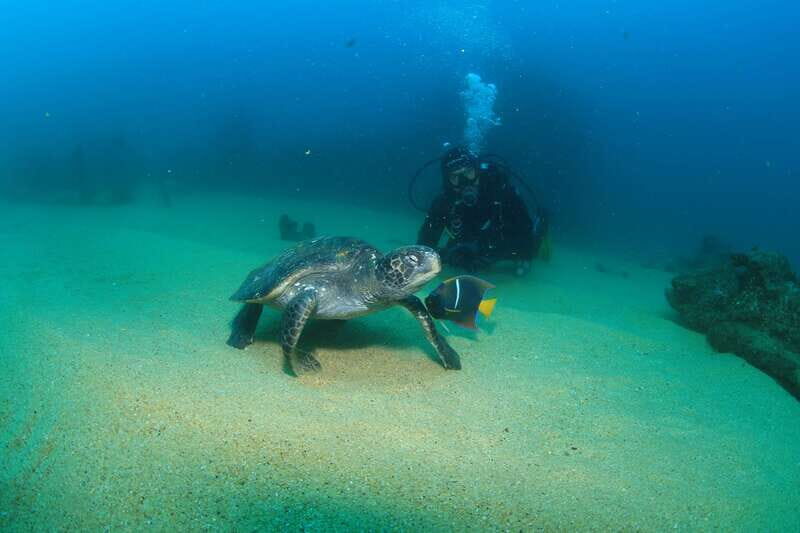
- Two tank stops near Cabo San Lucas, guided by a scuba professional
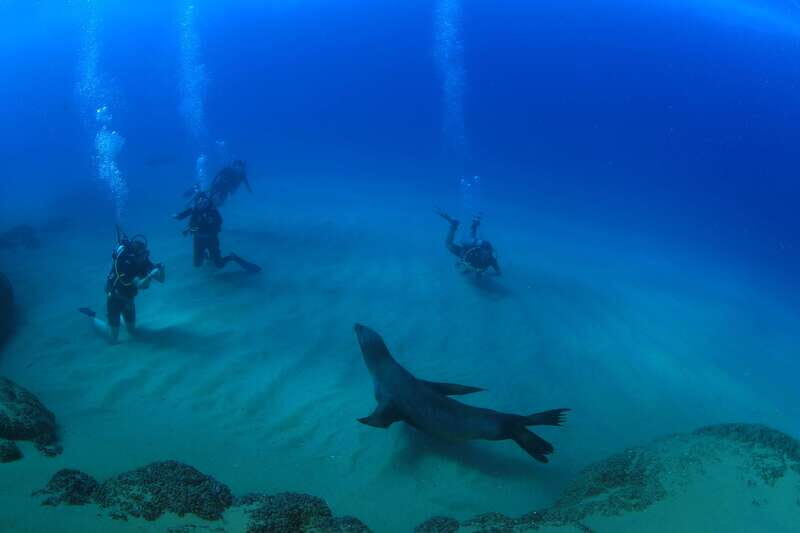
- Small group of up to 6 for a calmer, more controlled experience
- Sea of Cortes conditions often run clear and warm, especially June to December
- Wildlife you might see like eels, stingrays, turtles, and mobula rays
- Site variety across shipwrecks, caves, reefs, and sand falls
Getting to Cabo’s Marine Playground: Pickup and the Van Ride
Your day starts with pickup from either San José del Cabo or Cabo San Lucas, then a van transfer that takes about 1.5 hours. This matters because you’re not just jumping in a car and hoping for the best—you’re getting carried from town to the water with a schedule that keeps the rest of the day on track.
The provider uses a white Cabo Adventures van, so if you’re watching for your ride, that color detail is worth keeping in mind. Once you reach Cabo, you’ll shift into the guided rhythm: cruise time, safety talk, and getting everyone organized before you head underwater.
You can also read our reviews of more scuba diving tours in Los Cabos
Price and Value: What $129 Really Buys You
The listed price is $129 per person for the core experience: a guided outing and two tank stops with a scuba professional. For many people, that’s the real value driver here. Two tanks in one short half-day means you spend less time paying for “just getting ready” and more time actually exploring underwater habitats.
But you should budget for add-ons that are not optional if you need them. Equipment rental is $40 per person (onsite), photos are optional, and towels aren’t included. On top of that, there’s a $10 per person round-trip transportation fee unless you’re already covering that in a package, and a $2 per person dock fee required at check-in.
If you’re comparing costs, the quick way to judge value is this: are you bringing your own equipment (and want to), or do you prefer renting through the operator? If you’re renting anyway, the tour price plus the rental still often feels reasonable for a guided two-stop plan with a small group.
Sea of Cortes Conditions: Visibility, Water Temps, and Timing
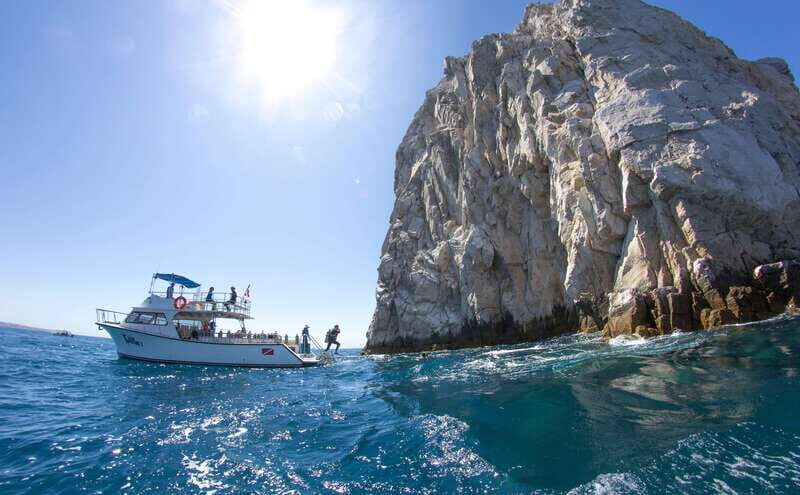
One of the most practical reasons to pick this tour is the consistency of conditions. The Sea of Cortes typically stays great all year round, and June through December is the sweet spot for warmest water, best visibility, and more stretches of calm weather.
Visibility can run over 100 feet, which is a big deal when you want to actually see what’s going on around you instead of scanning a dim blur. Water temperature averages 78–85°F, meaning you usually won’t feel like you’ve joined the world’s most uncomfortable cold-water challenge.
Your Underwater Plan: Two Tank Stops Near Cabo San Lucas
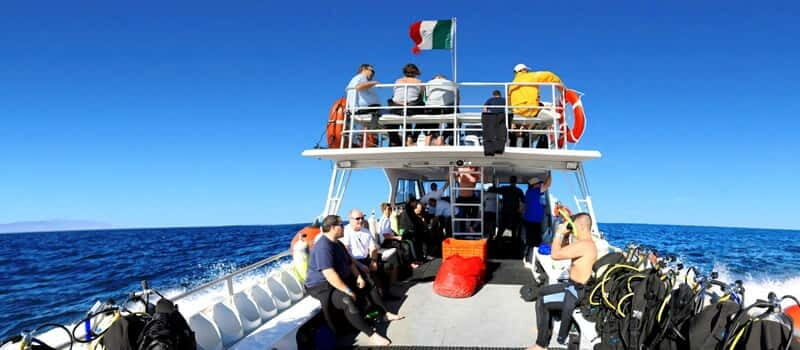
This is designed for certified beginner scuba participants, and that comes through in the structure: two tank stops across about three hours of underwater time total. You’ll start with a guided safety briefing, then head out on the boat to start exploring.
What I like about this style is that it balances variety with simplicity. Instead of trying to cram in a marathon schedule, you get two meaningful sessions at locations near Cabo San Lucas, so you can compare sites and still keep your energy for enjoying the scenery and wildlife.
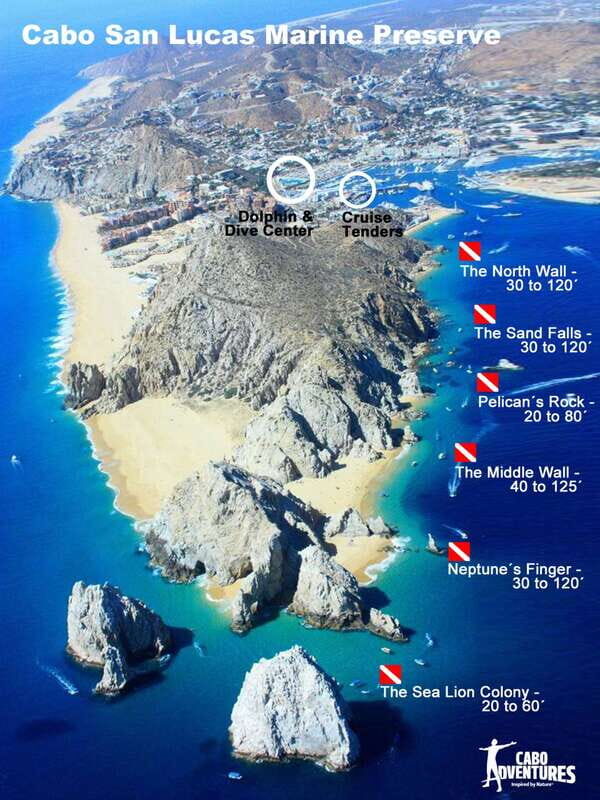
You may see a mix of spots such as Pelican Rock, Land’s End, Neptune’s Finger, the North Wall, and the Sand Falls. Even if you don’t know what each one looks like from the surface, the tour’s overall theme is clear: big underwater features, clear viewing, and a chance at multiple marine-life encounters.
What You’ll See Underwater: Shipwrecks, Caves, Reefs, and Sand Falls
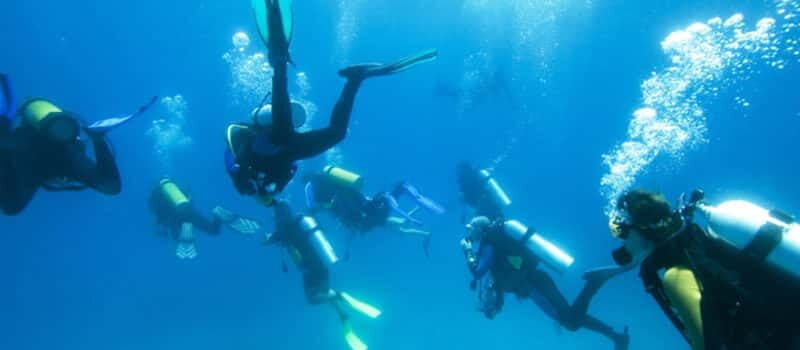
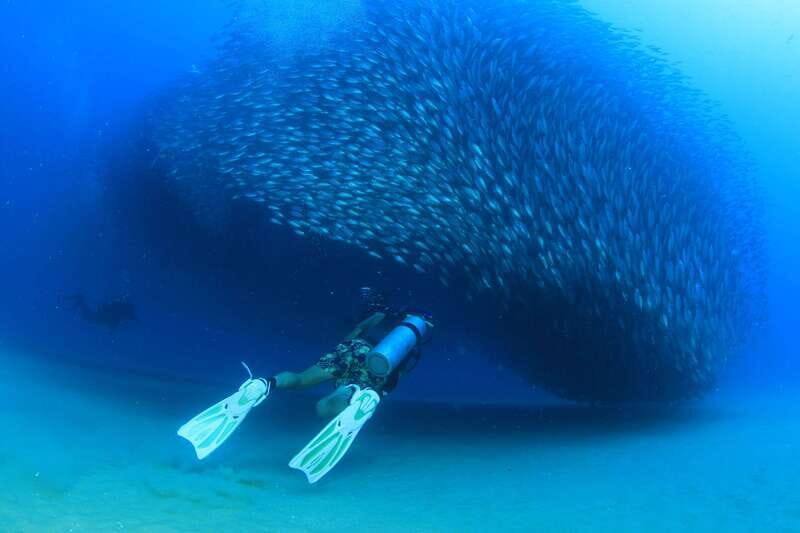
The main underwater promise is variety. You’re looking at a mix of shipwrecks, caves, reefs, and sand falls—the kind of features that make photos worth taking and also make you slow down to actually look.
If you’re the type who gets bored when the scenery is repetitive, this helps. Giant boulders covered with sea fans sound like a background detail, but underwater they change everything: they create shelter lines for fish and give you something solid to orient around.
You might also spot sponges and gorgonian coral. That’s the sort of texture that makes the water feel alive even when the animals aren’t in your immediate bubble range.





Wildlife Encounters: From Eels to Turtles (and How to Spot Them)
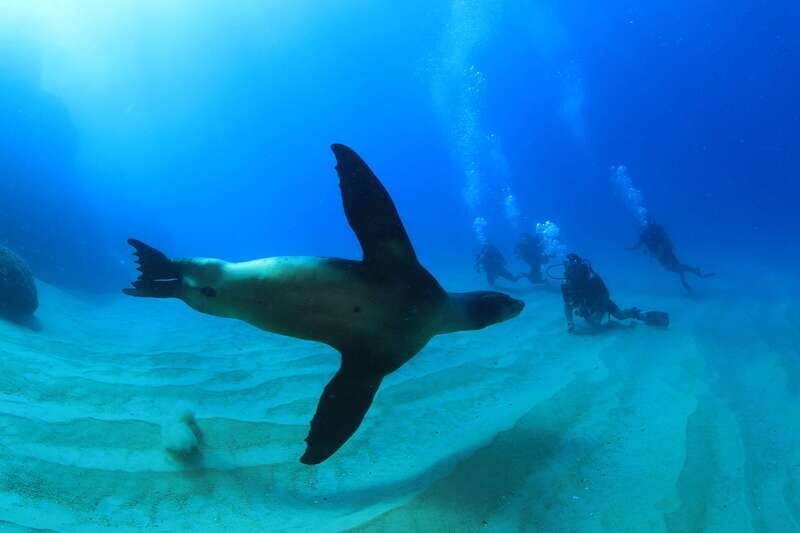
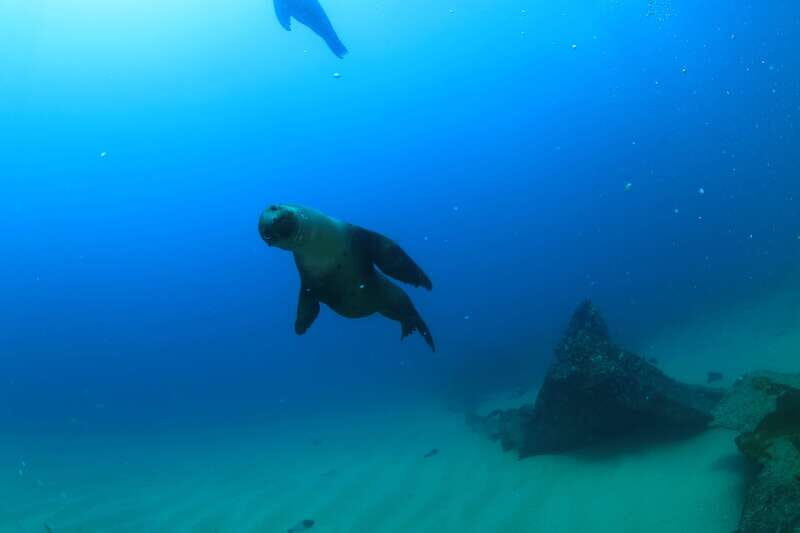
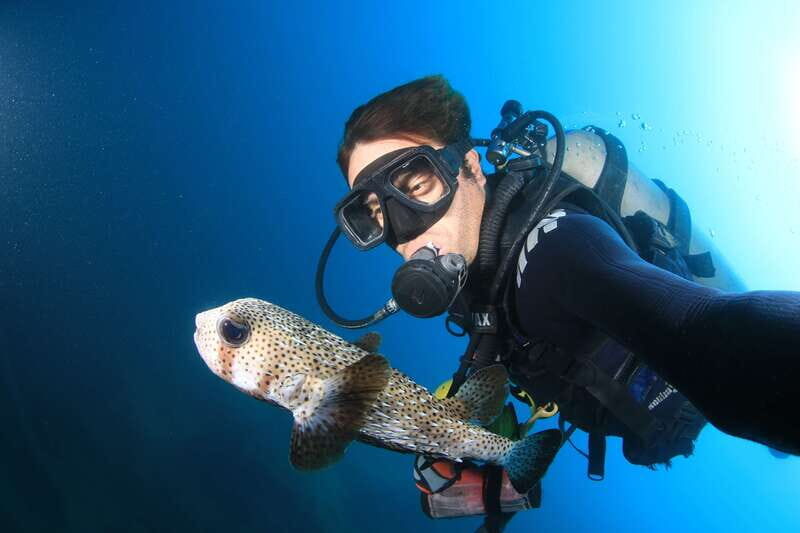
This tour is built around the idea that you won’t just see fish—you’ll likely see different kinds of marine life moving through the area. The list includes tropical fish, eels, stingrays, and turtles, plus sometimes mobula rays and guitarfish passing by.
I like the wording here because it’s realistic. You can’t control what animals show up, but you can control whether you’re in the right habitats and at the right time. When you swim near boulder fields and reef structures, you’re putting yourself where animals tend to feed, rest, or transit.
Practical tip: keep your head on a slow scan. If you stare at one patch too long, you can miss the pass-by moments like turtles or rays. A gentle sweep is usually better than a frantic chase.
Boat Day Reality Check: Timing, Crew Organization, and Comfort
Even though the schedule is short—3.5 hours total—you’re not rushed in a chaotic way. The boat operation is described as clean and organized, and that matters because a calm deck usually leads to fewer stress moments when it’s time to suit up and get your checks done.
Once onboard, you’ll get guided support: safety briefing, wildlife viewing from the surface, and then the underwater sessions themselves. With a group limited to 6 participants, you’re more likely to get real attention rather than feeling like you’re part of a conveyor belt.
If you’re prone to motion sickness, still take it seriously—this is a boat day with enough time on the water to matter—but the schedule is structured enough that you’re not stuck out there for hours longer than planned.
Gear, Fees, and the Stuff You Need to Bring
Here’s where you’ll want to be ready, because a few key items affect your day.
What’s on the Bring list:
- Passport or ID card
- Sunglasses
- Swimwear
- Towel
What’s required to participate:
- You must meet PADI medical requirements and sign a waiver.
- You must bring your certification card to show the scuba guide at each underwater stop.
If you need equipment, rentals are available onsite for $40 per person, and towels are not included. If you’re picky about fit (most people are), go with the onsite rental and take five minutes for fit adjustments. A strap that’s slightly off can turn a pleasant tank into a constant annoyance.
Also budget for the small but real fees: the $2 per person dock fee at check-in. It’s quick, but it’s the kind of fee that surprises people who only look at the main tour price.
Who Should Skip This Tour (Medical and Mobility Limits)
This isn’t a “maybe it’ll be fine” kind of activity. The provider lists several groups who should not take the tour, including pregnant women, people with heart problems, wheelchair users, and people with diabetes, as well as anyone who has had recent surgery.
They also note guests should not have asthma or diabetes, and you’ll be asked about your medical situation during the waiver process. If you’re unsure, check with your doctor before you book, because the tour is tied to PADI medical standards.
If you fit the criteria, this is a good path for certified beginner divers because the plan focuses on guided structure and two organized underwater sessions instead of trying to do too much.
Best Ways to Get More Out of a Short 3.5-Hour Experience
This tour is short by design, so you’ll enjoy it more if you mentally shift from sightseeing to underwater attention.
Bring your essentials so you’re not scrambling after pickup.
- Have sunglasses ready for the boat ride.
- Come in swimwear so you lose less time.
- Bring a towel since the tour doesn’t provide one.
Also, keep your expectations tuned to what this style of tour does well: guided two-stop variety, marine-life viewing, and feature-based underwater habitats. If you go in expecting the same thing every minute, you’ll feel bored. If you go in ready to look around calmly, the shipwrecks, caves, reefs, and sand falls will do the work of keeping your eyes busy.
Should You Book This Los Cabos Underwater Scuba Tour?
I’d book it if you want a small-group experience, you’re certified for beginner-level scuba, and you want two tank stops in Sea of Cortes waters with a clear focus on underwater features and wildlife. The price is fair for what’s included, as long as you’re honest about the add-ons: equipment rental, possible photo costs, transport charges, and the dock fee.
I’d skip it if you’re in any of the listed risk categories (medical limits or mobility limits), or if you’re trying to keep costs ultra-tight and don’t want to pay for rental gear or transportation.
If you want a short, well-run half-day that gives you real underwater variety near Cabo San Lucas, this is a solid choice.
FAQ
How long is the Los Cabos certified scuba tour?
The total duration is about 3.5 hours.
How many tank stops are included?
You get 2 tank dives as part of the experience.
Where does pickup happen?
Pickup is offered from selected areas in either San José del Cabo or Cabo San Lucas.
How big is the group?
It’s limited to a small group of up to 6 participants.
What is the equipment rental cost if I need gear?
Equipment rental is $40 USD per person, paid onsite.
Is transportation included in the price?
Round-trip transportation is not included. There is a $10 USD per person round-trip transportation fee ($5 for children).
Are towels included?
No, towels are not included.
Do I need my certification card?
Yes. You must bring your dive card and show it to the dive master at each dive.
What fees should I expect at check-in?
A $2 USD per person dock fee is required at check-in.
What months are best for visibility and calm weather?
June to December typically offer the greatest visibility, warmest water, and longest periods of calm weather.