REVIEW · CABO SAN LUCAS
Beginner Scuba Diving in Cabo San Lucas
Book on Viator →Operated by Manta Scuba Diving · Bookable on Viator
Your first underwater minutes start calm here. This beginner scuba experience in Cabo San Lucas pairs PADI-certified guidance with a small-group setup, so you learn the basics before going to two memorable local spots.
I especially like the hands-on skills practice right after gear fitting, where you can build confidence fast. And I like that the package includes tanks and weights plus bottled water, so you spend less time chasing logistics and more time on the water.
One possible drawback: you might feel ear pressure if you are tense or slow to equalize, and the team follows strict safety routines for slow ascent. If you have had trouble with pressure changes before, plan extra patience and tell your instructor early.
In This Review
- Quick hits before you go
- Cabo San Lucas beginner scuba: why this is a good first try
- Price and what you really get for $142
- Meet at the marina: check-in, forms, and your instructor intro
- Gear day: how the setup helps you relax
- On the boat: communication rules and safety procedures
- Skills practice first: where confidence comes from
- Stop 1 at the shop: training logistics that save time
- Stop 2 at the Arch of Cabo San Lucas: what the underwater time feels like
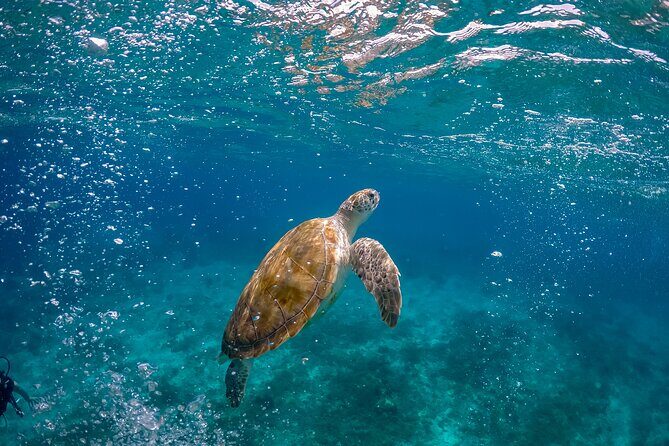
- Marine life you can realistically hope to see
- Comfort and safety: ear pressure, slow ascent, and staying in control
- Group size and instructor attention: why it feels personal
- Who should book, and who might want a different plan
- Tips that make your first underwater session smoother
- Should you book? My take on value and fit
- FAQ
- How long is the beginner scuba experience?
- What is the price per person?
- What does the price include?
- What is not included in the base price?
- Where do I meet for the tour?
- What is the minimum age?
- Is it offered in English?
- How many people are in the group?
- What safety or health requirements should I know?
- Can I cancel and get a refund?
Quick hits before you go
- PADI-certified instruction focused on staying relaxed and learning signals before you go deep
- Max 4 travelers so you get close attention and fewer people to manage
- Practice first, then swim with a short boat ride and clear safety procedures
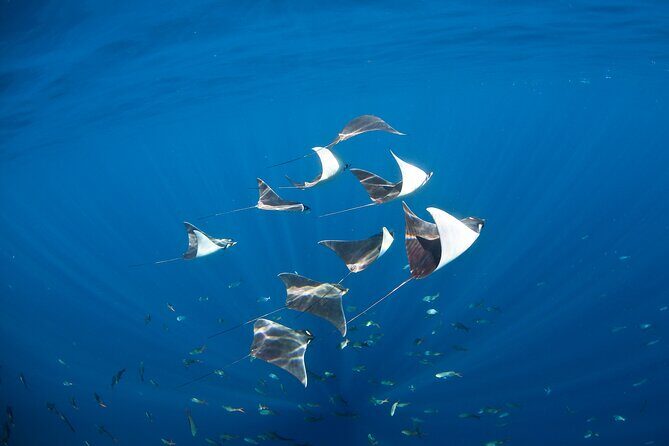
- Classic Cabo highlights you may spot sea lions, manta rays, octopus, rays, and lots of reef fish
- Price value vs extras includes park fees and your core gear, with optional costs for a second session
- Safety rules are firm including health screening and slow, controlled ascent protocols
Cabo San Lucas beginner scuba: why this is a good first try
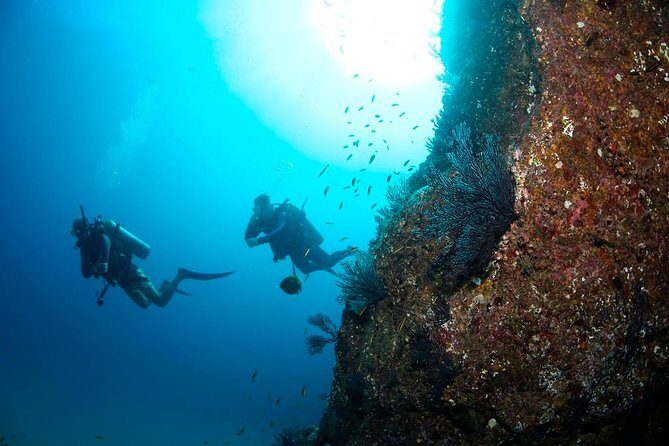
Cabo San Lucas is a smart place to start because the area is known for lively marine life and generally straightforward conditions for learning buoyancy and breathing. You are not just being dropped in—you’re taught what to do, when to do it, and how to communicate underwater.
What makes this plan feel beginner-friendly is the pacing. You start with paperwork and gear, then you do basic skills in a controlled way before you spend real time exploring. That order matters because it turns fear into muscle memory.
I also appreciate the small-group limit of up to 4 travelers. In a group that size, your instructor can watch your posture, monitor your breathing, and adjust the training without feeling rushed.
You can also read our reviews of more scuba diving tours in Cabo San Lucas
Price and what you really get for $142
At $142 per person, this is priced like a serious guided experience, not a barebones “show up and hope for the best” outing. The included list covers a lot of the cost drivers that add up fast elsewhere: local taxes, national park fees, bottled water, and a professional guide.
Here’s what is included that affects your day-to-day:
- Tanks and weights (so you don’t need to bring scuba weights)
- Bottled water
- Professional guide
- Local taxes and national park fees
Here’s what can cost extra, so you are not surprised:
- Optional second underwater session: $45 per person
- Use of scuba equipment: $40 per person
One detail I’d treat as a checklist: tanks and weights are included, but “scuba equipment use” is listed as an add-on. That often means parts of the full rental kit may not be bundled in the base price. If you’re showing up with your own mask or regulator, ask what’s already covered so you know exactly what you’re paying for.
Meet at the marina: check-in, forms, and your instructor intro
The experience starts at Manta Scuba Diving, right by the marina area on Blvd. Paseo de la Marina 7D in Centro. The tour ends back at the same meeting point, which keeps your logistics simple.
When you arrive, you meet your PADI instructor and fill out a medical form. This matters more than most people think. You’ll also be required to complete a health questionnaire for diving eligibility, and certain conditions (like asthma or heart conditions) can affect whether you’re allowed to participate.
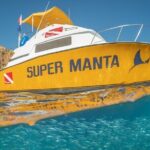
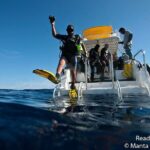
The briefing starts on land. You’ll get guidance on gear and the safety rules for how the day works. Then you head to the boat for a short ride—about 5 minutes—so the training stays efficient and you don’t lose half your morning waiting.
Also good to know:
- Minimum age is 10
- The activity is offered in English (and you may have a multi-lingual guide)
- You should have moderate physical fitness
- There’s a note that near public transportation is available
Gear day: how the setup helps you relax
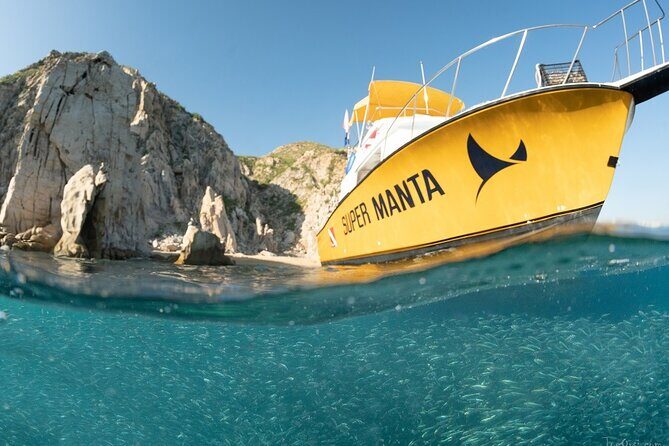
Getting kitted up is part of the learning curve. The benefit here is that the staff handles the heavy lifting (tanks and weights), then teaches you the rest with clear instructions.
You’ll do:
- Medical paperwork
- Gear fitting
- Short guidance before boarding
One thing I learned from past first-time underwater experiences is that people often get anxious because the gear feels unfamiliar. This course reduces that stress by pairing setup with instruction and then moving into controlled practice soon after you reach the site.
Tip: bring a steady mindset. Your instructor should be calm and methodical, and you’ll get better results if you take it one step at a time.
On the boat: communication rules and safety procedures
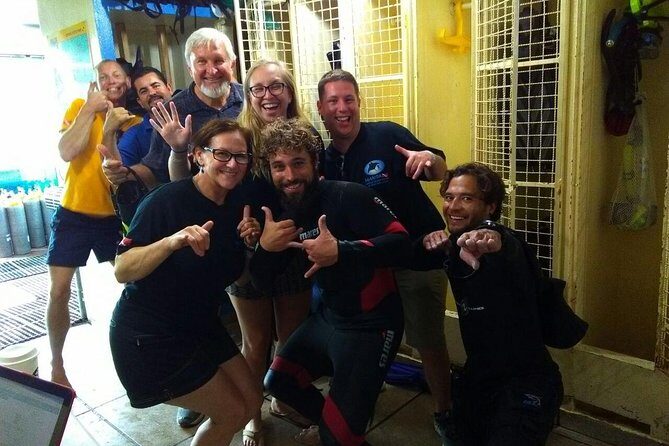
On the water side, you get complete instructions about gear use, communication underwater, and safety procedures before you start. This is not the place to be shy. If you don’t understand a hand signal or a breathing concept, ask right there.
The group size helps again. In a max-4 setup, you’re more likely to get a real check-in rather than a quick glance and a walk to the rail.
Expect the day to follow a clear flow:
- Short boat transfer
- Pre-water instruction
- Skill practice
- Underwater exploration at the sites
That structure is what keeps a beginner experience from feeling chaotic.
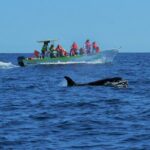



Skills practice first: where confidence comes from
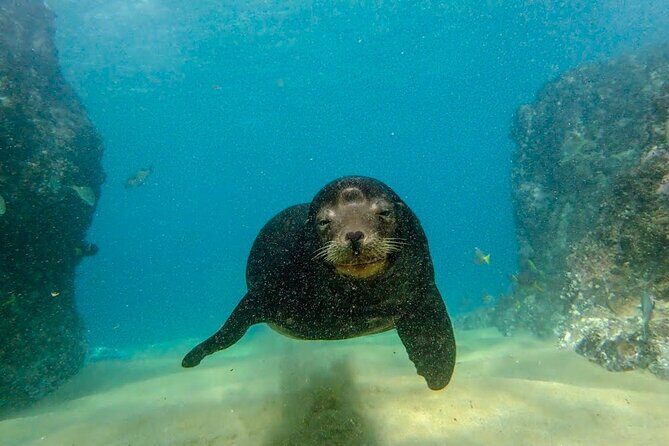
This is the part that can make or break your day. You’ll practice a few basic skills after you arrive at the site. The goal is simple: learn the core movements, learn how to breathe steadily, and learn what to do if something feels off.
From the way different instructors lead, the staff seems to focus on patience and reassurance. Multiple guides in the team are known for staying calm with nervous first-timers. You might work with instructors like Martin, Monty, Angela, Julio, Mercedes, Lori, or Bapti (and other team members). The pattern is consistent: explain clearly, watch your comfort, and keep checking on you underwater.
If you are someone who gets anxious about pressure changes, tell your instructor at the start. The group is small enough that they can tailor pacing—slower steps, more time at the shallow end, and more frequent check-ins.
Stop 1 at the shop: training logistics that save time
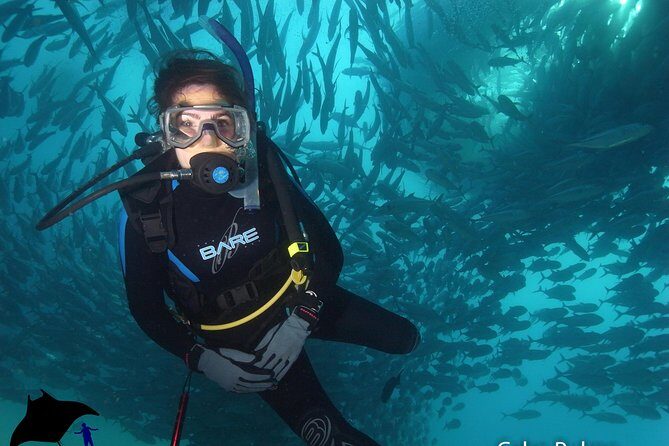
Your first real stop is essentially the staging point at Manta Scuba Diving. Even though the itinerary lists a “stop” there, in practice it’s your anchor for the day.
That matters because you can:
- Confirm you have the right gear
- Re-check anything you’re unsure about
- Make sure your medical paperwork is complete
If you’re wondering what to do when you arrive: keep your head clear for forms, follow the gear setup steps, and ask questions before you’re on the boat. Once you’re underwater, you’ll want your brain free for breathing and buoyancy.
Stop 2 at the Arch of Cabo San Lucas: what the underwater time feels like
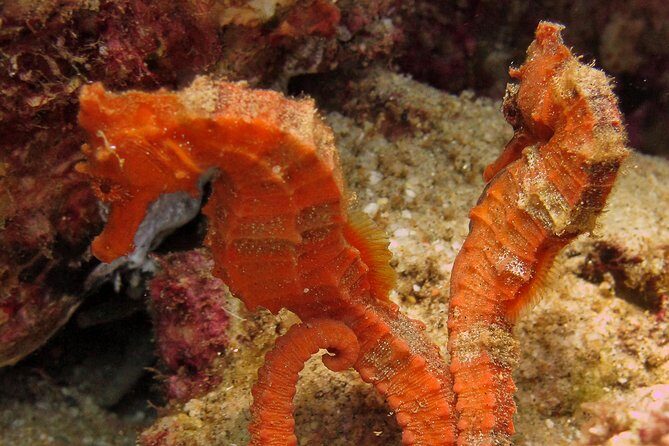
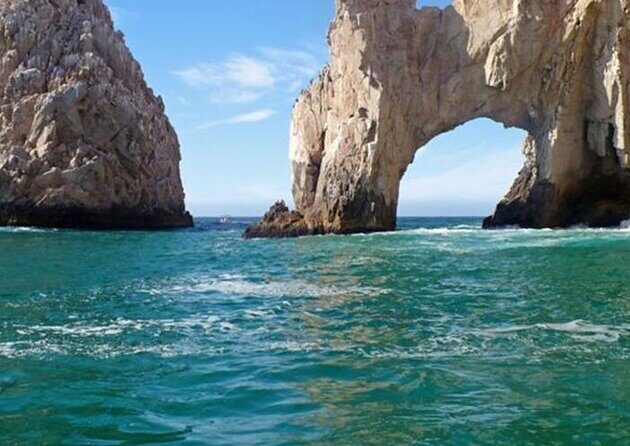
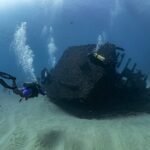
After practice, the experience shifts into the part you came for: underwater exploration at the Arch of Cabo San Lucas. This is where you get that wow-factor view—safely, with guidance.
The time underwater is a mix of:
- Guided movement and observation
- Communication using underwater signals
- Controlled exploration so you don’t feel lost
What I’d watch for during this phase:
- Your comfort level with staying at depth
- How quickly you equalize pressure in your ears
- Whether you can relax your body so buoyancy feels natural
Visibility can vary. Some days can look a bit murky, and the instructor may use a light to help reveal what’s around you. That kind of improvisation is a good sign you’ll be supported if conditions aren’t perfect.
Marine life you can realistically hope to see
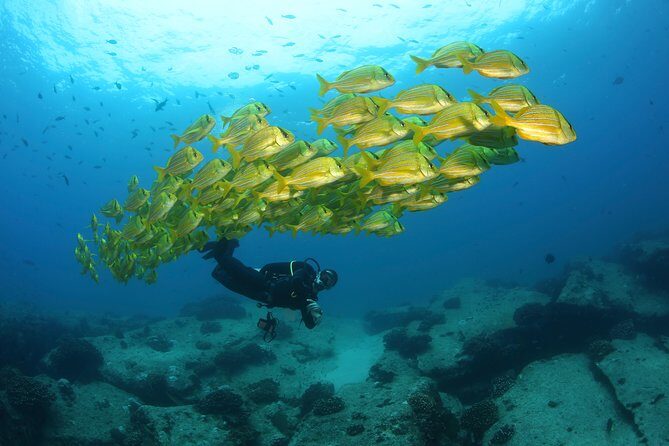
Cabo’s underwater reputation is well earned, and this area can deliver a lot of variety even for beginners. Depending on season and conditions, you might see:
- Manta rays
- Sea lions
- Octopus
- Pufferfish and other colorful reef fish
- Stingrays and cow rays
- Moray eels and large reef species like groupers
- Reef sharks (when conditions allow)
Even if your day is not packed with every single animal, the point of starting as a beginner is that you still get to experience the ecosystem up close. If you want photos, bring a camera that can handle saltwater gear management. One smart suggestion: bring an SD card so you’re not halfway through your trip hunting for storage.
And yes, it can feel cold. Some first-timers find the surface warm but the deeper water cooler once they swim farther down. Wet suits are often provided in this type of outing, and that helps, but your comfort still matters—especially on your first experience.
Comfort and safety: ear pressure, slow ascent, and staying in control
The safest way to enjoy this kind of underwater activity is to treat it like a skill practice, not like a race to the bottom.
This company uses strict safety expectations, including slow ascent routines. That means if you feel unwell or have significant discomfort, you should communicate quickly, but the instructor may not be able to change the plan instantly. One guest experience highlighted that the team followed slow ascent protocol when ear pain increased and did not allow a faster self-adjustment. The takeaway for you: speak up early, and trust that the staff is prioritizing controlled ascent and risk reduction.
Also follow the pre-activity advice:
- Avoid alcohol at least 12 hours before
- Diving within 18 hours of flying is not recommended
- Don’t ignore medical warnings—some conditions can prevent you from diving
If you have asthma, heart issues, or any prior ear equalizing problems, talk to a doctor before you go. You’ll also need to complete the required questionnaire on site.
Group size and instructor attention: why it feels personal
With a maximum of 4 travelers, the experience has breathing room. You’re not squeezed into a big group where instructors can only shout instructions. Instead, you can get coached on breathing timing, buoyancy, and comfort check-ins.
Several people mention guides who keep an eye on them constantly underwater using hand signals. That matters because beginners often forget to look at the instructor when they get task-focused. In a small group, the instructor is more likely to guide you back to the basics before you get stressed.
If you’re nervous, this is one of the best features of the day. Calm instructors, clear communication, and patience with first-timers are repeatedly what people come away remembering.
Who should book, and who might want a different plan
This is a strong fit if:
- You’re new to scuba and want an instructor-led start
- You want a structured day with skills practice
- You’d rather have a small group than a crowded boat
- You want a guided introduction to Cabo’s marine life
This might be less ideal if:
- You have medical concerns related to scuba (you’ll be screened with the health questionnaire)
- You have a history of major pressure-related problems
- You are determined to control your own ascent if you feel uncomfortable (the safety protocol can limit quick changes)
Also, if your goal is a longer, deeper experience with more time in the water, consider the optional second session. It’s an add-on, but it can turn a good first outing into a more complete underwater day.
Tips that make your first underwater session smoother
Here’s how to show up ready and get more out of the day:
- Arrive rested. Avoid alcohol and keep sleep reasonable the night before.
- Eat lightly if you tend to feel off with motion.
- Tell your instructor how you feel at the start, especially about ear pressure or anxiety.
- Pay attention to the communication signals before you go in—this is your real safety net underwater.
- Bring a waterproof bag for phone and keys, and plan for saltwater spray.
- If you want photos, consider a camera setup you can manage confidently with gloves or wet hands.
Small effort on the surface turns into a lot more enjoyment once you’re underwater.
Should you book? My take on value and fit
I’d book this beginner scuba experience in Cabo if you want a calm first step, tight group attention, and a guided path from gear to hands-on practice to marine sightings. At $142, you’re getting real structure plus meaningful inclusions like park fees and tank-and-weight support, with clear extras if you want a second session or additional equipment rental.
Skip it or rethink the timing if you’ve recently flown, you plan to drink the night before, or you know you have medical issues that could block you through the health questionnaire. And if you’re sensitive to ear pressure, take the day’s safety rules seriously: communicate early, be patient with slow ascent routines, and don’t try to push past discomfort.
If you’re ready for a first-time underwater skill experience in Cabo San Lucas, this is the kind of outing that can turn nervous energy into a genuine memory.
FAQ
How long is the beginner scuba experience?
It runs about 4 hours (approximately).
What is the price per person?
The price is $142.00 per person.
What does the price include?
It includes local taxes, national park fees, bottled water, a professional guide, tanks, and weights.
What is not included in the base price?
A second underwater session costs $45.00 per person, and use of scuba equipment costs $40.00 per person.
Where do I meet for the tour?
You meet at Manta Scuba Diving, Blvd. Paseo de la Marina 7D, Centro, Marina, 23450 Cabo San Lucas, B.C.S., Mexico.
What is the minimum age?
The minimum age is 10 years.
Is it offered in English?
Yes, the experience is offered in English.
How many people are in the group?
There is a maximum of 4 travelers.
What safety or health requirements should I know?
You must complete a health questionnaire prior to diving. Drinking alcohol is not recommended at least 12 hours before, and diving within 18 hours of flying is not recommended. Some pre-existing medical conditions (for example asthma or heart conditions) may prevent you from diving.
Can I cancel and get a refund?
You can cancel for a full refund if you cancel up to 24 hours in advance. Weather cancellations due to poor conditions will result in an offered different date or a full refund.