REVIEW · CABO SAN LUCAS
2-Tank Scuba Dive in Cabo San Lucas Reserve for Certified Divers
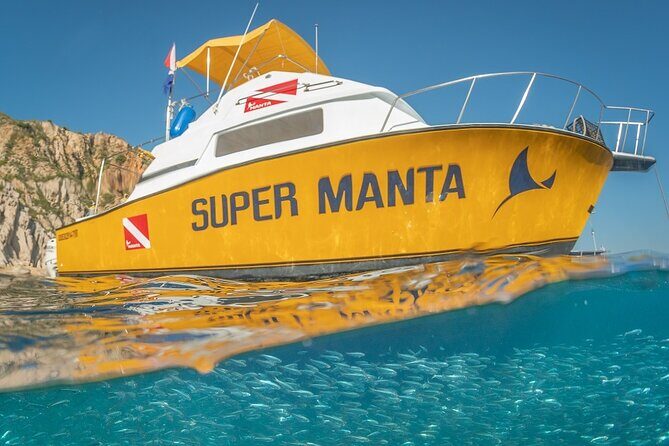
Book on Viator →Operated by Manta Scuba Diving · Bookable on Viator
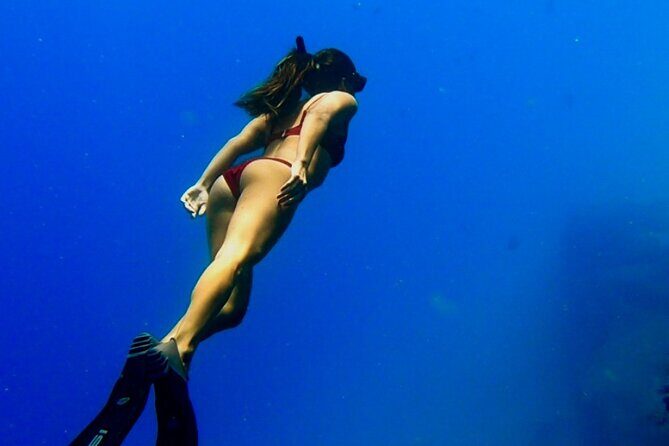
Cabo’s Sea of Cortez feels like an underwater street party. This 2-tank, certified-scuba experience runs about 4 hours and stays in the protected bay for calmer water and usually good visibility. I especially like the small group feel—typically individual attention—and the way the trip mixes underwater highlights (Pelican Rock, sea lions, big cliffs) with classic Cabo surface sights like Lover’s Beach and The Arch. One heads-up: on some busy days, you may share the area with other boats, and it can affect how crowded things feel.
What makes this outing stand out is the “short ride, big reward” setup. Sites are close to the shop, usually a quick 5–10 minutes by boat, so you’re not spending your vacation parked on choppy water. Between tanks, you’ll also get a compact sightseeing pass over Lover’s Beach, The Arch, the sea lion area, and views toward the Pacific, which makes the whole day feel like more than just a water session.
In This Review
- Why Cabo San Lucas’s Bay Is the Star Here
- Meeting at Manta and Getting Fully Set Up
- Two Tanks, One Guided Plan (Without the Long Transfer Stress)
- First Tank at Pelican Rock: Sand Falls and Sea Lion Moments
- Between Tanks: Lover’s Beach, The Arch, and Sea Lion Territory
- Second Tank: Healthy Marine Life in Calm Bay Conditions
- Guide Quality, Safety Culture, and Small-Group Attention
- Price Breakdown: What $138 Gets You (and When Gear Rental Hurts)
- Weather Reality: All-Weather Operation, But Plan for Good Conditions
- Who Should Book This Cabo 2-Tank Certified Program
- Should You Book It?
- FAQ
- Is this tour only for certified scuba participants?
- How long does the 2-tank experience take?
- Where do I meet, and does it end nearby?
- What’s included in the $138 price?
- How much does gear rental cost?
- What group size should I expect?
- What kind of conditions should I expect in the water?
- What if weather is bad?
- What will I see between the two tanks?
Why Cabo San Lucas’s Bay Is the Star Here
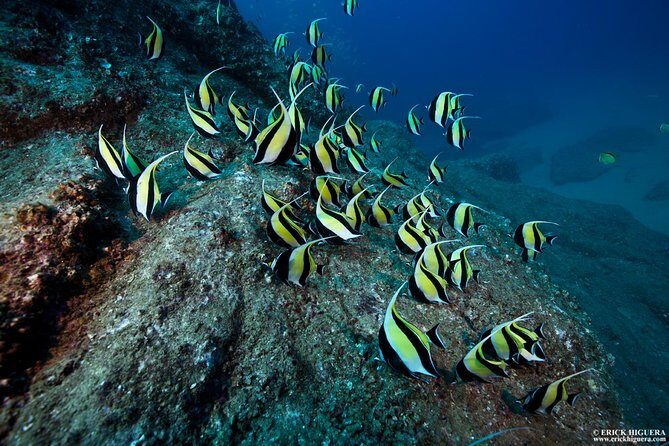
This tour is built around Cabo San Lucas’s side of the Sea of Cortez—an area Jacques Cousteau famously called The Underwater Aquarium of the World. The key advantage is the bay protection. Conditions are described as rarely having much current, which matters if you want your attention on wildlife and scenery instead of fighting your buoyancy while your arms burn.
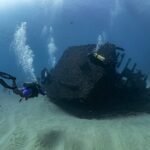
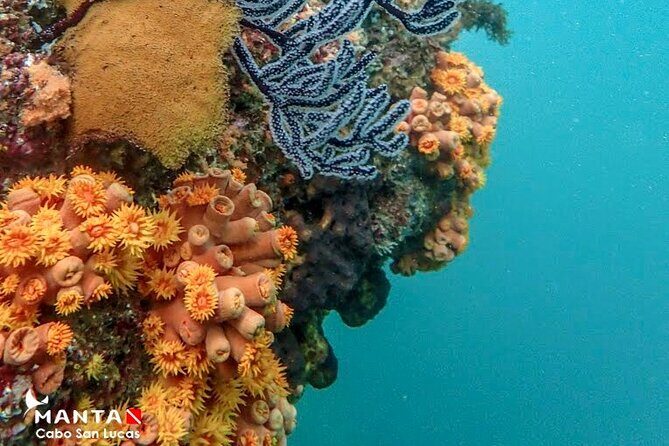
Another plus: the eastern side of the bay became a National Marine Park in 1973, one of the first in Mexico. That conservation focus helps explain why you’re likely to see a healthy system of marine life rather than a quick flash-and-go spot. Expect underwater sea cliffs to look enormous from below, and plan for the kind of rock-and-sand formations where animals like to hang out.
If you care about comfort, the short boat transfer is a big deal. Being at the sites in about 5–10 minutes means less time waiting, less time bouncing, and more time at the places that actually matter.
Meeting at Manta and Getting Fully Set Up
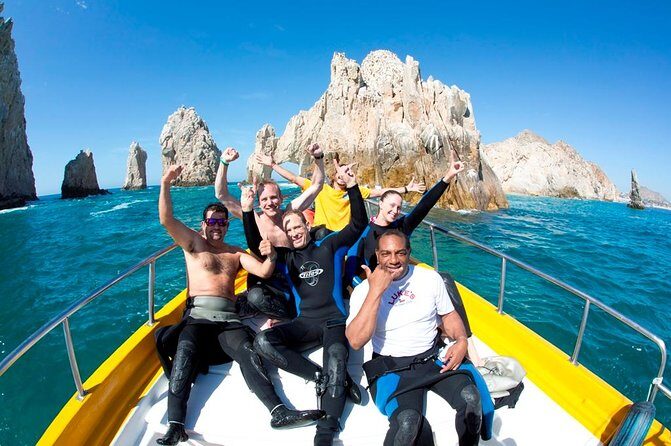
You’ll meet at the Manta shop at Blvd. Paseo de la Marina 2, Centro, Marina, 23450 Cabo San Lucas, B.C.S., Mexico. You’ll return there at the end, so you don’t have to play logistics roulette across town.
Tanks and weights are included, along with a professional guide and bottled water. That “ready-to-go” setup is great if you want your vacation time to start immediately instead of wrestling with rental checkout. If you need gear rental, it’s available for an extra $USD40 per person, per day—so if you’re traveling light, factor that in before you book.
The shop environment can make the morning or afternoon feel smoother. Some divers note amenities like a shower, gear-cleaning stations, and even a pool, which is handy after you rinse off saltwater. Also, since you’re in a short time window (about 4 hours total), being organized with paperwork and gear matters. Several people highlight efficient setup and smooth handling once they arrive.
You can also read our reviews of more scuba diving tours in Cabo San Lucas
Two Tanks, One Guided Plan (Without the Long Transfer Stress)
This is a 2-tank experience for certified scuba participants. You’ll need to show proof of certification before you go in the water, and the minimum age is 10.
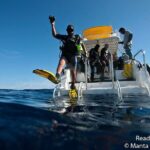
The flow is simple: you’ll get geared up at the shop, head out by boat to nearby sites, complete the first tank, then return for surface time and sightseeing before heading out again for the second tank. With sites only 5–10 minutes away, the “travel time tax” is low, which is especially nice if you don’t love long trips at sea.
One more detail to keep in mind: equalizing can be tricky for some people. In one account, a diver had some trouble and cut the first outing short, while their partner continued with the guide. That’s a normal scuba issue, and it’s another reason you’ll want a patient, safety-first team—and the right mindset to communicate early if your ears aren’t cooperating.
First Tank at Pelican Rock: Sand Falls and Sea Lion Moments
The underwater highlights here are centered on the bay’s rock formations. During your first tank, you’ll likely notice the scale of underwater sea cliffs—big, steep walls that make the water feel deeper and more dramatic than you’d expect from the surface.
Pelican Rock is a standout. The description calls out sand falls there—those sloping patches where sand shifts down over rock, creating a dynamic “living structure” for small fish and curious critters. It’s also where sea lions come into the story. The plan is to let you see and, when conditions allow, interact with sea lions in a friendly, controlled way—your guide will set the boundaries so you don’t chase animals or get too close.
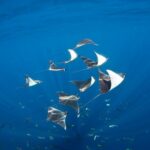
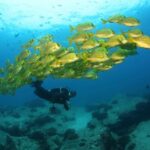
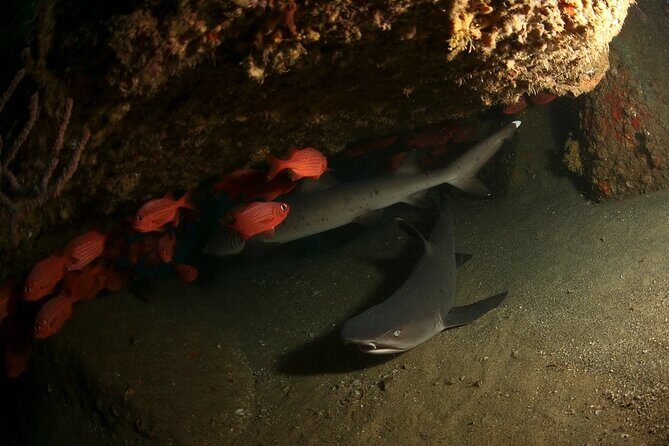
Wildlife expectations are practical rather than guaranteed. You might see sea turtles, eels, lobster, white-tip reef sharks, rays (including cow-nosed rays in the distance), and schools of fish like butterflyfish and angelfish. The best way to treat these expectations: aim to focus on the guide’s pointing and follow the group plan. In this area, the “where” often matters as much as the “what.”
Between Tanks: Lover’s Beach, The Arch, and Sea Lion Territory
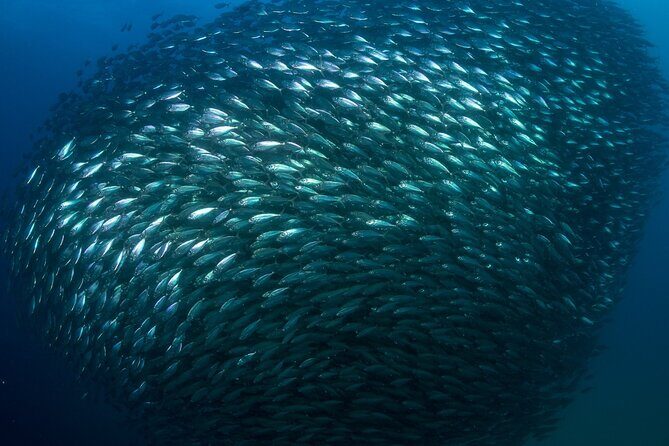
The time between tanks is not wasted. You’ll go on a short sightseeing segment that hits Cabo’s iconic surface scenes: Lover’s Beach, The Arch, a sea lion colony area, and a look out toward the Pacific.
Lover’s Beach and The Arch are popular for a reason—they’re photo-worthy, but also visually strange in a way that helps you understand the geology you’re seeing underwater. When you’ve just looked at cliffs and rock edges, those coastal shapes click into place.
For many people, this part is what turns the outing into a full Cabo experience instead of just two periods in the water. You also get a breather on the boat—helpful if you’re feeling pressure from timing or if the water session made you work on technique.
Second Tank: Healthy Marine Life in Calm Bay Conditions
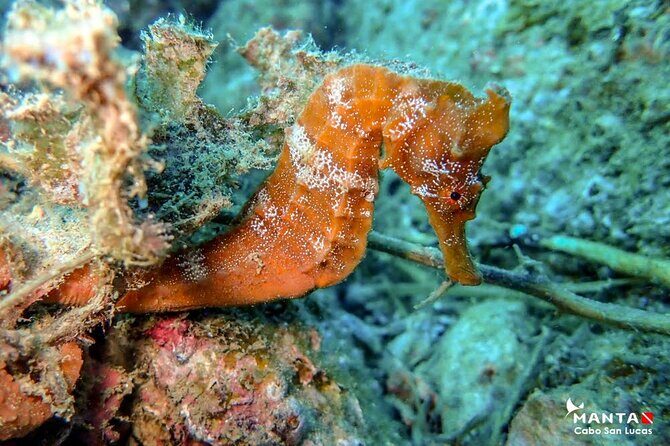
The second tank is where you’ll likely appreciate how the bay setting pays off. Conditions are described as good for certified participants, with the protection of the bay helping keep current minimal. That usually means fewer “thrash moments” and more stable viewing opportunities.
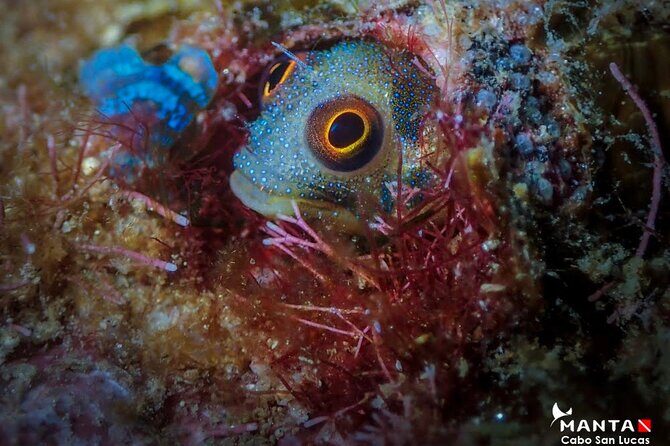
Visibility is typically good, and that matters because marine life here isn’t just about one big animal. People mention spotting lots of active creatures—eels, rays, lobsters, and various schooling fish—plus larger animals like turtles and sharks at a distance. If you enjoy scanning rock edges and sand patches, this is a strong match.
Two-tank days work best when you treat the second tank like a “repeat with better attention.” The first tank helps your body remember the gear and rhythm. By the second one, you can relax more and focus on reading the underwater landscape—while still staying within your limits.




Guide Quality, Safety Culture, and Small-Group Attention
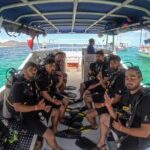
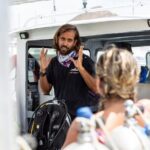
This operation leans into safety and efficiency, and the guide experience is repeatedly praised. The group size is capped at a maximum of 12 travelers, and several accounts describe a tight ratio (for example, 4 divers per guide). That smaller setup helps with briefing, equipment checks, and real-time feedback.
Names that show up in the guiding team include Kosta, Loris, Angela, Brendan, Noel, Paulo, Sebastian, and Antonio. On the surface side, captains named Jonathon and Flash are mentioned for keeping things on track and returning on time—especially important if you’re visiting on a cruise.
A big practical benefit: personalized attention with certified participants. If you’re coming back after time away, a patient, attentive lead matters. One account describes a refresher setup with an in-water guide who stayed attentive and patient, then helped ensure things went smoothly during both tanks.
Price Breakdown: What $138 Gets You (and When Gear Rental Hurts)
The price is $138.00 per person for the 2-tank certified scuba experience. That’s not just “two tanks and good luck.” Included items are the essentials that often add up: local sales taxes, national park fees, bottled water, a professional guide, and tanks and weights.
Gear rental is extra at $USD40 per person, per day. If you already own your own gear, the $138 is a stronger value. If you don’t, add that $40 to your real budget. Because it’s per day, make sure you’re not surprised if you’re planning other water activities the same trip.
Also consider what’s included versus what you may do anyway. Many people would pay separately for park fees, guide time, and boat transport. Here, those pieces are bundled, which keeps the transaction simple and reduces the number of “surprise charges” that can happen with water sports.
Weather Reality: All-Weather Operation, But Plan for Good Conditions
The listing says the tour may operate in all weather conditions and that you should dress appropriately. At the same time, it also notes that the experience requires good weather—if it’s canceled due to poor weather, you’ll be offered a different date or a full refund.
So the useful way to think about this: don’t schedule your next stop with zero wiggle room. The best days are usually the ones with calmer conditions and clearer visibility, but the operation isn’t built on fantasy weather.
The upside is that you’re not going far offshore for long stretches. Since sites are close and you’re working inside the protected bay, weather disruptions are often less of a “ship the whole day” problem than with open-ocean trips.
Who Should Book This Cabo 2-Tank Certified Program
This outing is a fit if you’re already certified and want a guided, structured day that balances underwater and on-land Cabo highlights. It’s also a strong choice for people who like marine life in a setting that tends to be calmer than bigger open-water areas.
It’s best for:
- Certified scuba participants who want two close, well-supported underwater sessions
- Divers who like variety: cliffs, sand falls, sea lion encounters, plus classic Cabo surface stops
- People who want small-group attention (max 12, often tighter in practice)
It may not be ideal if:
- You’re extremely sensitive to crowded conditions at popular sites. Even with a small group, there can be multiple boats in the same area depending on day and season.
- You’re looking for a long, far-out expedition feel. The boat ride is short on purpose, so the “big travel day” vibe won’t be the focus.
Should You Book It?
If you want an efficient Cabo day that mixes great undersea scenery with the Landmarks: Lover’s Beach and The Arch, I’d book this. The value is strong when you count what’s included (tanks, weights, guide, park fees, taxes), and the small-group format makes it feel less like a production line.
My final check before you pull the trigger: confirm your certification documentation is ready, and decide whether you’ll need gear rental. If you’re flexible on weather-related timing and you’re happy with a calm-bay style of scuba experience, this one is a very solid pick for Cabo.
FAQ
Is this tour only for certified scuba participants?
Yes. You need proof of dive certification to join. The minimum age is 10 years.
How long does the 2-tank experience take?
It’s about 4 hours total (approx.).
Where do I meet, and does it end nearby?
You meet at Blvd. Paseo de la Marina 2, Centro, Marina, 23450 Cabo San Lucas, B.C.S., Mexico. The activity ends back at the same meeting point.
What’s included in the $138 price?
Included are local sales taxes, national park fees, bottled water, a professional guide, tanks, and weights.
How much does gear rental cost?
Gear rental costs $USD40 per person, per day.
What group size should I expect?
The maximum group size is 12 travelers.
What kind of conditions should I expect in the water?
The sites are inside the protection of the bay, where there is rarely much current and visibility is typically good.
What if weather is bad?
The experience requires good weather. If it’s canceled due to poor weather, you’ll be offered a different date or a full refund.
What will I see between the two tanks?
You’ll take a short sightseeing pass to Lover’s Beach, The Arch, a sea lions colony area, and views toward the Pacific.