REVIEW · CABO SAN LUCAS
Mobula Ray Snorkeling
Book on Viator →Operated by Cabo Trek · Bookable on Viator
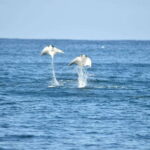
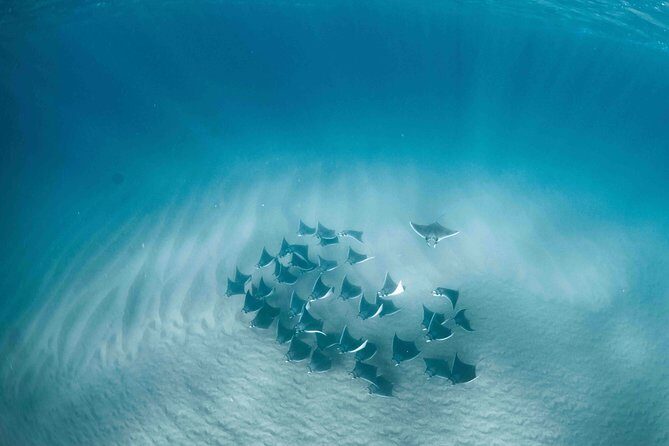
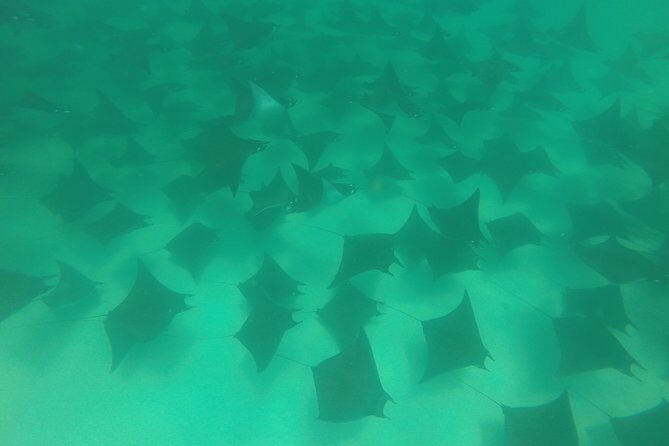
Mobula rays break the surface for seconds. This 3-hour Cabo San Lucas tour is built around the migration of mobula manta rays off Baja California Sur, with a sightseeing stop at El Arco and a sea-lion colony along the way. If you like wildlife photography, you’ll get plenty of chances when the schools move close to the boat.
I love the small group size (max 8), because it keeps the attention tight and the searching process more efficient. I also like that your guide is a certified marine biologist, and on past tours that has included people like Donna or Vanusa, with captains such as Adrian or Freddy helping you feel calm and in control on the water.
One possible drawback: sightings are wildlife-dependent. The crew searches for mobulas and gives you multiple goes once they’re found, but if they’re not in range, you may end up with other marine life instead of the exact animal you booked for.
In This Review
- Key highlights at a glance
- Mobula Ray Snorkeling in Cabo: Why This Trip Feels Special
- Price and what you actually get for $169
- Meeting point and the rhythm of the day
- El Arco and the sea lion colony: the calm before the ray hunt
- Finding the mobulas: how you get multiple shots in the water
- Snorkeling coaching, safety, and the guide-led experience
- Boat comfort: shade and open viewing space
- What’s included: snacks, drinks, and equipment
- Photography: when to shoot and what to aim for
- Who this tour is best for (and who should think twice)
- Practical tips before you go
- Weather and flexibility: how the plan responds
- Should you book Mobula Ray Snorkeling with Cabo Trek?
- FAQ
- How long is the Mobula Ray Snorkeling tour?
- How much does it cost?
- Where is the meeting point, and when does it start?
- Is there a morning and an afternoon option?
- What’s the group size limit?
- What’s included in the tour price?
- If I don’t snorkel, can I still see the rays?
- Is the tour offered in English?
- What happens if the weather isn’t good?
- Can I cancel for a full refund?
Key highlights at a glance
- Small group (max 8) for more hands-on guidance in the water
- Certified marine biologist guides who explain what you’re seeing while you snorkel
- El Arco of Cabo San Lucas plus a sea lion colony before the ray hunt
- Multiple snorkeling chances after the mobula schools are spotted
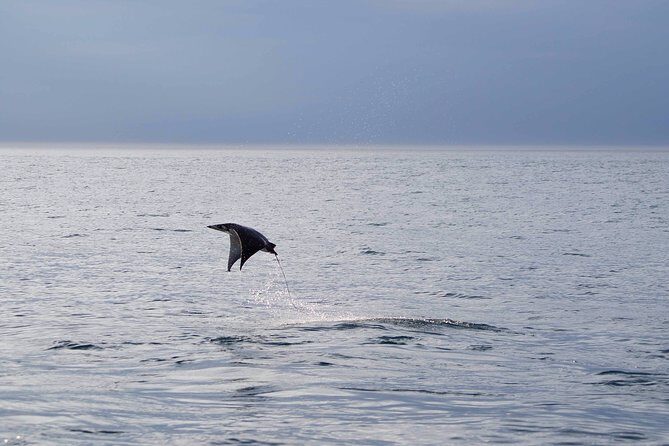
- Great viewing even without snorkeling, since rays can breach 6–8 feet high
Mobula Ray Snorkeling in Cabo: Why This Trip Feels Special
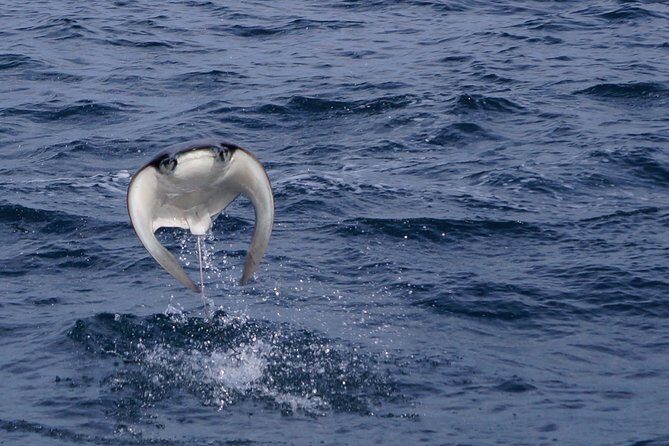
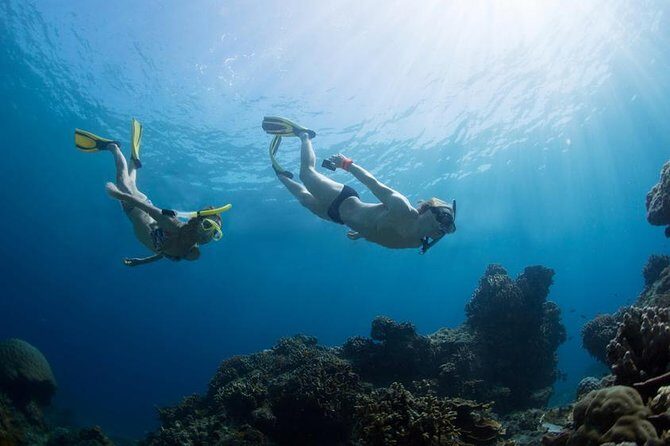
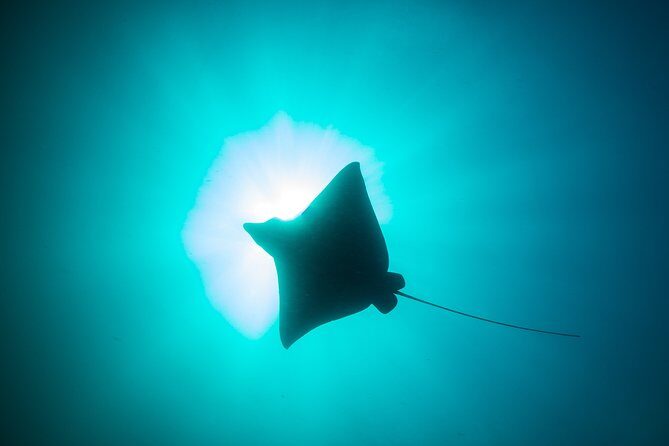
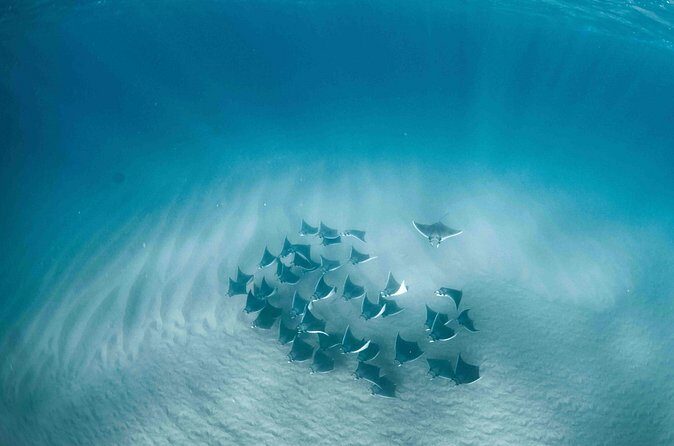
Cabo has lots of sea adventures, but mobula ray snorkeling is different. The tour is timed around the migration of mobula manta rays, so the “main event” isn’t a man-made attraction—it’s a natural moment when the animals move into the area.
What makes this experience click for me is that it mixes education with real wildlife time. You’re not just thrown into the water and told good luck. Your guide explains what you’re looking for, and the plan is designed to keep trying until the conditions line up for good views.
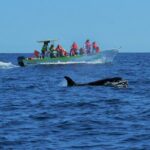
It also helps that even if you’re not into snorkeling, you can still have an up-close wildlife moment. When the mobulas breach—rising 6–8 feet out of the water—you can spot them from the boat and capture photos without fully committing to the swim.
You can also read our reviews of more snorkeling tours in Cabo San Lucas

Price and what you actually get for $169
At $169 per person for an approximately 3-hour tour, the price can feel like a lot—especially if you’re visiting on a tighter budget. But this isn’t the style of tour where you pay mostly for a ride and a vague promise.
From what’s included here, you’re paying for:
- marine-biology–led guidance
- snorkeling equipment and what you need for the activity
- safety setup handled by the crew
- snacks and drinks during the outing
- access to the sites visited on the water
Transportation to the office isn’t included, so you still need to get yourself to the meeting point. But once you’re there, the tour covers the on-the-water parts that most people end up paying extra for on other excursions (especially equipment and guide time).
I’d call this “worth it if you want a serious wildlife-focused snorkeling morning/afternoon.” If you’re hoping for a guaranteed animal encounter with zero uncertainty, you’ll need to adjust expectations, because you’re still snorkeling in the ocean.
Meeting point and the rhythm of the day
You’ll start at CaboTrekHotel Tesoro, Blvd. Paseo de la Marina 20-Local A, Centro, Cabo San Lucas. The listed start time is 9:00 am, and the activity ends back at the same meeting point.
The key thing to know is that the trip length is about 3 hours, which is long enough to do more than one “wave” of searching and snorkeling. The schedule is built so you get a sightseeing warm-up first, and then you shift into a focused search mode for the schools of mobulas.
Also, this is a small-group experience with a maximum of 8 travelers. That matters more than you might think. With fewer people, your guide can better spot who needs coaching, who is struggling with breath control, and who wants to shoot photos rather than stay in constant motion.
El Arco and the sea lion colony: the calm before the ray hunt
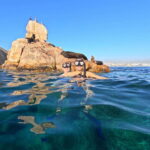
Before the mobula searching begins, you stop at El Arco de Cabo San Lucas. It’s the famous Cabo landmark that’s easy to recognize, and it gives you a quick, scenic anchor to your trip before it becomes all ocean all the time.
Right after that, you also visit a sea lion colony. This part is more than filler. It helps you get into a “wildlife mindset” early, and it gives you something to enjoy even during the in-between moments of the day.
You’ll also likely get views of the coastline and beaches along the way, which helps make the short tour feel less rushed. In a 3-hour outing, those early sights keep the experience balanced so you’re not waiting around only for the single animal target.
Finding the mobulas: how you get multiple shots in the water
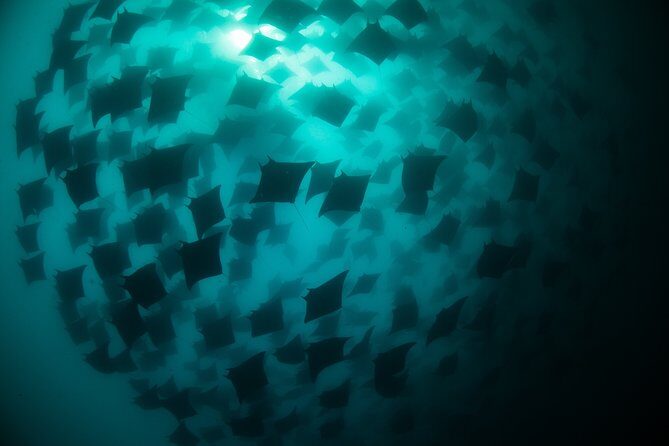
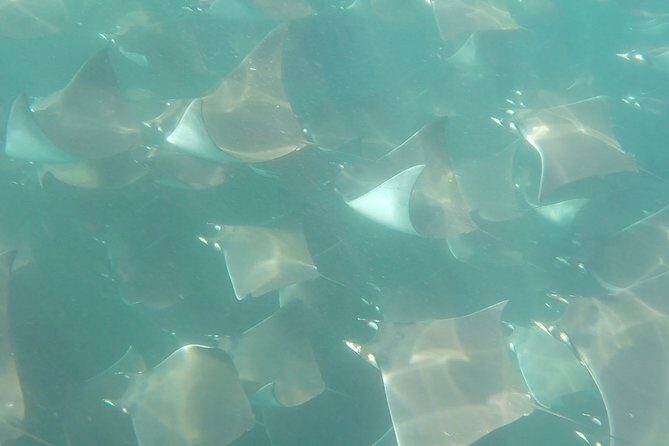
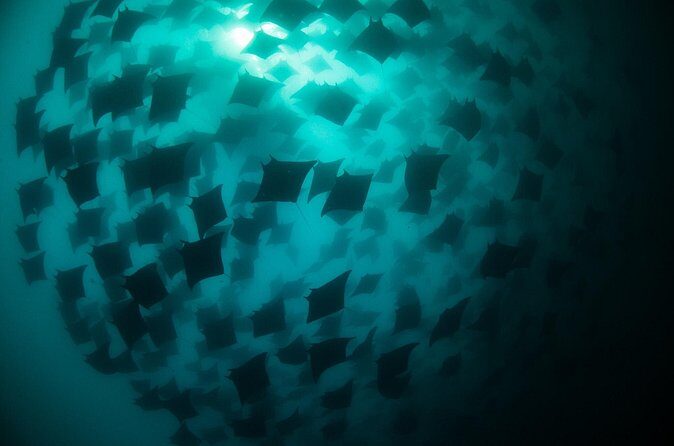
The main focus is the search for the big schools of mobulas. The tour approach is simple and effective: as soon as the crew finds the right situation, you get multiple chances to get into the water and observe them.
That “multiple chances” detail is huge for your odds of a good moment. In the ocean, timing is everything. Schools can shift fast, and water conditions can change. By planning several entry opportunities, the tour improves your chances of catching the best behavior—like those dramatic breaching moments.
What I like here is that the guide isn’t just watching from the surface. You get help assessing the situation, which is exactly what you want when you’re trying to snorkel near large marine animals without panicking or guessing.
And if the mobulas are active enough to breach, you get bonus value. Even people who don’t snorkel can still see rays popping out of the water 6–8 feet high. That’s also when you’ll get your best photos without needing to chase the animals underwater.

Snorkeling coaching, safety, and the guide-led experience
This tour is offered in English and is led by certified marine biologists. In practice, that means you get more context for what you’re seeing—and better in-water communication when it’s time to snorkel.
In past tours, the guiding team has included people like Donna or Vanusa, with captains like Adrian or Freddy. Names aside, the important part is the skill set: they manage the boat, coordinate snorkeling attempts, and keep everyone feeling safe even when sea conditions aren’t perfect.
The tour has a maximum of 8 travelers, which helps the guide give practical attention. If you’re newer to snorkeling, that matters. If you’re more confident, you’ll still appreciate the guidance for positioning and timing—especially when the animals are close enough to be visible above the water.
Boat comfort: shade and open viewing space
You’re on a boat during the searching portion and while waiting for the schools to move into range. A common make-or-break factor for people is comfort—sun, wind, and seating.
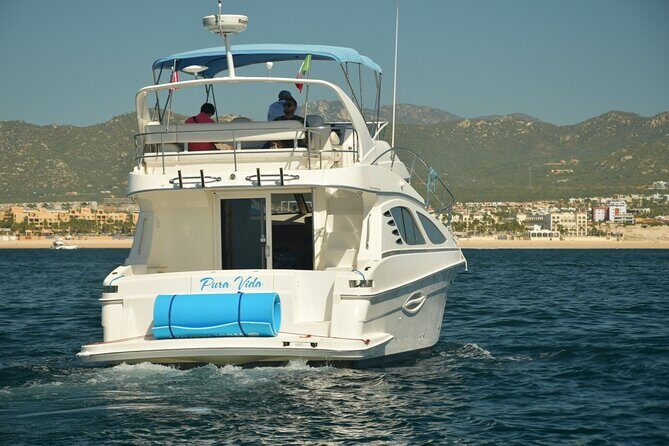
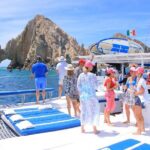
This tour setup includes a boat with both shade and open areas. That’s ideal. You can relax out of the sun between snorkel attempts, then move where the viewing is best when the crew spots action.
That mix also helps photographers. You’re not forced to choose between getting covered up from glare or standing exposed the whole time.
What’s included: snacks, drinks, and equipment
You’re covered for the core needs during the excursion. Included items are:
- soft drinks
- water
- snacks like chips and cookies
- all fees and necessary equipment for the snorkeling activity
That matters because it reduces the “surprise costs” that can pop up on tours. You won’t need to track down a rental mask and snorkel at the last minute, and you’ll have food and drinks during the 3-hour window.
If you’re sensitive to hunger during outdoor activities, this is a real convenience. Snorkeling can work up an appetite fast, especially in warm Cabo weather.
Photography: when to shoot and what to aim for
This is one of those tours where photos feel plausible. The reason is right in the experience design: mobulas can breach 6–8 feet out of the water, and the tour’s timing is built around spotting the schools when they’re close.
Here’s how to think about it:
- Breaching is fast. You’ll want your camera ready before the crew says it’s happening.
- Use the boat’s viewing positions to your advantage. If you’re up on an open area, you’ll usually have better angles.
- If you snorkel, focus on short bursts rather than long chases. The guide is evaluating the situation, and you’ll get better results by following that lead.
Even if you don’t snorkel, breaching can give you shots from the surface. That makes the tour more “camera-friendly” than many snorkeling trips where the action is underwater and hard to capture.
Who this tour is best for (and who should think twice)
This tour fits best if you want:
- a small-group wildlife experience
- marine-biology–style guiding
- a chance at dramatic surface behavior (breaching)
- flexibility through multiple snorkeling attempts once schools are located
You’ll likely enjoy it more if you have a moderate physical fitness level. The activity involves time on the water and snorkeling expectations, even if you can also watch from the boat.
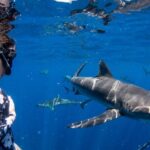
If you are the type who needs certainty—like you’re booking only one Cabo ocean excursion and you cannot risk coming home without seeing mobulas—then keep in mind the ocean can refuse your plans. You might still see impressive wildlife (dolphins, eagle rays, sharks, turtles, sea lions), but it may not match the exact target you paid for.
So, I’d book this if you’re okay with a real nature experience. This is wildlife watching, not a theme park.
Practical tips before you go
A few practical moves that will help your day feel smooth:
- Decide early whether you’ll snorkel or mostly watch. You can do either, and the tour supports both because breaching is visible from the boat.
- Bring a calm attitude about timing. The crew searches, then acts quickly once conditions are right.
- Choose your camera and settings before the ray hunt begins. You don’t want to be fiddling when breaching starts.
Also, note that the tour is near public transportation, which can help if you’re staying in central Cabo. Transportation to the office is not included, so plan how you’ll get to CaboTrekHotel Tesoro.
Weather and flexibility: how the plan responds
This experience requires good weather. If conditions aren’t suitable, the operator offers a different date or a full refund. That’s a big deal in Cabo, where wind and swell can change quickly.
Since the activity also depends on the migration and the animals’ position, the tour’s structure focuses on searching and responding. The crew aims to find the schools and then give you more than one chance to experience the moment once they do.
That combination—weather-sensitive operations plus wildlife-dependent timing—is why this kind of trip is so memorable when it works, and why it can feel frustrating when it doesn’t.
Should you book Mobula Ray Snorkeling with Cabo Trek?
If you’re excited by the idea of mobula manta rays breaching 6–8 feet out of the water, and you want a knowledgeable marine-biologist guide with a small group (max 8), I think this is a strong booking. The price may sting a bit, but your money goes into guided expertise, gear, and real wildlife time—not just a generic boat ride.
Book it if:
- you want snorkeling plus top-shelf viewing chances
- you care about understanding animal behavior
- you’re flexible about whether the mobulas show up right on schedule
Skip it (or plan something backup) if:
- you need guaranteed mobula sightings no matter what
- you’re uncomfortable with moderate physical activity on the water
If your goal is one standout ocean experience in Cabo, this one is built for exactly that kind of story.
FAQ
How long is the Mobula Ray Snorkeling tour?
The tour is about 3 hours (approx.).
How much does it cost?
It’s $169.00 per person.
Where is the meeting point, and when does it start?
The meeting point is CaboTrekHotel Tesoro, Blvd. Paseo de la Marina 20-Local A, Centro, Cabo San Lucas, B.C.S., Mexico. The start time listed is 9:00 am, and it ends back at the meeting point.
Is there a morning and an afternoon option?
Yes. You can choose from a morning or afternoon tour.
What’s the group size limit?
The tour/activity has a maximum of 8 travelers.
What’s included in the tour price?
Snacks (soft drinks, water, chips and cookies) are included, along with all fees and the necessary equipment for the snorkeling activity.
If I don’t snorkel, can I still see the rays?
Yes. Even if you are not interested in snorkeling, it is possible to see the animals as they breach 6–8 feet out of the water.
Is the tour offered in English?
Yes, it is offered in English.
What happens if the weather isn’t good?
The experience requires good weather. If it’s canceled due to poor weather, you’ll be offered a different date or a full refund.
Can I cancel for a full refund?
Free cancellation is available. You can cancel up to 24 hours in advance of the experience for a full refund.