REVIEW · LOS CABOS
Los Cabos: Zip Lines and UTVs with Mexican Lunch and Drinks
Book on GetYourGuide →Operated by Cabo Adventures · Bookable on GetYourGuide
Zip lines plus a desert UTV. This Los Cabos adventure throws you into a canyon course with PETZL safety gear and a standout 500m zip line.
I especially like the hands-on feel: you’re kitted up with world-class equipment, then guided step-by-step through a mix of flying, climbing, and controlled descents. I also like that the guides (you may see familiar names like Chai and Abraham in the teams) keep the energy high while steering you through the harder bits with options.
One thing to plan for: the all-in price isn’t just the headline cost. Between the park/sustainability entrance fee and extra UTV-related charges, plus pricey photo purchases since cameras aren’t allowed, your final bill can surprise you.
In This Review
- Key highlights you’ll actually feel on the day
- Why this Los Cabos canyon course feels like real adventure
- Getting to Boca de la Sierra: timing and what to bring
- Safety-first zip lining: PETZL, double lines, and the big 500m finish
- Every canyon stop: bridges, climbing, Tarzan swing, and rappelling
- Superman zip line to UTV: how the handoff works
- Mexican lunch and drinks: fueling up without rushing
- Price and logistics: where costs sneak in
- Who should do it (and who should skip it)
- Should you book this Los Cabos zip lines and UTV tour?
Key highlights you’ll actually feel on the day
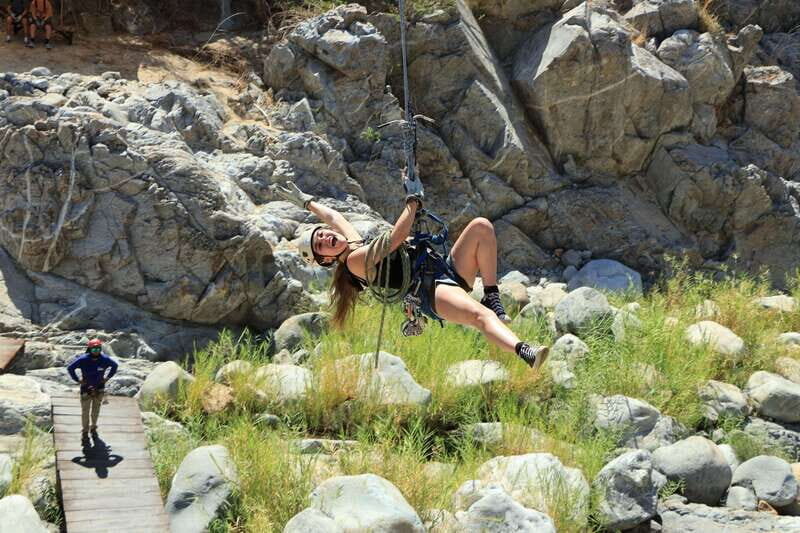
- PETZL safety setup with double safety lines for the zip portions
- 500m zip line at the end, built for big speed and big views
- Canyon obstacles beyond zip lining: commando bridge, hanging bridge, ladder, via ferrata climbing, Tarzan swing, and rappelling
- 20-minute off-road UTV ride through sand, rocks, dusty roads, and dry riverbeds
- Mexican lunch and drinks after the hard work: homemade quesadillas, salad bar, ice-cold beers, and water
- No cameras on the course (photos can be purchased afterward)
Why this Los Cabos canyon course feels like real adventure
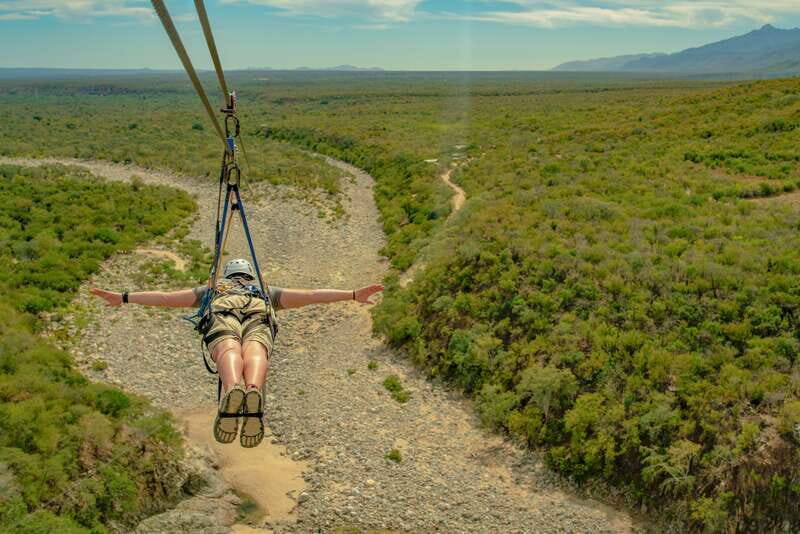
This tour isn’t just a line-to-line zipline parade. You move through a canyon system with bridges, climbs, and a rappel, so it feels closer to an obstacle course in the open air. The setting is Boca de la Sierra, in an area described as a UNESCO protected biosphere, which helps explain why the canyon feels so dramatic.
What makes it fun for me is the pacing. You get repeated bursts of adrenaline, then you switch tasks—balance work, climbing effort, and controlled descents—so you’re not just hanging and waiting. And the guide teams are clearly tuned to keep people calm and moving, whether you’re aiming for the easier path or pushing the challenge.
The other big reason I’d recommend it is the safety reputation baked into the activity. The gear list calls out PETZL equipment and double safety lines, and that matters because the canyon isn’t gentle. It’s suspended, it’s exposed, and you’re doing it with support, not just self-guided bravado.
You can also read our reviews of more tours and experiences in Los Cabos

Getting to Boca de la Sierra: timing and what to bring
Your day runs about 3.5 hours total, with around 3 hours of tour time plus transportation. Pickup is available from selected hotels, which is a relief because you don’t need to fight with directions or parking after you’re already thinking about heights. The tour also runs with English and Spanish guides, which makes it easier to understand the instructions quickly when nerves kick in.
Bring long pants (or long shorts if the operator accepts them) and closed-toe tennis shoes. This part is practical, not optional: you’ll be moving on uneven canyon terrain, and you don’t want loose footwear. Sunscreen and sunglasses are also on the list, and in Los Cabos sun, I treat those as non-negotiables.
There’s also a hard limit on equipment you can carry. Cameras aren’t permitted during the tour for safety reasons, and photos are offered for purchase after you finish. If you’re the type who relies on phone pictures to remember a trip, plan to rely on the photo package instead.
For eligibility, the tour lists a max weight of 265 lb / 120 kg and a minimum height of 4 ft / 1.2 m. There’s no minimum age stated, but the height requirement is what controls whether kids can actually participate. And if you’re planning to drive the UTV later, you must be 18+ with a valid driver’s license and you’ll pay the vehicle insurance fee at check-in.
Safety-first zip lining: PETZL, double lines, and the big 500m finish
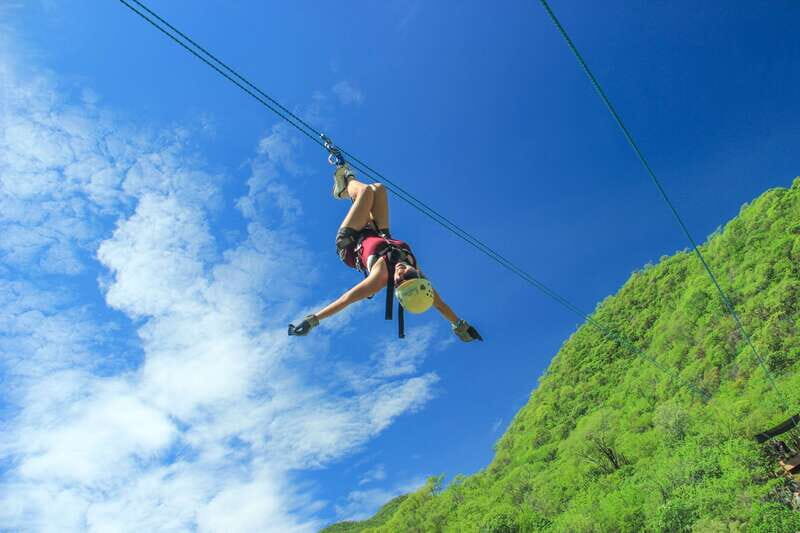
The heart of the experience is the canyon zipline run, and it’s built around strong safety practices. You’re fitted with PETZL safety equipment and go on double safety lines, which basically means you’re connected in more than one way while you’re moving between platforms. In practical terms, that lowers the fear factor when you’re suspended over the canyon.
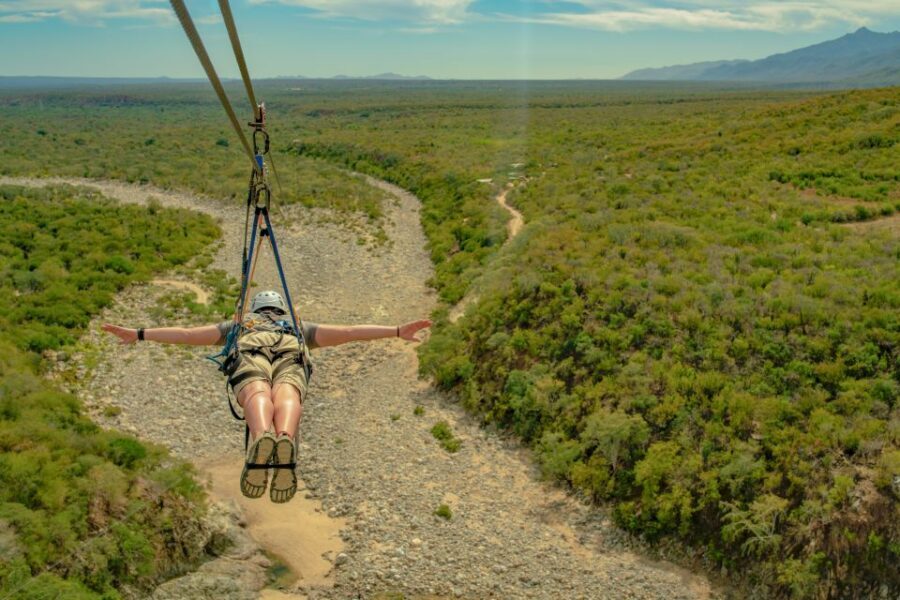
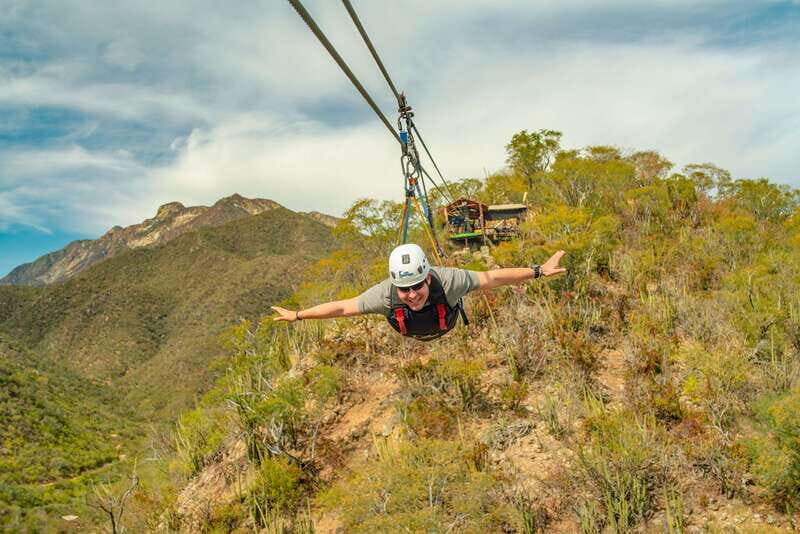
The final zip line is the headline: a 500 meter ride down to the base of camp. Even if you’ve zip-lined before, a 500m line is long enough that your brain shifts into pure motion and focus. It’s the kind of finish that makes the rest of the course feel like build-up.
The course also includes multiple team tracks. Some past participants referenced different teams and the idea of choosing between easier and harder options, with guides providing alternatives for more challenging activities. Translation: you may not have to do everything at full intensity, but you should still expect work.
Also, don’t ignore the clothing and mobility rules. The tour states that participants must be 100% fully mobile and lists clear disqualifiers like vertigo, certain back/neck issues, and heart or respiratory problems. If you have any doubt about your balance or mobility, check honestly before you book. This is a physical adventure, not a sit-and-smile attraction.
Every canyon stop: bridges, climbing, Tarzan swing, and rappelling
Once you arrive in the canyon, the adventure becomes a sequence of different challenges, not just one big zipline. You’ll cross and climb while moving through natural canyon features, then finish with a controlled descent and the long ride out.
Here’s the feel of the main elements, in the order you can expect:
Commando bridge and canyon stream crossings
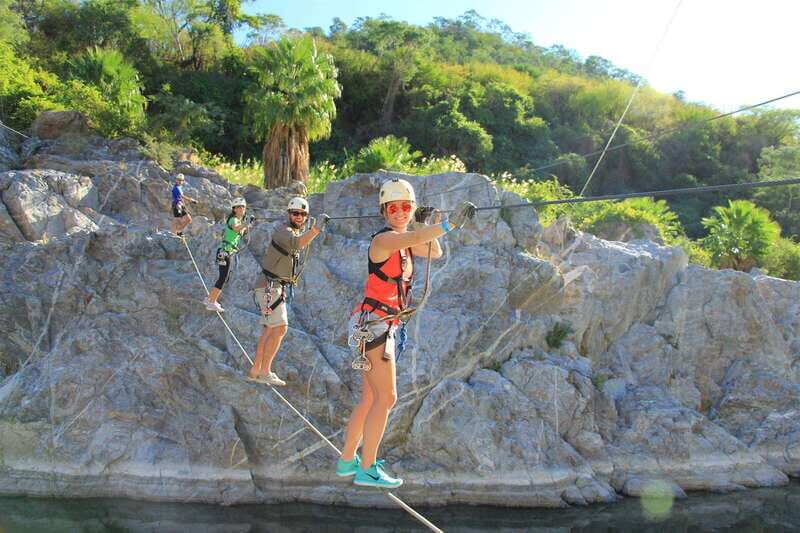
You’ll cross canyon streams on what’s described as a commando bridge. That usually means narrow and exposed, and it’s where balance matters more than speed. The upside: it breaks the day up with a grounded moment where you can reset your breathing.
Hanging bridge and crazy ladder balance work
Next are balance-heavy sections like the hanging bridge and crazy ladder. These are the parts where people discover whether their legs are ready for “wobbly but safe” work at height. If you tend to overthink, lean into the guide’s cues and take it one step at a time.
Via Ferrata: climbing up the canyon wall
You’ll test strength and grip on the via ferrata (a natural rock climbing wall). This isn’t described as technical climbing gear beyond the tour safety system, but you should still expect a real workout in your arms and legs. One review highlighted how a guide team helped build confidence for a nervous child, which tells me they’re used to coaching people through fear in a clear, practical way.
Tarzan swing for the pure fun factor
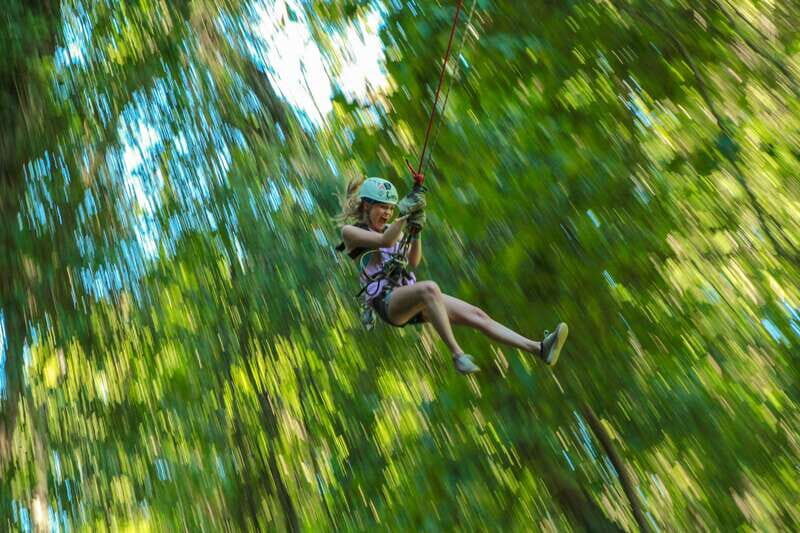
Then comes the Tarzan swing, which is basically the playful release valve of the course. It swaps careful balance for a bigger, looser sensation. If you’re doing this with family, this is often the part that makes everyone forget their earlier hesitation.
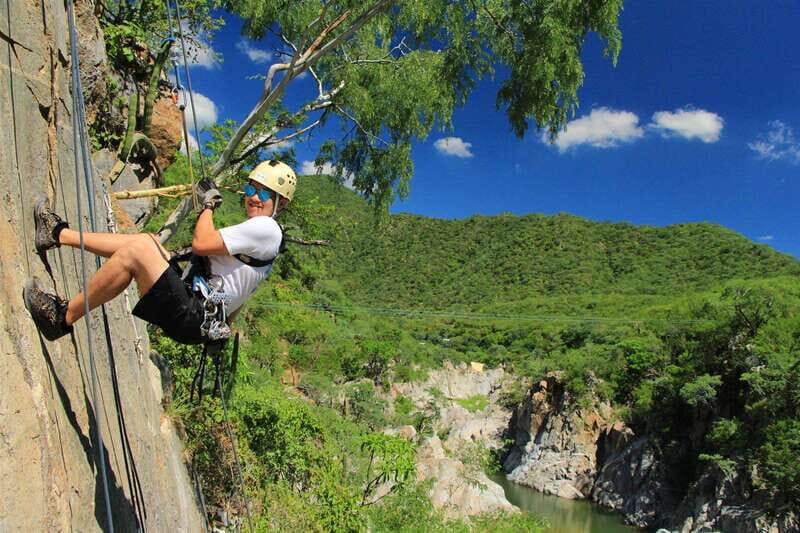
Rappelling to the canyon floor
The course ends its active climbing with rappelling. A rappel is where safety design really matters, because your brain knows you’re going down. The tour’s emphasis on professional safety equipment suggests they keep this controlled, and it’s a big reason the experience gets top marks for feeling secure.
The 500m zipline to the camp base
Finally, you fly the 500m zip line to the base. Then you get refreshments and time to rest and take in the scenery. This “cool down” matters more than people think. After getting your adrenaline kicked in multiple ways, you’ll appreciate a calm moment where you can actually feel your legs again.
Superman zip line to UTV: how the handoff works
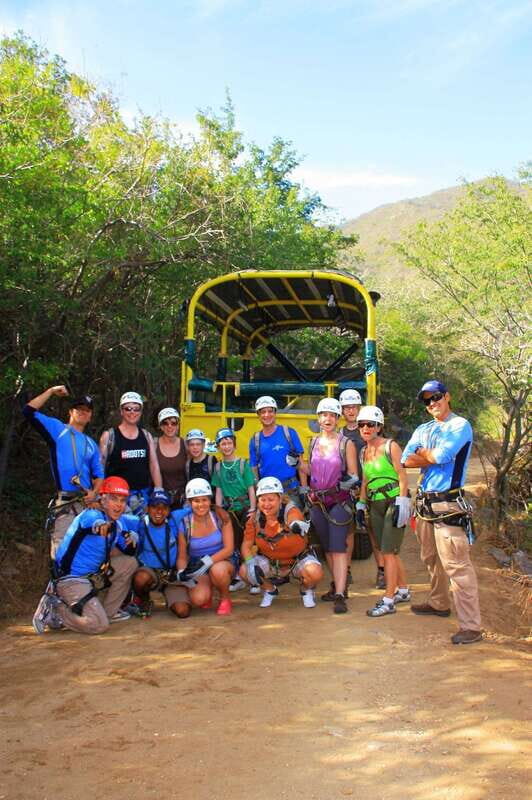
After the main zipline sequence, you hop into the UTV portion. The information you’re given mentions the Superman zip line as a notable moment before the switch to the vehicles. That matters because it frames the UTV as an ending act, not a separate adventure that starts earlier in the day.
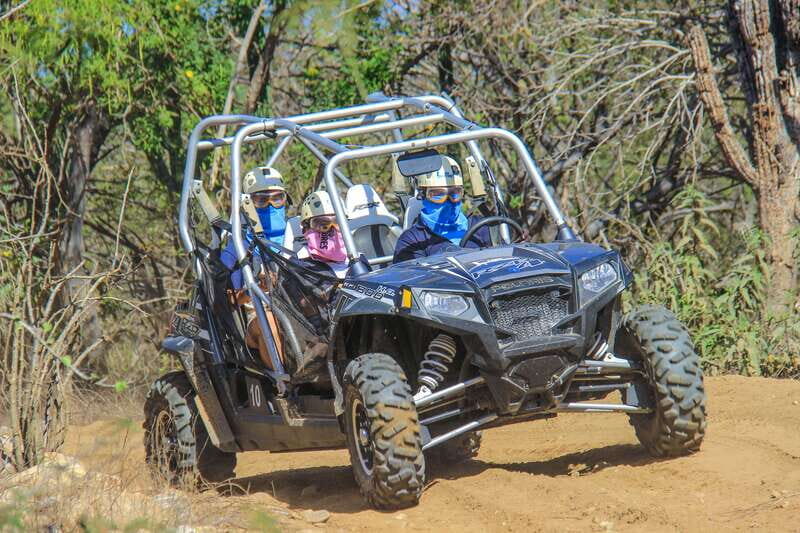
Your UTV ride is described as about 20 minutes in the desert. Expect sand, rocks, dusty roads, and dry riverbeds, which is a good match for Los Cabos terrain. It’s not a sit-on-a-sled safari. You’ll feel bumps and traction changes, and your arms will learn what “off-road” means fast.
One practical caution: the ride isn’t freeform chaos. You’ll be lead through a course by guides, so if you want maximum speed or total control like you’re driving a track, temper expectations. A couple of past participants said the UTV felt less impressive than the ziplining, which I take as a sign to focus on the full package for the canyon portion. The UTV is a fun add-on; the zipline course is the main event.
If you plan to drive, you’ll need a valid driver’s license, be over 18, and pay the listed $25 vehicle insurance fee at check-in. And if you’re traveling as a family, confirm exactly what’s included for your booking, because some people have reported paying extra for the UTV part.



Mexican lunch and drinks: fueling up without rushing
After you finish the canyon work, food and drinks are part of why this tour works as a complete half-day. You get homemade quesadillas and a salad bar, plus ice-cold beers and water. That’s a solid payoff when you’ve worked up sweat in full sun.
I also like that the meal is paired with a rest period. You arrive back to camp and get time to catch your breath before you drive away. One older mention of chilled hand towels and extra snacks showed up in the experience descriptions, and while you shouldn’t bet on every add-on, it supports the idea that they try to keep you comfortable after the exertion.
This also helps with families. Kids and teens can be energetic at the start, then cranky after the climb and rappel. A sit-down-ish meal with familiar flavors is a better ending than “you’re done, good luck.”
Price and logistics: where costs sneak in
The listed price is $139 per person, and the included items are a meaningful part of that value. Transportation from selected hotels, bottled water, safety equipment, experienced guides, and your meal (quesadillas and salad bar) plus beers and water are all part of the package. When you compare that to doing zip lining with add-ons, it’s not a bad deal.
But you should budget for check-in extras. The information provided lists a $25 park entrance fee per adult and $12.50 per child, and it also states a $25 sustainability entrance fee per person required at check-in. Those fees sound connected, but they aren’t explained as the same line item, so I recommend you ask what your total will be based on your age group.
Then there’s UTV vehicle insurance. The tour lists a $25 fee for vehicle insurance, which would matter if you’re driving the UTV. And finally, photos are not included. Cameras are banned during the tour, and photos can be purchased afterward, but some participants felt photo pricing was very high.
So here’s my practical take: this is good value if you show up expecting extras and you don’t count on bargain souvenir pictures. If you want a cheap photo, take your own pictures before you arrive and after you leave, not during the course.
Who should do it (and who should skip it)
This tour is designed for families and first-timers. No prior experience is needed, and the tour states it’s suitable for the whole family within the height and mobility requirements. One reason I trust that claim is that the guides appear trained to build confidence, including providing alternatives to more challenging activities when needed.
That said, it’s not for everyone. The tour explicitly lists people who should not participate: pregnant women, people with vertigo, neck or back injuries, heart and respiratory problems, and anyone using a wheelchair. There’s also a weight limit of 265 lb / 120 kg.
If you’re traveling with someone who freezes at heights, this can still be a good fit if they can handle climbing, balancing, and descending. But if the body reacts badly to exposure, vertigo, or uneven footing, the safest plan is to skip.
It’s also not described as suitable for cruise ship guests. If you’re arriving by cruise, you’ll want to confirm timing and transportation well in advance.
Finally, allergies matter. One detailed note flags angry wasps and says they don’t carry epipens. If you have a serious bee or insect allergy, bring your own EpiPen and consider whether an outdoor canyon with wild insects is worth the risk.
Should you book this Los Cabos zip lines and UTV tour?
If you want a true half-day adventure in Los Cabos—zip lining plus climbing plus rappelling, with a UTV finale—this is an easy yes. The safety emphasis (PETZL gear and double lines) is the backbone of the whole experience, and the canyon obstacles keep it from feeling repetitive. The 500m zip line also gives you a clear “main moment” to anchor your memory.
If you’re budget-sensitive or photo-dependent, you should think twice. The entrance/sustainability fees and the UTV insurance add cost at check-in, and cameras are prohibited so you’re leaning on the paid photo option. If you can accept that, you’ll probably love the day.
And if you or your group has balance, mobility, vertigo, back/neck, heart, or respiratory issues, skip. This is built for an active body, not a cautious sightseeing schedule.
If you’re the kind of traveler who likes practical adrenaline—controlled, guided, and built for real views—book it and go in with the right expectations.