REVIEW · LOS CABOS
Los Cabos: Whale Watching Safari & Free time at Lovers Beach
Book on GetYourGuide →Operated by Fortuna Los Cabos · Bookable on GetYourGuide
Humpbacks feel close on this outing. You get a small-boat whale safari with a flexible route that follows what the whales are doing right now, plus a chunk of time to slow down at Lovers Beach.
I especially like two things: the chance to spot humpbacks up close (including breaching and tail slaps), and the way the trip pairs wildlife time with real beach relaxation instead of rushing you back to the harbor. The short total duration also makes it easy to fit into a Cabo day.
One thing to think about: photos cost extra. You’ll have a photographer onboard, but the images aren’t included in the price, so decide ahead of time how you want to handle that.
In This Review
- Key things I’d circle before you go
- Getting to the water: La Terminal de Cabo and quick coastal momentum
- The panga whale safari: how you actually find whales
- What you can expect to see: humpbacks, calves, and more
- Cabo coastline stops before and after the whale zone
- Lovers Beach: why the “free time” matters
- Price and value: what $58 really buys you
- Included extras that make a real difference at sea
- Practical tips I’d use to enjoy this more
- Who this tour suits best (and who should skip it)
- Should you book this whale safari and Lovers Beach break?
- FAQ
- Where do I meet for the tour?
- How long is the whale watching and beach experience?
- Is whale viewing guaranteed?
- What language is the tour guide?
- What’s included in the price?
- Are photos included?
- Can I bring my own snacks or drinks?
- When can I see humpback whales on this route?
- What should I bring?
Key things I’d circle before you go
- Guaranteed sightings with a free second tour, so you’re not stuck with just what luck gives you
- Real-time route planning that targets active whale areas while you’re out on the water
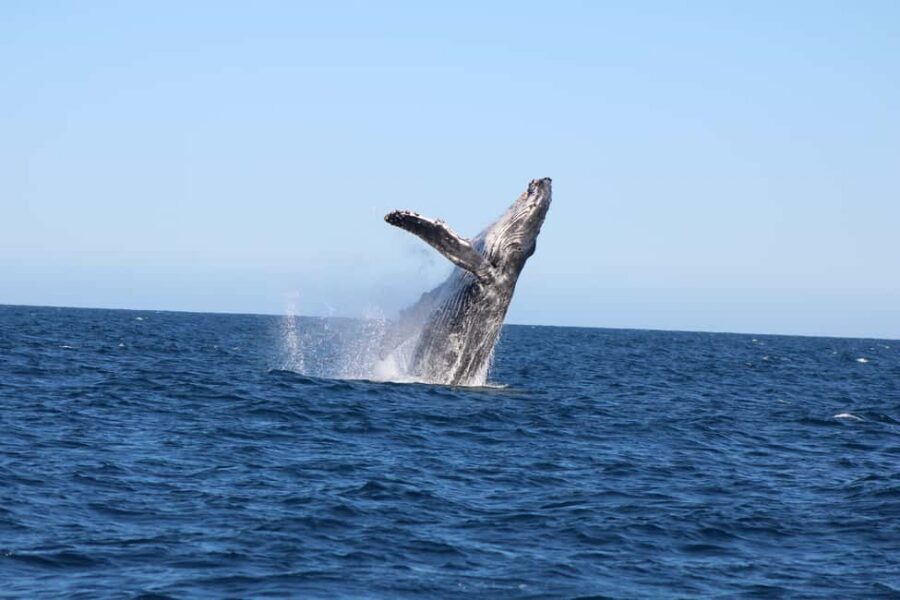
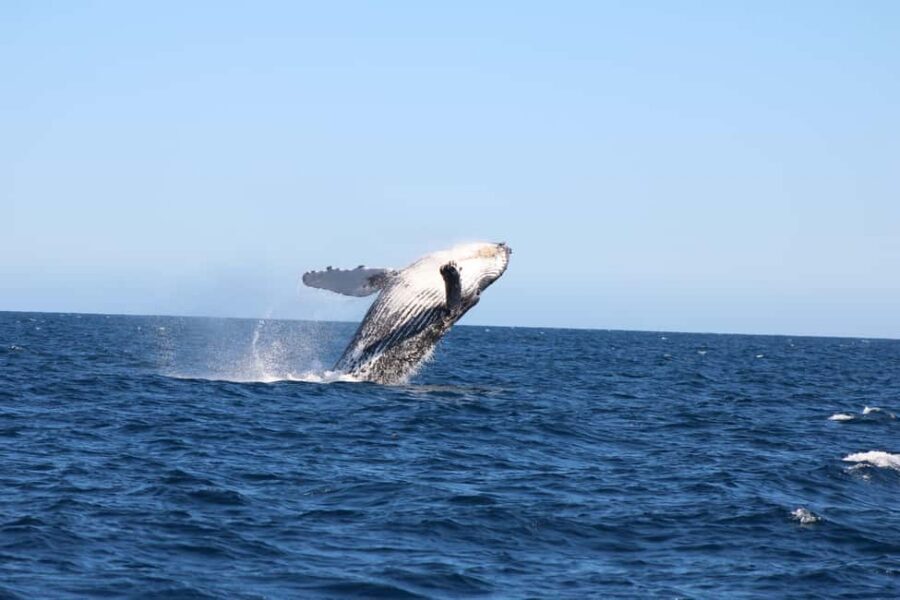
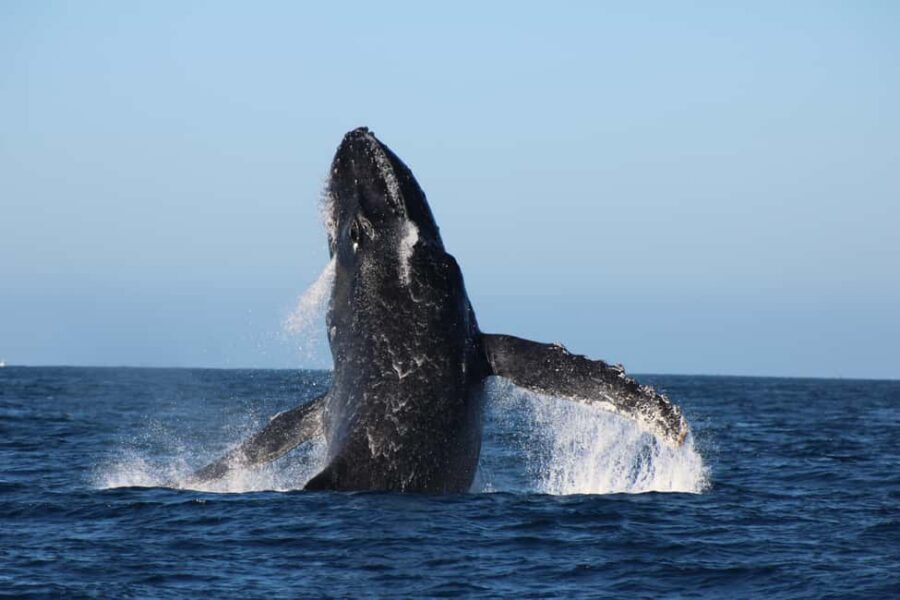
- Humpbacks in classic behavior mode: breaching, tail slaps, and calves with mothers
- Coastline highlights like the Arch of Cabo San Lucas with a photo stop
- Lovers Beach time (2 hours) that turns the safari into a half-day plan
- Onboard photo service via a professional photographer (purchase afterward, photos not included)
Getting to the water: La Terminal de Cabo and quick coastal momentum
Your day starts at La Terminal de Cabo, in the check-in area. From there, you’ll shift into water-mode fast, using a short water taxi ride to get you moving toward the day’s viewing zones.
What I like about the setup is the pacing. You’re not standing around for long stretches waiting for a whale to show up. The tour keeps you moving along Cabo’s coastline style of travel, where scenery and timing work together.
This is also where a few practical details matter. Wear sunscreen early. Bring your camera ready. And keep a jacket in your bag if you run hot then cool off—breezes can change quickly on the water.
You can also read our reviews of more tours and experiences in Los Cabos


The panga whale safari: how you actually find whales
This isn’t a big-bus, big-boat “someday we’ll look” operation. You’re riding on a small panga, which generally means you get a more direct view when wildlife appears.
The guide’s job is real-time spotting. As you cruise, you’ll watch for whale signals like spouts, then move into the area where whales are active. The tour is built around the idea that the route adapts to what you’re seeing, not a rigid script.
A pro tip from the vibe of the experience: the captain and guide communicate. One helpful moment is when the captain checks what you want to prioritize—whether you’d rather focus on whales, scenery, or a break for beach time.
What you can expect to see: humpbacks, calves, and more
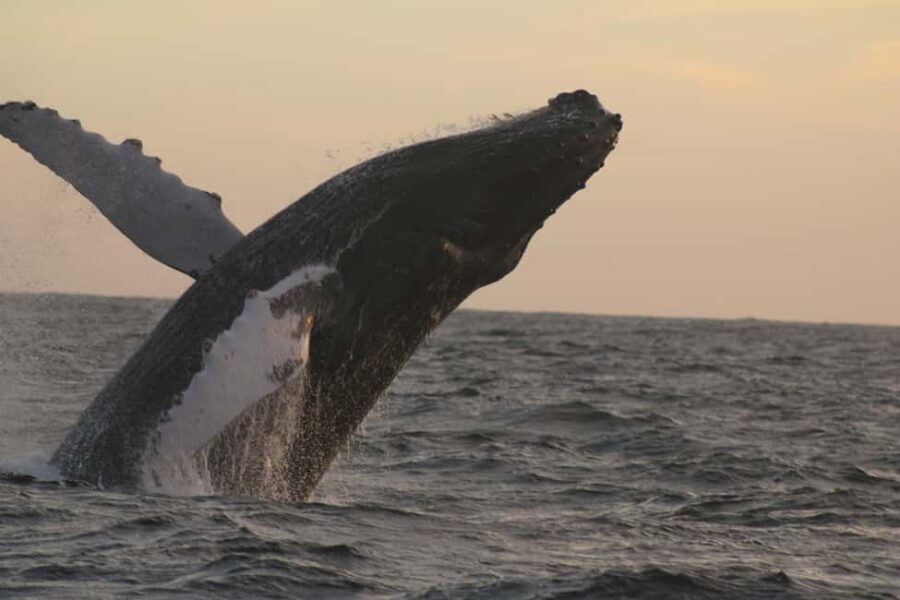
If the main target is humpback whales, this is exactly the behavior-focused kind of outing you hope for. You’ll be looking for humpbacks in winter breeding and nursing season—when they migrate to Baja California from December to April.
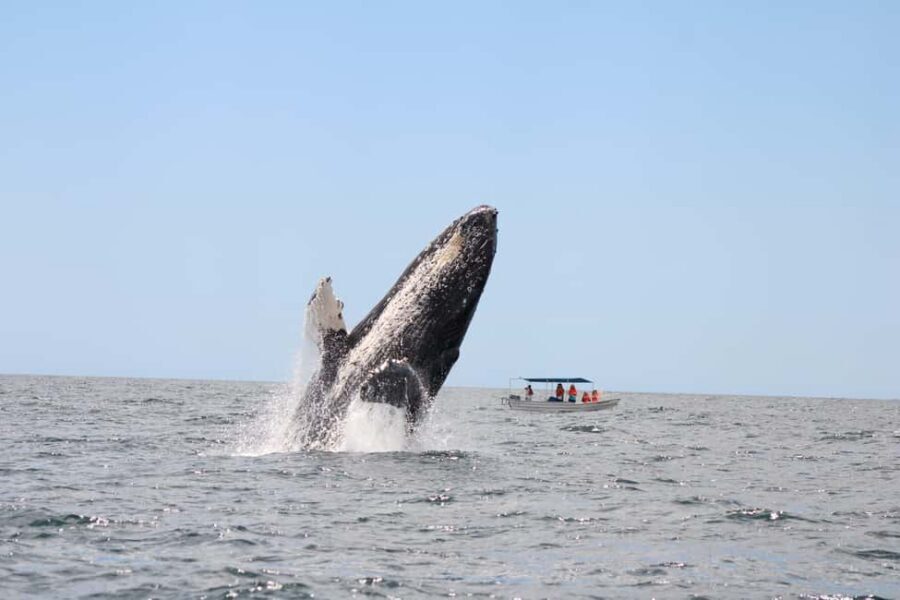
When whales are active, the “wow” moments are often the dramatic ones:
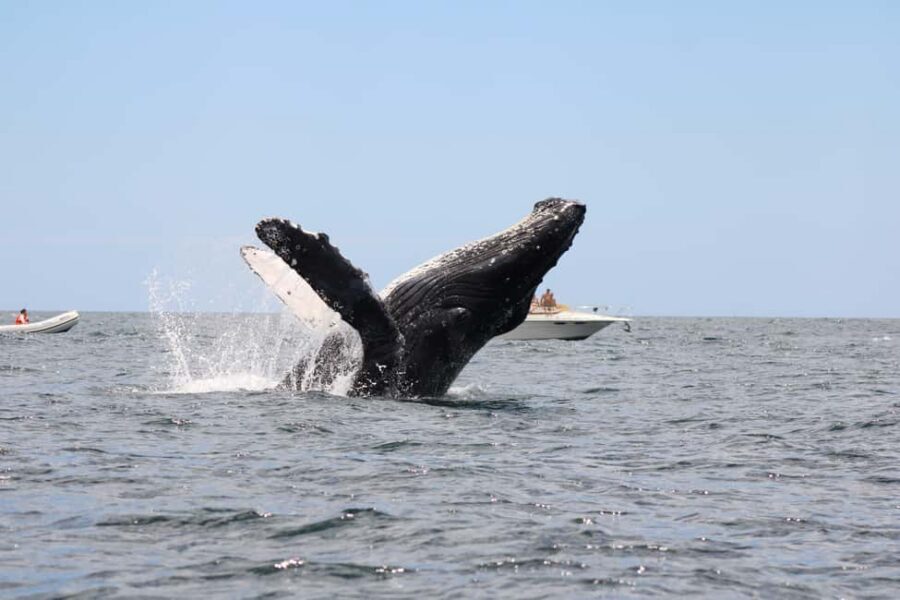
- Breaching (jumping high out of the water)
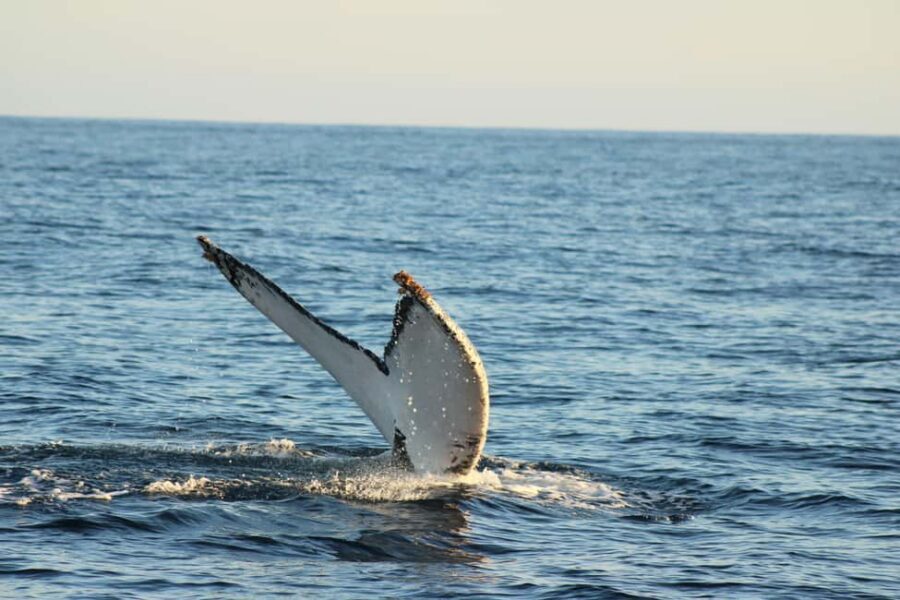
- Tail slaps (a loud, visible cue)
- Calves staying close to their mothers
That last part matters. It’s one thing to see a whale. It’s another to see how the family units behave together, which is why calves and nursing behavior are so highly anticipated in this season.
You may also encounter other marine life. The tour commonly includes sightings like dolphins, sea turtles, and seabirds. If the whales are calm, the surrounding wildlife can still keep your attention on the water.
Cabo coastline stops before and after the whale zone
Cabo’s scenery is part of the point here. Before the main whale watching window, you’ll make short guided stops that help you learn what you’re seeing while staying on schedule.
You’ll pass by or stop near places like:
- Balconcito Beach (a quick guided look)
- Pelican Rock (another short guided viewing stop)
- Lovers Beach, where you get guided time as part of the route
Then you’ll get the classic visual payoff: the Arch of Cabo San Lucas with a photo stop. Even if you’ve seen pictures online, seeing the Arch from the water plus that coastal context in person is different. This is the spot where your camera will get used, even if you usually don’t bother.
After whale watching, you head back toward Lovers Beach again for the longer break. The tour uses the coastline like a thread—wildlife first, then scenery, then downtime.
Lovers Beach: why the “free time” matters
The biggest reason I like this tour plan is the 2 hours of free time at Lovers Beach. Whale watching can be intense and fast-moving in your brain. You need a reset.
At Lovers Beach, you can pick what you want to do with your time. You can keep it simple—walk, people-watch, swim if conditions are right, or just sit with a snack and let the day settle.
Because the tour includes water time earlier, beach time becomes more than an add-on. It turns the experience into something you can actually feel in your body, not just your photos.
Also, you’re free to bring your own drinks and snacks/food, which helps you avoid overpaying for everything once you’re on-site.
You can also read our reviews of more whale watching tours in Los Cabos
Price and value: what $58 really buys you
At $58 per person for about 2 hours, the value comes down to three things: access, flexibility, and risk management.
1) You’re not just buying a seat. You’re paying for a guided search and commentary, plus a whale-focused route that follows real activity.
2) You’re getting a built-in safety net. The tour lists guaranteed sightings with a second tour for free. That’s meaningful because whale watching is never a sure thing. This offer reduces your chance of going home disappointed.
3) You get photo support on board. There’s a professional photographer onboard. Photos are not included, but you’ll be offered a large batch afterward. If you’re the type who wants a set of keepers without spending your whole time trying to shoot perfect angles yourself, this is a real convenience.
What’s not included matters too. Photos cost extra, so don’t assume your phone will be the only record. If you prefer traveling light, you’ll still enjoy the day either way—you just won’t get the photo package automatically.
Included extras that make a real difference at sea
This tour is also smart about the small stuff:
- Life jacket included
- Bottled water included
- Professional bilingual guide (English/Spanish)
- Port fee tax included
- Free taxi to the beach (a practical time-saver)
- Meeting at the Terminal of Cabo check-in area
One review tip that’s worth repeating in spirit: if you’re being moved between points by water taxi, take the short ride rather than trying to brute-force a longer walk. Walking time adds up in Cabo heat and sun, and you’ll want your energy for the whale and beach blocks.
Practical tips I’d use to enjoy this more
You’ll enjoy this tour most if you show up prepared. Here’s what I’d pack and plan around:
Bring:
- Sunglasses (glare can be intense)
- Sunscreen
- Camera (plus extra storage if you’re shooting video)
- A jacket (especially if the wind picks up)
- Cash (useful for purchases like photos)
Bring your own food/drinks too. It’s allowed, and that means you can control what you eat and spend.
Use your time wisely. The whale watching window is about 45 minutes. When you see spouts or movement, give your full attention immediately. The moment whales surface is often brief.
Know the wildlife rhythm. Whales don’t perform on a schedule. If they’re under or quiet, the guide’s job is to keep you in the right areas. That’s where the real-time routing pays off.
Who this tour suits best (and who should skip it)
This is a great fit if you want:
- a short, guided whale watching session without committing to a full day
- a realistic shot at humpbacks during December to April
- a day structure that ends with actual relaxation time at Lovers Beach
- someone else handling the search and spotting while you focus on seeing
You might skip it if:
- you hate paying extra for photos after the fact
- you prefer a longer beach-only day with no structured wildlife component
- you’re traveling with strict time limits and can’t spare a full 2-hour block
Should you book this whale safari and Lovers Beach break?
If you want the best mix of Cabo wildlife and beach time, I’d book it—especially for humpback season. The key reason is the combination of guaranteed sightings with a free second tour and a plan that doesn’t leave you stranded without something enjoyable to do. Even when wildlife isn’t fully on display, Lovers Beach gives you a real payoff.
Just go in with clear expectations: whales are wild, photos cost extra, and the comfort of the day depends on sunscreen, water, and paying attention when sightings happen. If that sounds like your kind of adventure, this is a strong value way to experience Los Cabos.
FAQ
Where do I meet for the tour?
You meet at La Terminal de Cabo in the check-in area.
How long is the whale watching and beach experience?
The duration is 2 hours.
Is whale viewing guaranteed?
Yes. The tour includes a guaranteed sighting, with a second tour for free.
What language is the tour guide?
The guide provides commentary in English and Spanish.
What’s included in the price?
It includes port fee tax, life jacket, bottled water, a bilingual guide, a professional photographer, and a free taxi to the beach. It also includes guaranteed sightings and the second tour for free.
Are photos included?
No. Photos are not included.
Can I bring my own snacks or drinks?
Yes. You are free to bring your own drinks and snacks/food.
When can I see humpback whales on this route?
Humpback whales migrate to Baja California from December to April to breed and nurse their young.
What should I bring?
Bring sunglasses, a camera, sunscreen, a jacket, and cash.