REVIEW · CABO SAN LUCAS
Cabo San Lucas: Cabo History Walk
Book on GetYourGuide →Operated by Dharma Expeditions · Bookable on GetYourGuide
Cabo’s past is walkable. This Cabo San Lucas History Walk is a focused mix of landmarks and local storytelling, paced for an easy 150 minutes.
I especially like the way it connects city life to Cabo’s natural setting, and the fact that you’re in a small group limited to 8 people.
Two highlights hit hard: the visit to the parish of Saint Luke and time at the main square. I also appreciated hearing stories tied to Ranchero Californio traditions and how that culture shaped daily life.
One consideration: this tour is not suitable for people with mobility impairments, since it involves walking through older streets and stops along the way.
In This Review
- Quick hits before you go
- Finding the Apple Store Plaza meet-up
- The 150-minute walking format that keeps history human
- Entering the past: the pre-walk history briefing
- Main streets and the parish of Saint Luke
- The main square: where community history shows up first
- Ranchero Californio traditions and the stories behind them
- Cabo’s geography: nature as a driver of local life
- Tequila tasting: history you can taste
- Museum stop: nature and history in one guided pass
- Price and value: is $35 worth it?
- Who should book this Cabo history walk
- Practical tips to make it feel effortless
- Should you book it?
- FAQ
- How long is the Cabo History Walk?
- What does the tour cost?
- What’s included in the price?
- Is the museum entrance included?
- Where is the meeting point?
- What language is the guide?
- How big is the group?
- What should I bring?
- Is the tour suitable for people with mobility impairments?
- What are the cancellation rules?
- Can I reserve without paying immediately?
Quick hits before you go
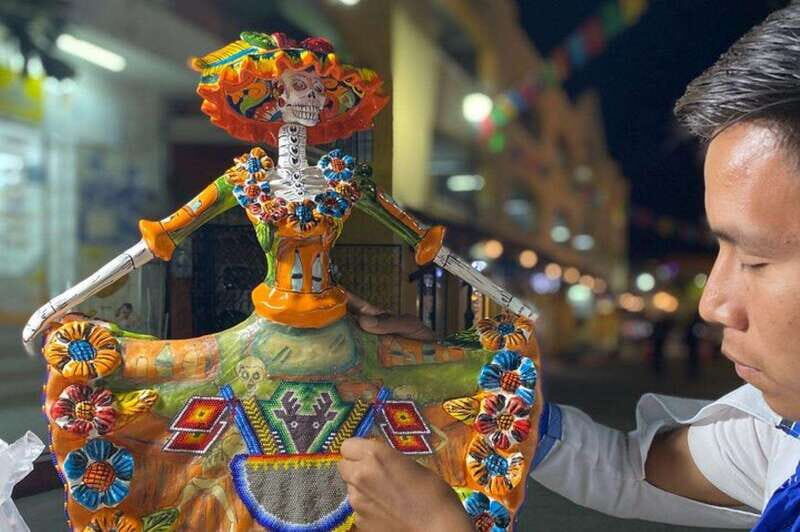
- Small group of up to 8 keeps the talk personal and questions easy
- Parish of Saint Luke + the main square are your anchor landmarks for understanding Cabo’s shift over time
- Ranchero Californio tradition stories give context beyond dates and names
- Tequila tasting included turns cultural history into something you can sample
- Museum visit at the end, with a small entrance fee paid separately ($2 per person)
Finding the Apple Store Plaza meet-up
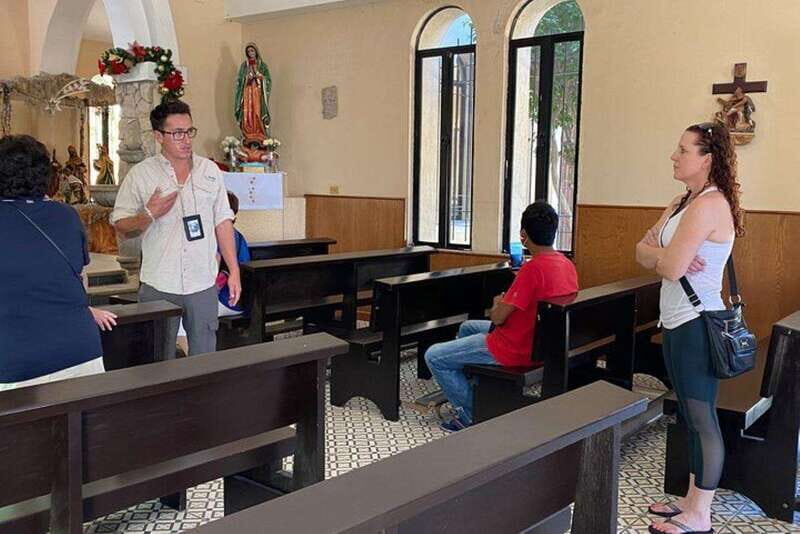
Your day starts in a very practical spot: your guide meets you in front of the Apple Store inside the plaza. It’s an easy landmark to use when you’re figuring out where you are in Cabo San Lucas.
From there, the tone is set fast. You get a brief orientation so you know what you’re looking at and why it matters. That matters on a walking tour—without that first framework, you tend to collect sights instead of understanding them.
You can also read our reviews of more walking tours in Cabo San Lucas


The 150-minute walking format that keeps history human
This experience runs about 150 minutes, and that time is long enough to cover real ground but short enough to stay comfortable. The format is simple: walk through older streets, stop at key places, then finish with a museum visit.
I like this pacing because you’re not stuck in one lecture room. You’re moving through the setting as you learn how people built community here—religion, trade, daily life, and the outdoors all show up in the stories.
The tour runs with live guidance in English and Spanish, so you’re not stuck sorting out meanings on your own. In a couple of bookings, the guide’s storytelling went a bit past the posted time, which is a good sign that the history is landing and keeping people engaged.
Entering the past: the pre-walk history briefing
Before you start walking, your certified guide gives you a clear history briefing. You’ll hear Cabo’s story from ancient native civilizations all the way to the modern-day, tourist-heavy version of the peninsula.
What I find useful here is that the guide doesn’t treat history as a straight line. Instead, you get a sense of how the land influenced settlement and how different cultural waves left their mark. When you have that in your head, the landmarks you see afterward make instant sense.
This is also where you’ll start picking up themes you’ll see later: religion and community spaces, outdoor geography shaping work and leisure, and traditions tied to ranch life in the region.
Main streets and the parish of Saint Luke
The walk takes you along the main old streets of Cabo San Lucas, which is where the experience feels most real. You’re not just seeing buildings—you’re seeing how the town’s layout creates “routes” for community life.
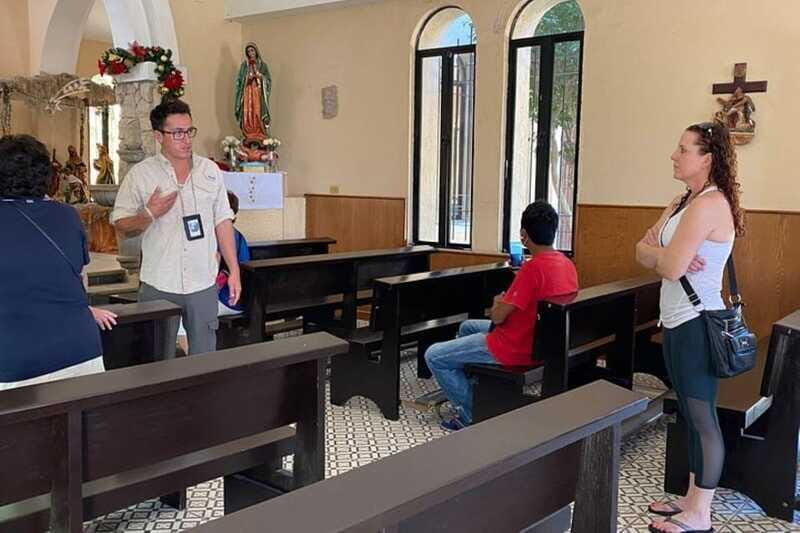
The big early landmark stop is the parish of Saint Luke. A church like this is more than architecture. It’s a signal of how people organized their lives—what they honored, how they gathered, and how faith and civic identity blended over time.
If you like travel that explains how places function, this stop is worth it. The guide’s job is to connect what you see (the parish) to why it became important in Cabo’s story.
The main square: where community history shows up first
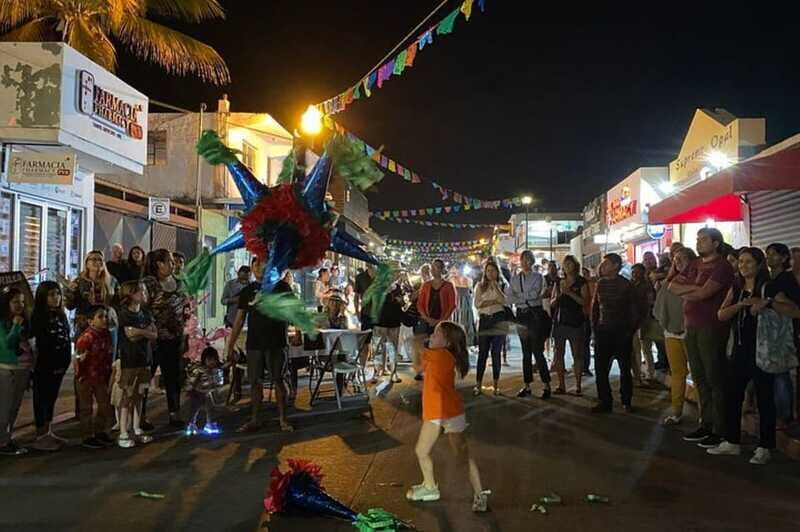
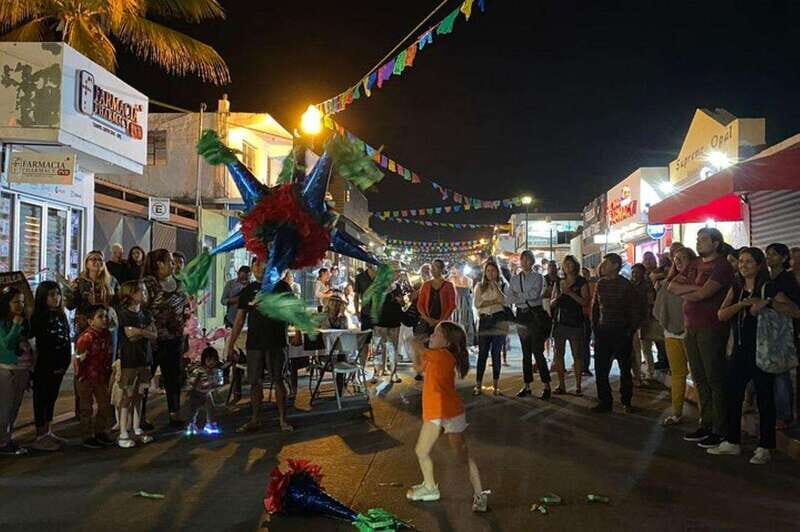
Next comes the main square, and it’s one of those stops that pays off quickly if you’re paying attention. The square is where you can imagine daily routines taking place: meeting up, settling into public life, and watching the town evolve around shared spaces.
What I like about this stop is how it anchors the walk. Once you understand what a main square represents—community center, social hub, and a natural stage for events—the rest of the tour clicks into place.
The guide also frames the square with the longer rhythm of Cabo. That makes the city feel less like a set of attractions and more like a lived-in place.
You can also read our reviews of more historical tours in Cabo San Lucas



Ranchero Californio traditions and the stories behind them
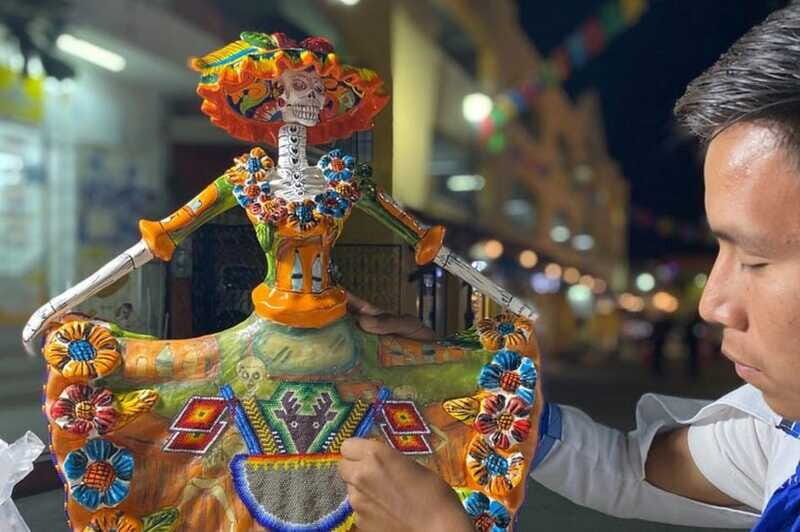
One of the tour’s standout features is that it doesn’t stick to politics or big-picture dates. Your guide shares stories about Ranchero Californio traditions, which helps explain the cultural backbone of the region.
This is where the tour feels different from a typical checklist tour. You hear about how tradition shows up in daily life—through land use, community values, and the kind of identity people build when they live close to the rhythms of ranching and the coast.
I also appreciate that the guide ties this cultural thread back to the physical setting. In Cabo, the outdoors isn’t an add-on—it shapes how life happens. The stories make that connection without turning it into a nature documentary.
Cabo’s geography: nature as a driver of local life
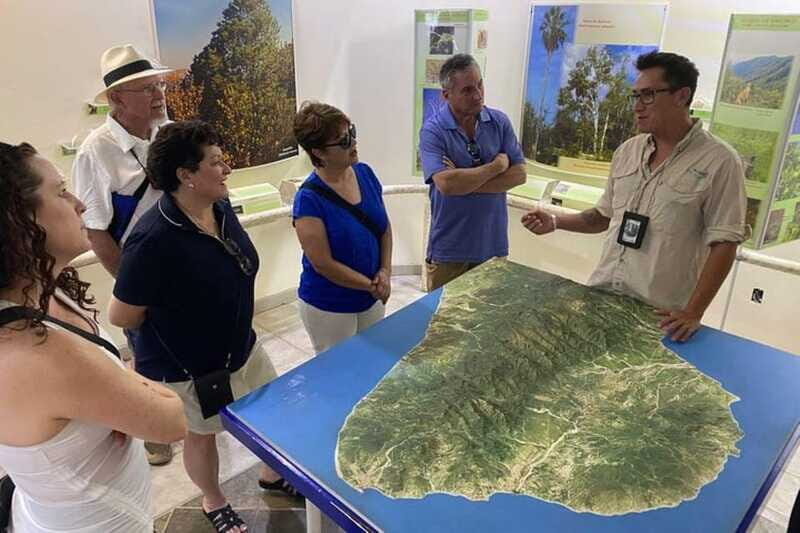
The guide also talks about how the peninsula’s geography influenced development and local spirit. That comes through in the kinds of stories you hear: adventures tied to the land and sea, and the way the environment nudged people toward certain lifestyles and activities.
This part matters because it changes how you view Cabo San Lucas. Instead of seeing nature as scenery, you start seeing it as a shaping force. It helps you understand why certain places became important, and why the area’s identity leans so hard into outdoor experiences.
Even if you’re not a hardcore adventurer, this context makes your future choices easier. You’ll understand what people mean when they talk about Cabo’s rhythm.
Tequila tasting: history you can taste
Yes, there’s a tequila tasting included. That’s not just a fun add-on—it fits the tour’s theme of culture and local identity. A tasting is a low-pressure way to connect what you hear (traditions, regional life) to something you can experience immediately.
I’d treat it like a quick cultural moment, not a full-on tequila seminar. You’ll sample, listen, and move on with your walk—so it stays part of the story instead of becoming the whole day.
If you’re choosing between history-only and history-plus-food/drink, this format gives you a more rounded experience without stretching the time.
Museum stop: nature and history in one guided pass
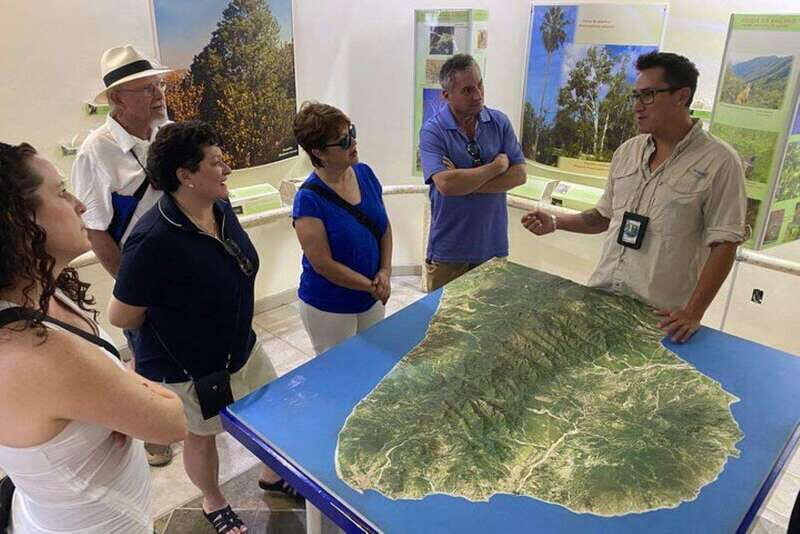
The journey culminates with a visit to a museum. Here, you’re guided through a passage that links nature and history, showing how the environment and Cabo’s evolution are tied together.
There’s a small extra cost for this: $2 USD per person museum entrance, not included in the tour price. It’s simple—expect to pay this at the museum when you arrive.
This final stop is a smart way to close the loop. After walking through landmarks and hearing stories on the street, you get a more structured look at how it all connects. If you enjoy learning that’s supported by exhibits and guided interpretation, you’ll likely appreciate how the tour wraps up.
Price and value: is $35 worth it?
At $35 per person, this walk is priced like a small-group, guided experience that doesn’t waste time. For the money, you’re getting:
- a certified guide for the full 150 minutes
- a tequila tasting included
- access to the guided landmark and museum components, with only the museum entrance fee added
Then there’s the practical math. With the museum entrance at $2 per person, your total is typically around $37 USD, assuming you do the museum stop as part of the tour. For about two and a half hours of guiding plus a tasting, that’s solid value in a place where many activities cost more for less context.
The small group size (8 max) is a big part of the value too. You’re less likely to get lost in the crowd, and questions tend to land faster.
Who should book this Cabo history walk
This one suits you best if you want history you can picture. You like learning on foot, want context for landmarks like the parish of Saint Luke and the main square, and enjoy cultural stories tied to ranch life and the region’s traditions.
It’s also a good fit if you’re pairing a history focus with a tasting. The tequila part adds a sensory layer without turning the experience into a party.
On the other hand, if mobility limits make walking hard, skip this one. It’s clearly not designed for people with mobility impairments.
Practical tips to make it feel effortless
Bring comfortable clothes. You’ll be moving, and being comfortable keeps you present for the storytelling.
If you’re the kind of person who likes to take photos, do it naturally, not obsessively. The best photos here usually come when you pause at a stop the guide is actively explaining, so you’re capturing the why as much as the what.
Also, keep an eye on time. At least some groups have gone a bit past the posted duration because the guide’s explanations kept everyone interested. That’s usually a good problem to have.
Should you book it?
I’d book this Cabo San Lucas History Walk if you want more than photos and you enjoy guided storytelling tied to real places—especially the parish of Saint Luke, the main square, and the cultural thread of Ranchero Californio traditions.
The price makes sense for what you get, and the small group size helps the guide’s history feel personal instead of generic. Add the tequila tasting, finish with the museum, and you leave with a sharper sense of what shaped Cabo San Lucas and why it looks the way it does today.
If you need a fully accessible format, choose something else. Otherwise, this is a great way to start your Cabo trip with context, not just sights.
FAQ
How long is the Cabo History Walk?
The tour lasts about 150 minutes.
What does the tour cost?
It costs $35 per person.
What’s included in the price?
A certified tour guide and a tequila tasting are included.
Is the museum entrance included?
No. Museum entrance costs $2 USD per person and is not included.
Where is the meeting point?
Your guide meets you in front of the Apple Store inside the plaza.
What language is the guide?
The live tour guide speaks Spanish and English.
How big is the group?
It’s a small group limited to 8 participants.
What should I bring?
Wear comfortable clothes.
Is the tour suitable for people with mobility impairments?
No, it is not suitable for people with mobility impairments.
What are the cancellation rules?
You can cancel up to 24 hours in advance for a full refund.
Can I reserve without paying immediately?
Yes. You can reserve now and pay later to keep plans flexible.