REVIEW · CABO SAN LUCAS
Azteca Tacos Cooking Class
Book on Viator →Operated by Dharma Expeditions · Bookable on Viator
Nopal tacos in a working Baja ranch. This Azteca Tacos cooking class takes you off the main Cabo strips to a humble rancho where nopal (the ancestral cactus) is grown, harvested, and turned into a meal. I love the mix of hands-on cooking—from tortillas to salsa—and the payoff of eating what you make at the family table.
You’ll go with a small group (max 6) and guides Danny and Jordan help connect the dots between farm work, food, and flavor. One consideration: this is a true ranch experience, so you should expect time outdoors and plan around good weather, since the activity can be adjusted or refunded if conditions are poor.
In This Review
- Key Things I’d Bet On
- Why This Cabo Ranch Taco Class Feels Different
- Getting There: 3:00 pm Timing, Pickup, and a Max-6 Group
- The Nopal Lesson: How a Cactus Becomes Dinner
- Handmade Tortillas: Corn Flour to Your Own Dough
- Salsa in a Molcajete: The Flavor You Can Control
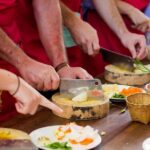
- Cooking the Nopales Tacos and Building Your Plate
- Dinner at the Rancho Family Table
- Price and Value: What $135 Really Buys You
- Who Should Book This (and Who Might Skip It)
- Practical Tips to Make the Most of Your Rancho Day
- Should You Book Azteca Tacos?
- FAQ
- What is the meeting point for the Azteca Tacos Cooking Class?
- What time does the experience start, and how long does it last?
- Do I get pickup from my resort?
- What’s included in the price?
- What is not included?
- How big is the group?
- What language is the class offered in?
- What cancellation rules should I know?
Key Things I’d Bet On
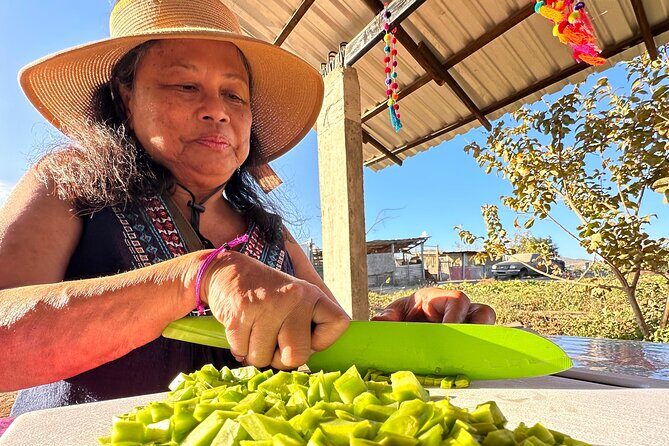
- A working Baja rancho focus on agriculture, especially nopal, not a staged demo
- Small group size (max 6) for more hands-on time and better attention
- Molcajete salsa and tortilla-making by hand using corn flour
- Real family table dinner, where you share the meal you cooked
- English-speaking guides, with Danny and Jordan highlighted for their know-how
Why This Cabo Ranch Taco Class Feels Different
Cabo San Lucas has plenty of easy, tourist-friendly food stops. This isn’t one of those. Azteca Tacos is built around a Baja rancho—one where the main economy is agriculture and where nopal is part of everyday life. That single choice changes the whole feel of the experience: you’re learning food through the work that makes it possible.
The biggest draw for me is the way the lesson and the meal match. You’re not just watching someone else cook. You’re learning about nopal—its properties, how it’s produced, and why it matters economically—then using that knowledge to make nopales tacos. And because you end by sharing dinner with the native rancho family, the food doesn’t feel like a performance. It feels like a real meal in a real place.
The second thing I like is the hands-on cooking. You’ll make tortillas from corn flour by hand, and you’ll crush ingredients for salsa the traditional way using a molcajete. Those aren’t “extra” activities. They’re the core skills that make tacos taste like tacos.
You can also read our reviews of more cooking classes in Cabo San Lucas

Getting There: 3:00 pm Timing, Pickup, and a Max-6 Group
The class starts at 3:00 pm and runs about 4 hours 30 minutes. You’ll meet at McDonald’s on Valentín Gómez Farias Boulevard in El Medano Ejidal, Cabo San Lucas. From there, the plan is simple: you go out together, cook, eat, and return back to the meeting point.
Pickup is offered, and it’s handled case-by-case depending on where you’re staying. If your resort or location doesn’t show up automatically, you can message the provider—pickup is only arranged within Cabo San Lucas. If you’re driving yourself, you’ll also want to message for directions on where and how to connect with the group.
This is offered in English, and the group is capped at 6 travelers. That’s a big deal for a cooking class. With smaller groups, you spend more time doing the steps (tortillas, salsa, assembling tacos) instead of standing around waiting your turn.
Transport is covered: you’ll ride in an air-conditioned vehicle, and bottled water is included. There’s no mention of a locker or gear storage, so treat this like you might get a little messy: wear clothes you’re comfortable with.
The Nopal Lesson: How a Cactus Becomes Dinner
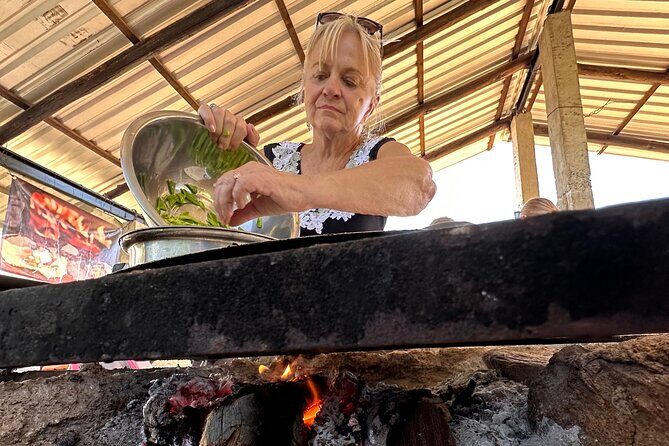
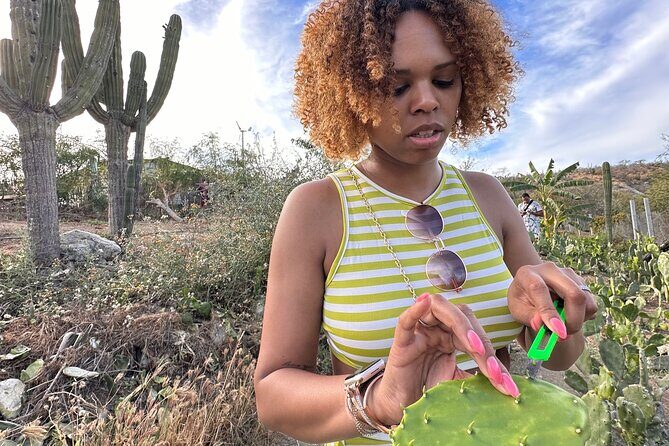
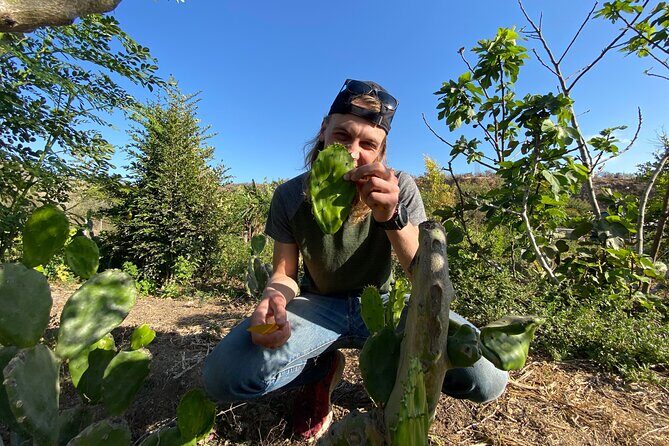
Your first major “you’re really in Baja” moment is the agriculture side of the story. This class brings you to a humble rancho where nopal is harvested as part of daily work. You’ll learn about its properties and production process, plus how it supports the rancho’s economy.
What’s valuable here is not just the food trivia. It’s the connection between plant, labor, and cost. When you understand what goes into the ingredient, the dish stops being anonymous. You start seeing nopal as more than a taco filling—it’s a cultivated resource with a place in local life.
From a practical standpoint, this also sets you up for the cooking portion. By the time you’re assembling nopales tacos, you’ll understand why nopal is treated differently than other vegetables. It’s a native crop, harvested and handled in the rancho system, and that context shows up in the flavors and the final meal.
And based on the strong feedback, the guide team—Danny and Jordan—does a good job translating that connection into clear, useful explanations, not a lecture you’d forget by dessert.
Handmade Tortillas: Corn Flour to Your Own Dough
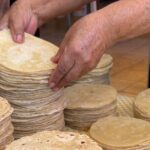
One of the clearest “you’re doing this” parts of the class is the tortilla making. You’ll make your own tortillas by hand using a process with corn flour.
Even if you’ve eaten tortillas your whole life, making them yourself usually changes how you judge a taco. You feel the dough texture, you learn how much shaping matters, and you understand why “tortillas” aren’t all the same. The hands-on method also helps you notice the small differences between what you’re doing and what you get at a factory.
Why this step is worth the time: tortillas are the foundation of nopales tacos. If the tortilla is good, the whole plate tastes more alive. If it’s off, it can drag down the flavor no matter how great the filling is.
Also, tortilla-making fits the theme of the class: it ties ingredients and technique back to the ranch setting instead of making the food feel like it came from a box. This is the moment where you stop being a spectator.
Salsa in a Molcajete: The Flavor You Can Control
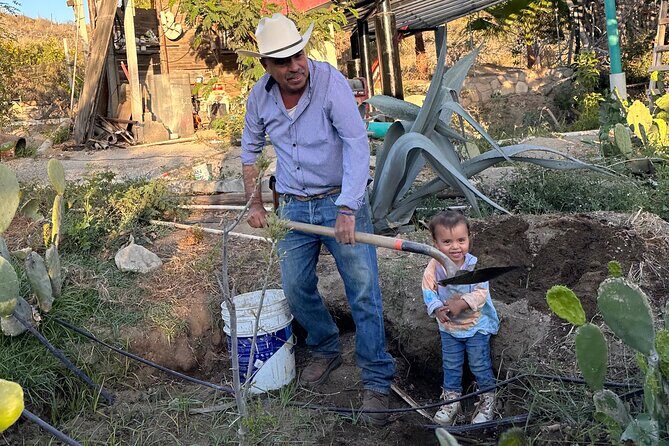
Then comes salsa—the part that often decides if tacos taste like a simple meal or like something you’ll want to repeat at home.
You’ll make your own salsa using the traditional Mexican grinder, the molcajete. That’s not just a cultural detail; it changes texture. Instead of uniform chopped pieces, the molcajete method typically gives you a mix of crushed and blended elements, with more irregular bite. That matters with tacos because you’re balancing tang, onion, herb, and heat in every forkful.
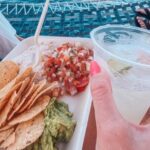
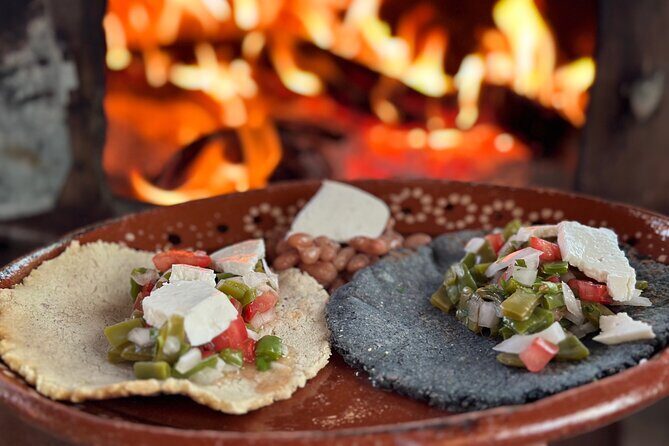
In the sample menu, the nopales tacos include tomato, cilantro, onion, goat cheese, beans, and salsa. Once you’ve made the salsa yourself, you’re adjusting that balance right from the start. You can’t easily replicate that effect with bottled salsa.
And this step is also a nice “break” in the sequence. After learning about a cactus crop and working with dough, salsa-making brings you right back to flavor: smell the ingredients, taste as you go, and build something that feels personal.
You can also read our reviews of more tours and experiences in Cabo San Lucas



Cooking the Nopales Tacos and Building Your Plate
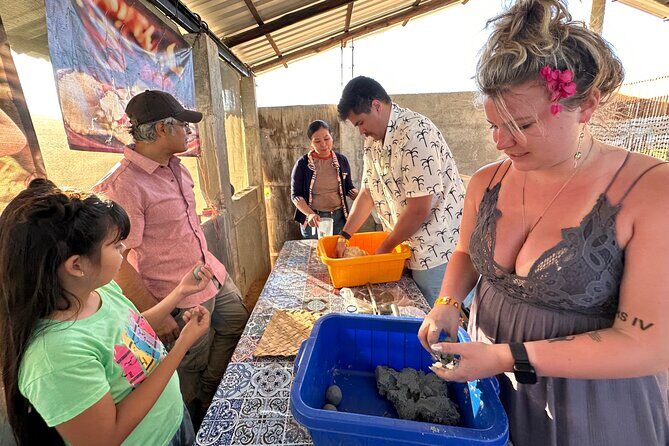
The class centers on nopales tacos as a main dish. Your finished plate is the result of a full loop: nopal background, tortillas you made by hand, salsa you prepared with the molcajete, then assembly with the listed toppings.
Here’s what the sample menu includes for the main tacos:
- nopales tacos
- tomato, cilantro, onion
- goat cheese
- beans and salsa
This kind of lineup is a smart way to introduce nopal to people who might otherwise think of it as a novelty ingredient. Goat cheese and beans help round out the flavor so the nopal feels integrated, not “weird.”
One note I’d plan for: cooking isn’t described as a quick, passive tasting. This is a cooking class where you end up eating a meal you cooked and share it afterward. So bring patience. Your goal here isn’t to rush through dinner like a normal restaurant stop—it’s to participate.
Dinner at the Rancho Family Table
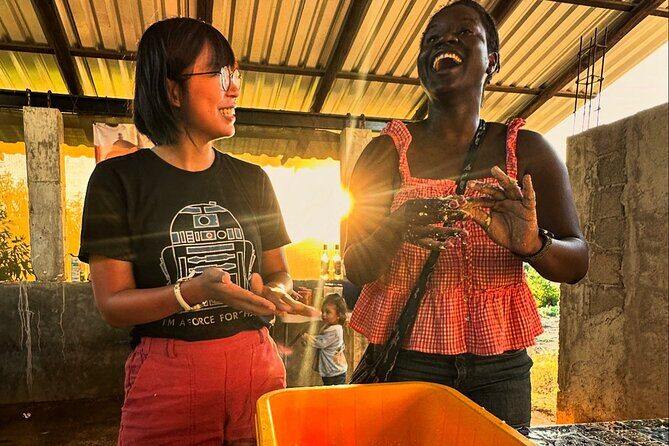
The final payoff is what many cooking experiences skip: you eat together with the native rancho family. You’ll share the table after cooking, and you’ll do it in a Baja ranch setting, not a separate event room.
That family-table format is where the class becomes more than food. You’ll get a sense of how agriculture, daily routine, and meals connect. And according to the positive feedback, the family makes it especially fun, including time with children in the household.
Also, the guides Danny and Jordan come up repeatedly in the feedback for being warm and knowledgeable, which matters in a setting like this. A good guide keeps the experience grounded and respectful while still making it feel easy to participate.
Dinner is included, along with bottled water. Gratuity is not included, so if you want to tip the guides or staff, plan on it.
Price and Value: What $135 Really Buys You
At $135 per person, this isn’t a bargain street-food stop. But it also isn’t overpriced for what you’re doing. You’re paying for:
- a 4.5-hour small-group ranch experience (max 6)
- air-conditioned transport
- bottled water
- dinner included
- guided instruction in English
- hands-on cooking: tortillas, salsa (molcajete), and assembling nopales tacos
Here’s the key value angle: you’re not just eating a meal. You’re learning multiple core techniques—tortilla-making and traditional salsa prep—then using them to make the main dish. For many people, that’s more satisfying than a single guided taco tasting where you don’t get to create anything.
The location also adds value. You’re leaving the typical tourist zones and going to a working rancho setting with a real agriculture focus. That shift from “restaurant experience” to “food knowledge + meal” is what makes the cost feel reasonable.
If you’re the type who likes to take home actual skills, this price starts to look like a fair trade.
Who Should Book This (and Who Might Skip It)
This class is a great fit if:
- you want a Cabo San Lucas activity that isn’t another beach-and-market loop
- you like hands-on cooking and don’t mind getting involved
- you’re curious about nopal and want the farm context, not just the final taco
- you’d enjoy a small-group setting with more interaction
It may be less ideal if:
- you want a purely indoor, low-wait experience (this requires good weather)
- you strongly dislike cactus-based ingredients
- you’re looking for a quick snack stop rather than a full 4.5-hour ranch dinner session
Also, since the group is limited to 6, you’ll likely enjoy the pacing. Just remember this is not the kind of activity that runs like a giant bus tour.
Practical Tips to Make the Most of Your Rancho Day
I’d treat this like a small farm visit plus cooking class, not like a formal tour bus outing.
- Wear comfortable shoes you don’t mind walking in. Ranch settings can mean uneven ground.
- Dress for warmth and sun. Even with a vehicle ride, you’ll likely spend time outside during the farm learning and cooking.
- If you’re driving yourself, message for the exact meeting guidance so you don’t waste the first part of the afternoon looking for the group.
- Bring patience. Tortillas and salsa take time, and that’s the point.
- Come hungry. You’ll cook and then eat dinner, and it’s a real meal, not a sample plate.
And if you care about language comfort, you’re covered: it’s offered in English, and the guide team (including Danny and Jordan) is known for clear, friendly instruction.
Should You Book Azteca Tacos?
If you want a genuine, hands-on cooking experience in Cabo San Lucas that connects food to where it comes from, I’d book this. The combination of nopal farming context, handmade tortillas, molcajete salsa, and a dinner shared with the rancho family makes it feel like a full experience rather than a single tasting.
Book it now if:
- you like cooking classes where you do real steps
- you want something farther from the usual tourist food circuit
- you’re curious about nopal and traditional Mexican technique
Skip it if:
- you need a guaranteed indoor plan
- you’re not interested in cooking (or you want a very quick stop)
- weather sensitivity would be a big issue for your trip
In short: this is one of those Cabo activities where the value comes from participation. If you show up ready to cook, you’ll leave with both food memories and skills.
FAQ
What is the meeting point for the Azteca Tacos Cooking Class?
You’ll start at McDonald’s on Valentín Gómez Farias, Blvd. Lázaro Cárdenas, El Medano Ejidal, 23479 Cabo San Lucas, B.C.S., Mexico.
What time does the experience start, and how long does it last?
It starts at 3:00 pm and lasts about 4 hours 30 minutes.
Do I get pickup from my resort?
Pickup is offered. If your location isn’t shown, you can message for pickup arrangements within Cabo San Lucas. If you’re driving yourself, message for instructions on how to meet the group.
What’s included in the price?
The price includes an air-conditioned vehicle, bottled water, and dinner.
What is not included?
Gratuity is not included.
How big is the group?
The experience has a maximum of 6 travelers.
What language is the class offered in?
It’s offered in English.
What cancellation rules should I know?
You can cancel for a full refund up to 24 hours before the experience’s start time. The experience also requires good weather; if it’s canceled due to poor weather, you’ll be offered a different date or a full refund.